
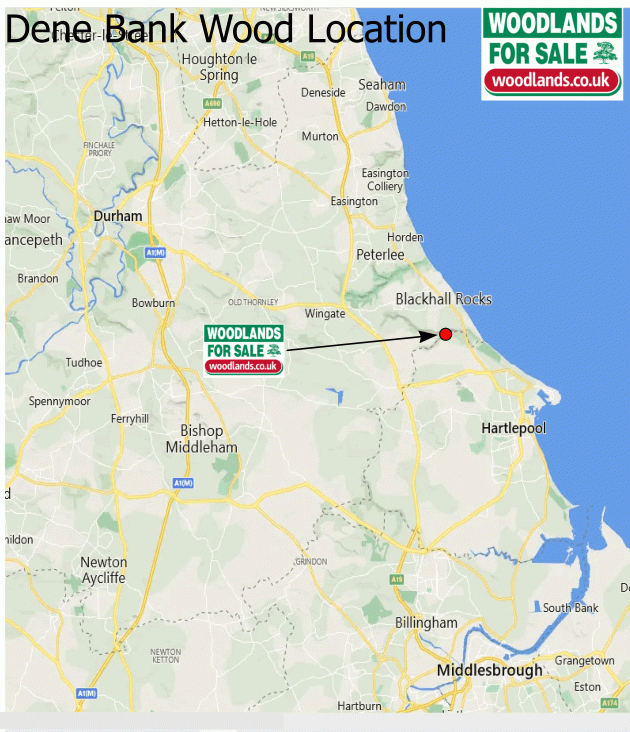
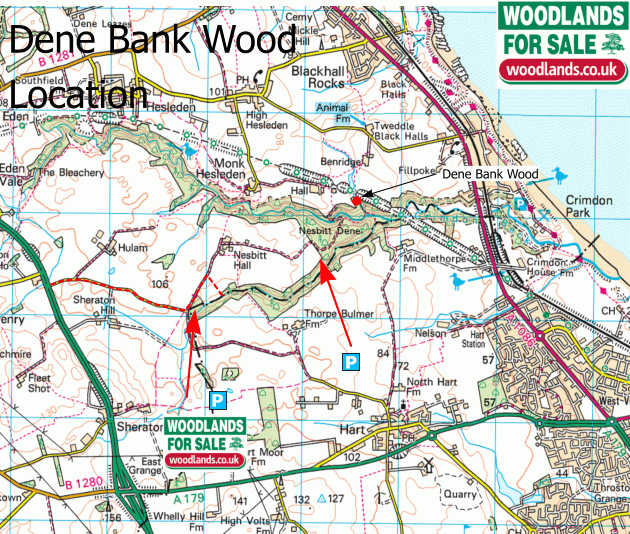
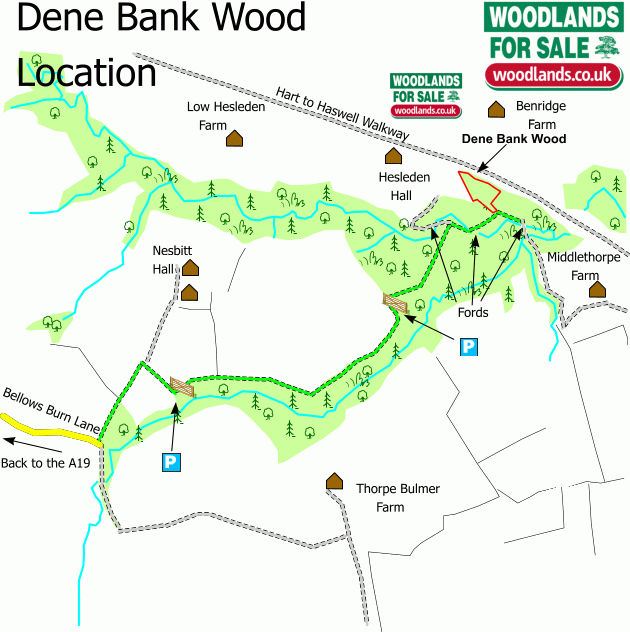
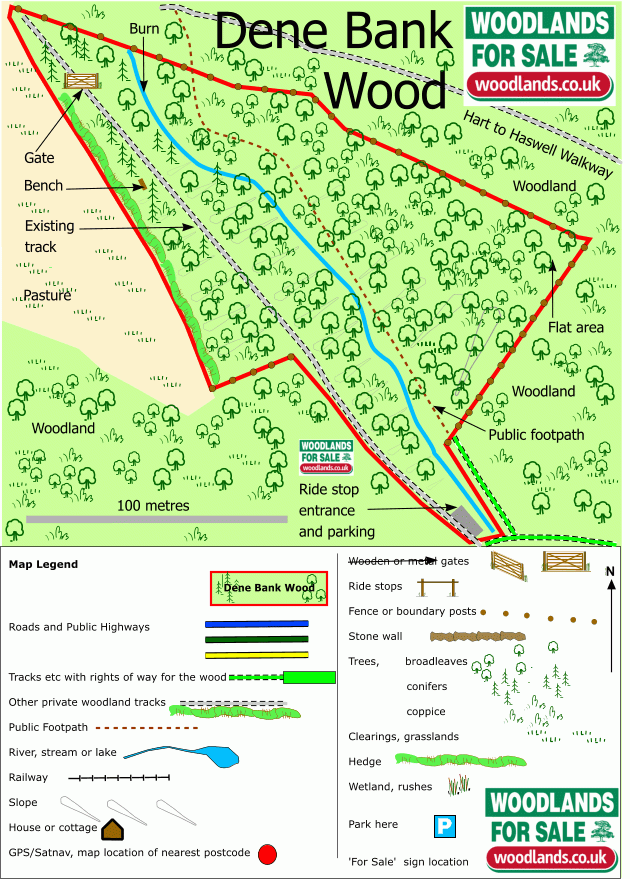

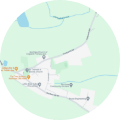
 Map
Map Area stats
Woodland for sale
Key information
Features and description
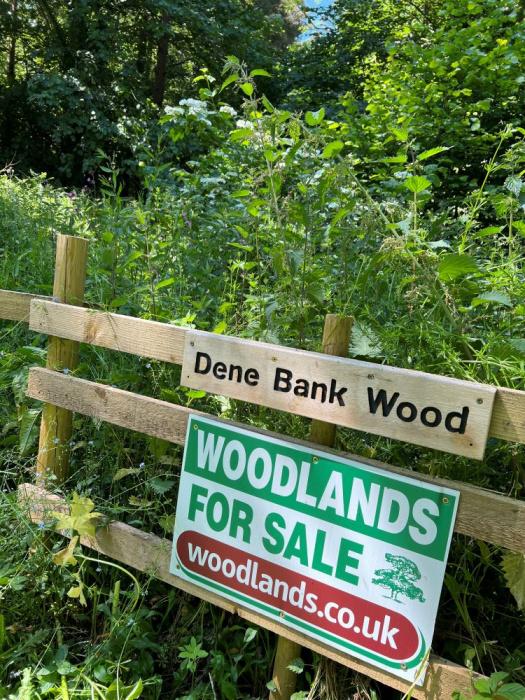
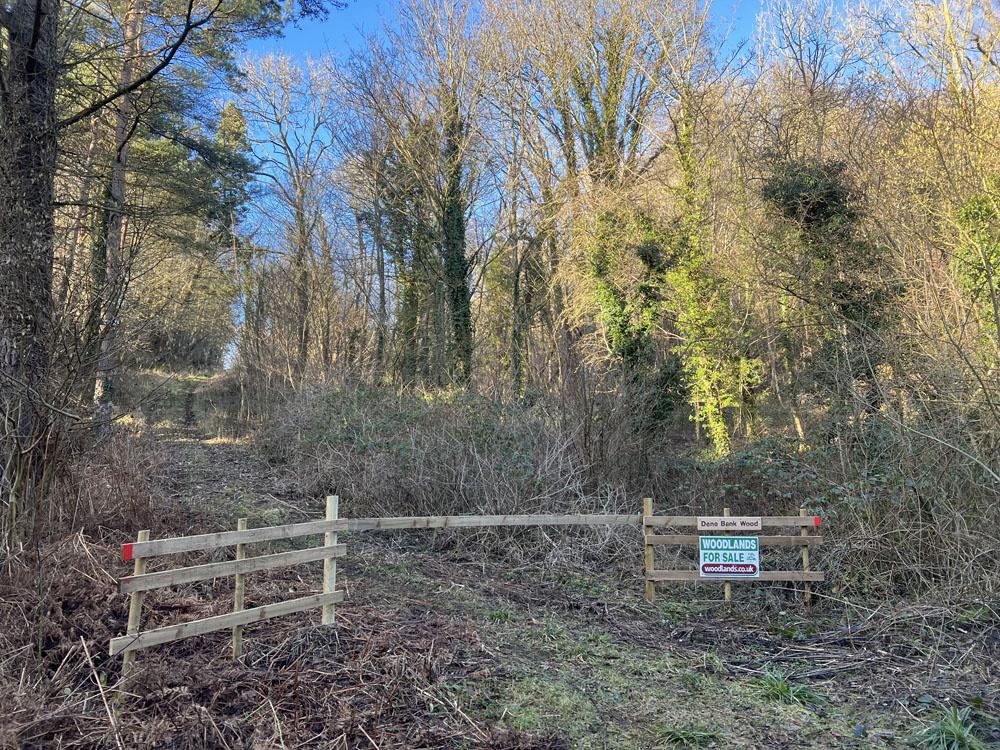
- Dene Bank Wood
- Just over 4 and a half acres
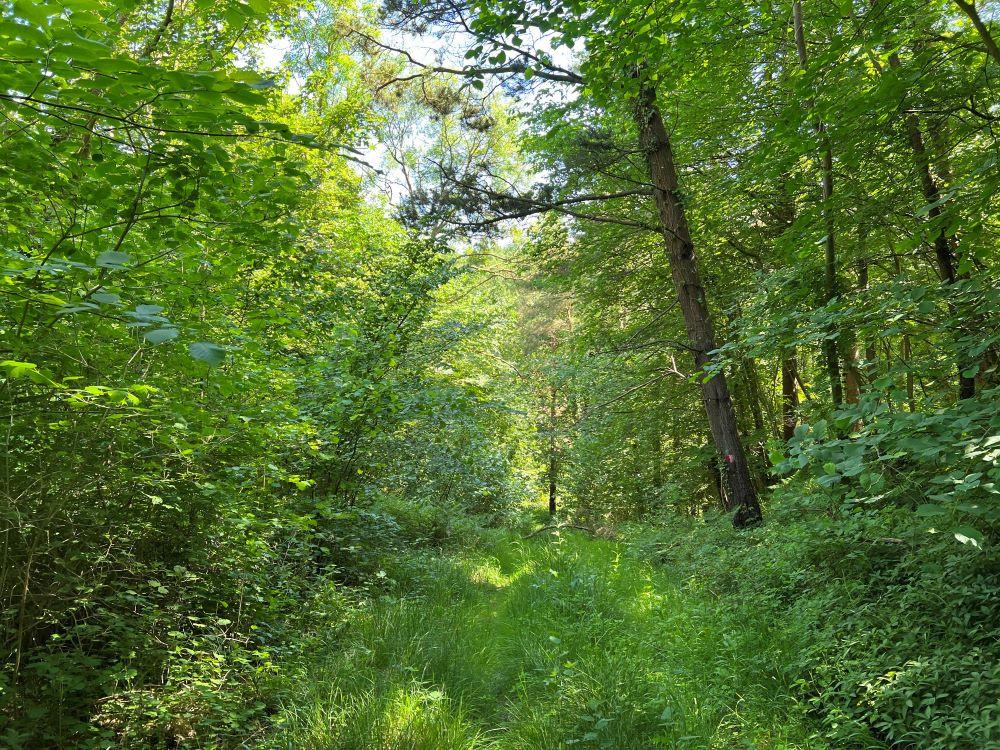
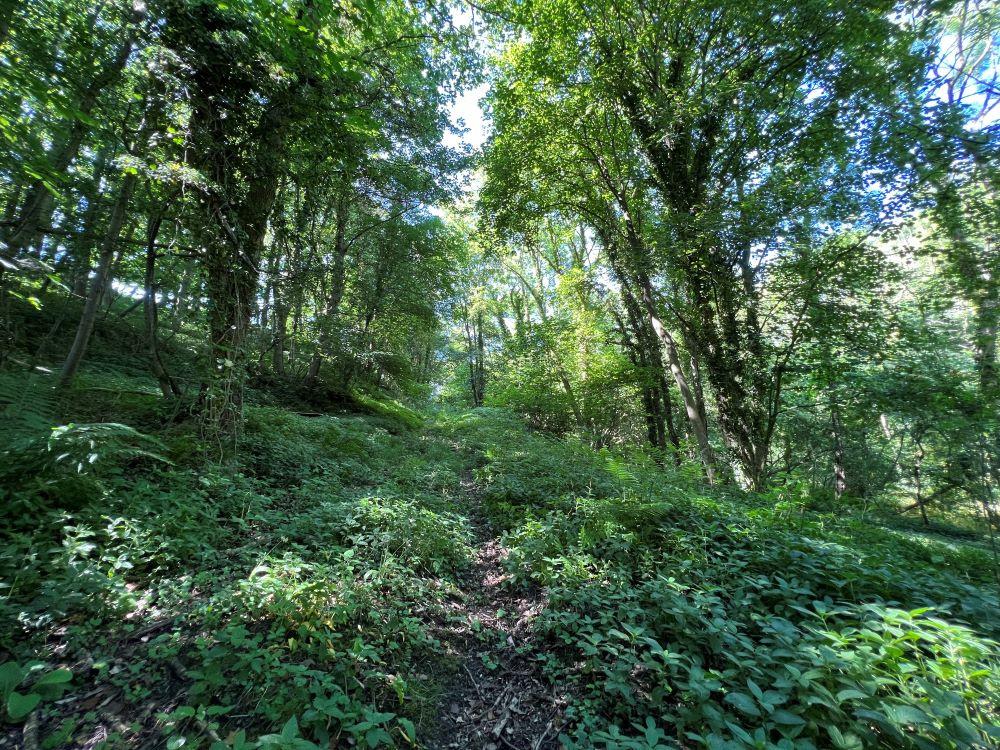
- A secluded, mainly deciduous woodland with a small stream, varied terrain, and lots of broadleaved trees.
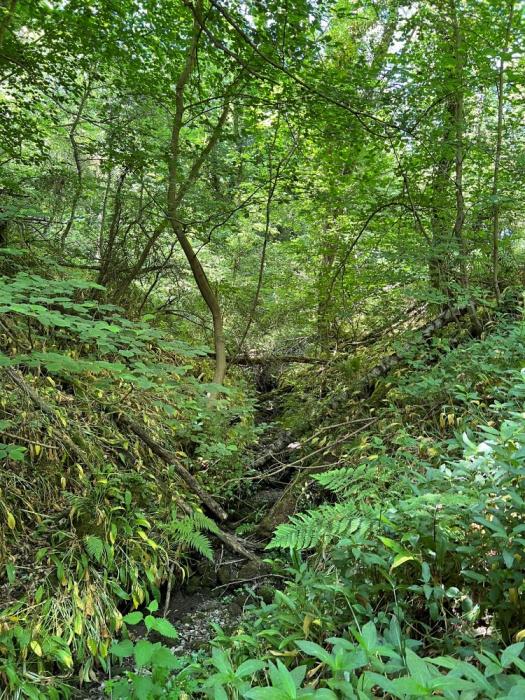
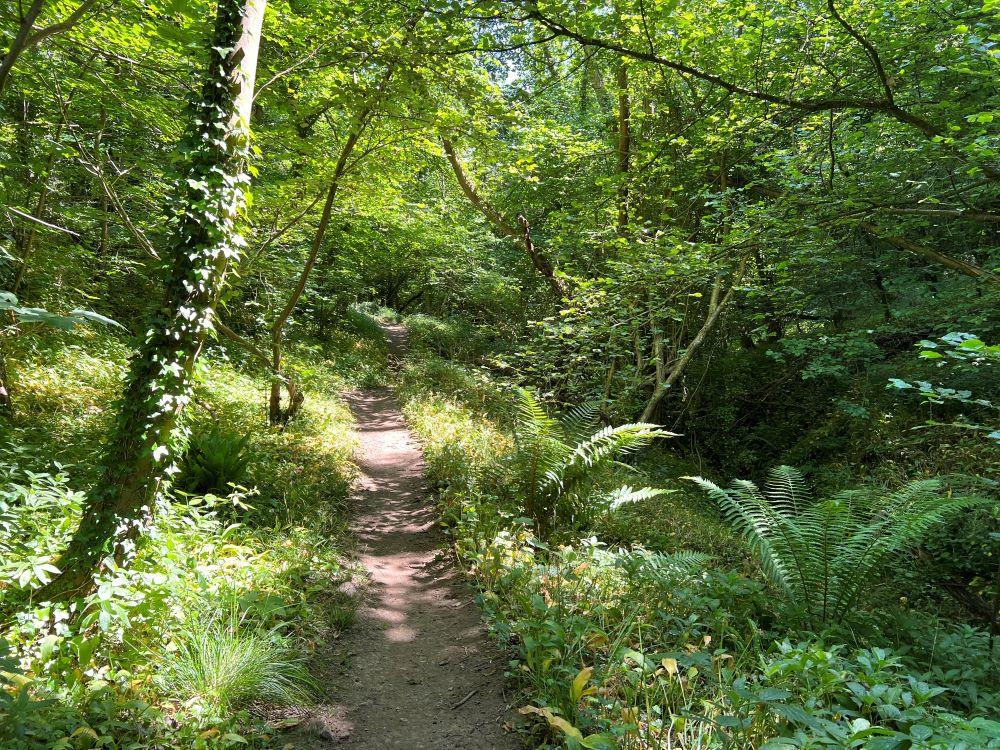
- A small burn with ferns and willows.
- South facing banks.
- Some level areas.
- Lovely views into the Dene.
- A rustic bench with a pleasant outlook.
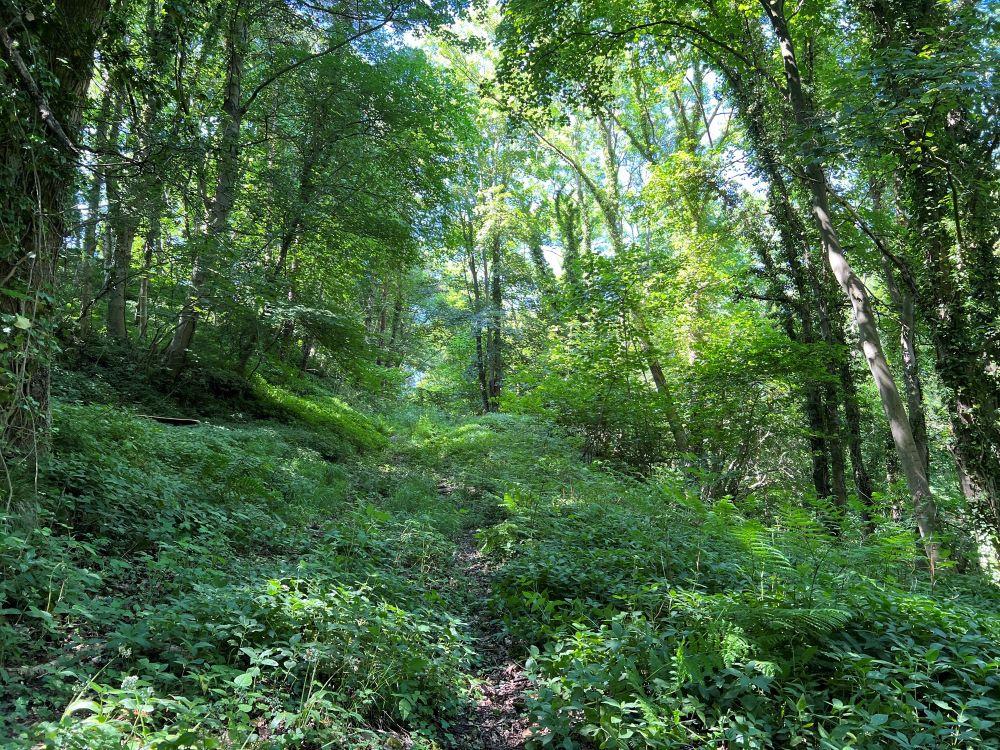
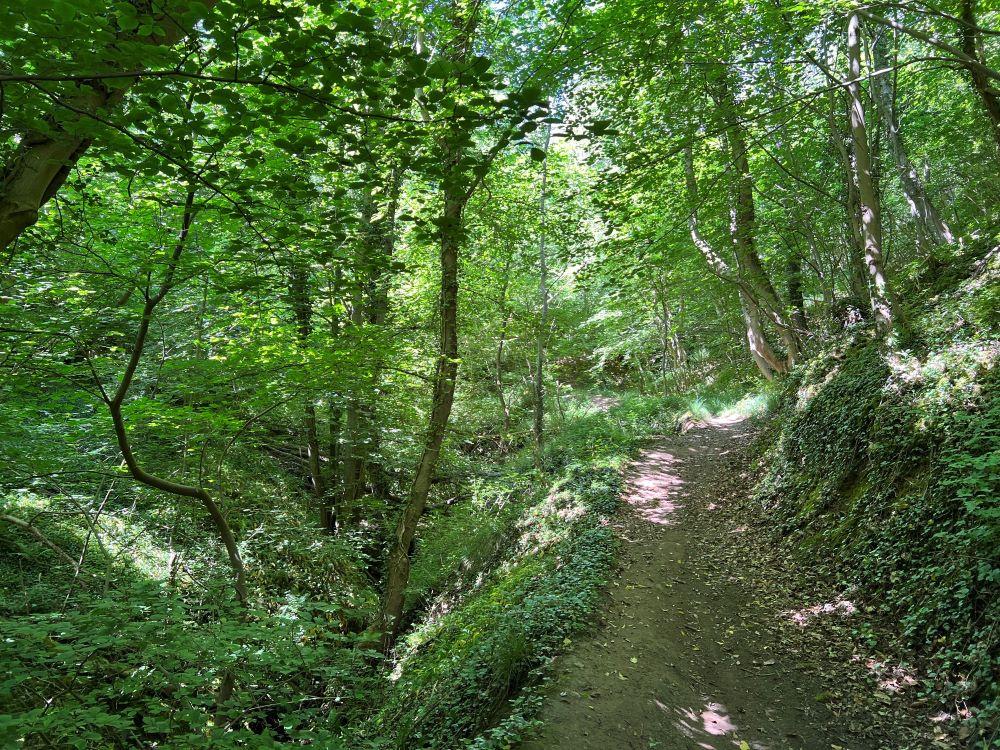
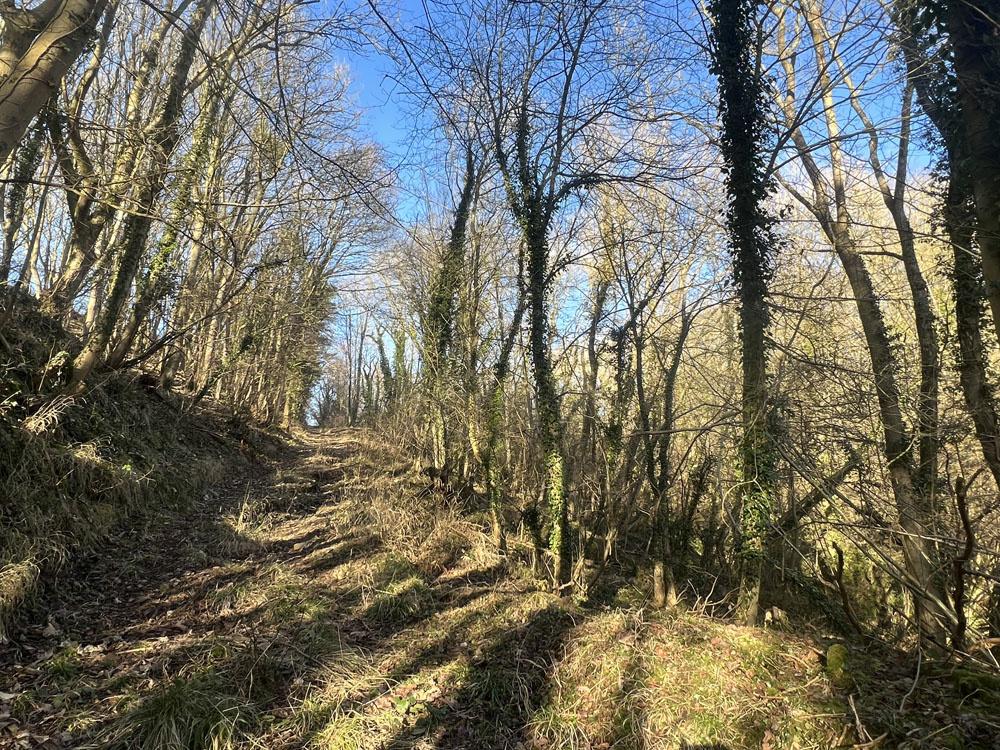
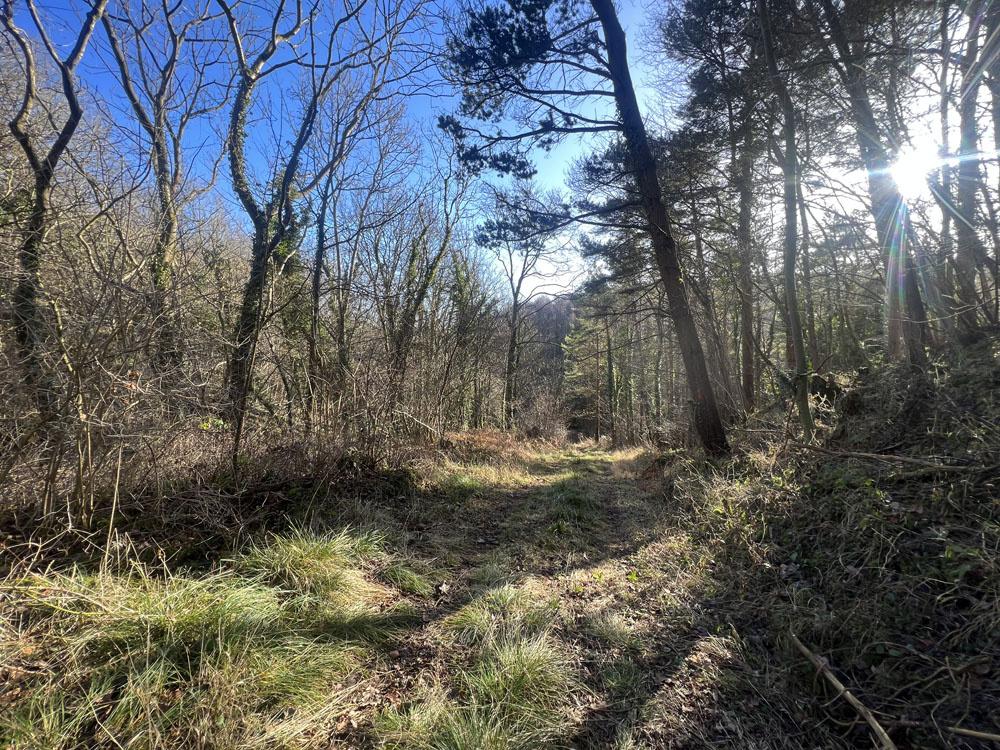
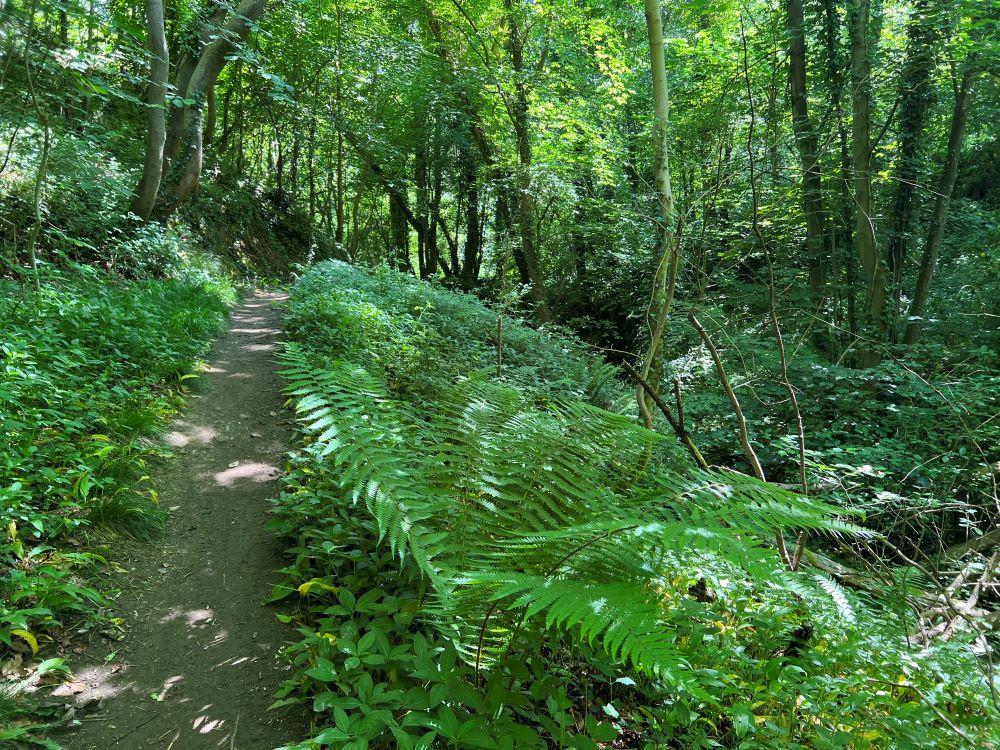
Located on the edge of Silverhill Plantation, Dene Bank Wood is bordered by woodlands and grazing land and has a quiet and secluded feel. With mixed terrain, it has level areas, picturesque viewpoints gathering the sun, tracks and banks that slope down to a small stream. Although seasonal, it flows in all but the very driest weather, down through the wood, before it merges with Bellows Burn outside of the wood boundary.
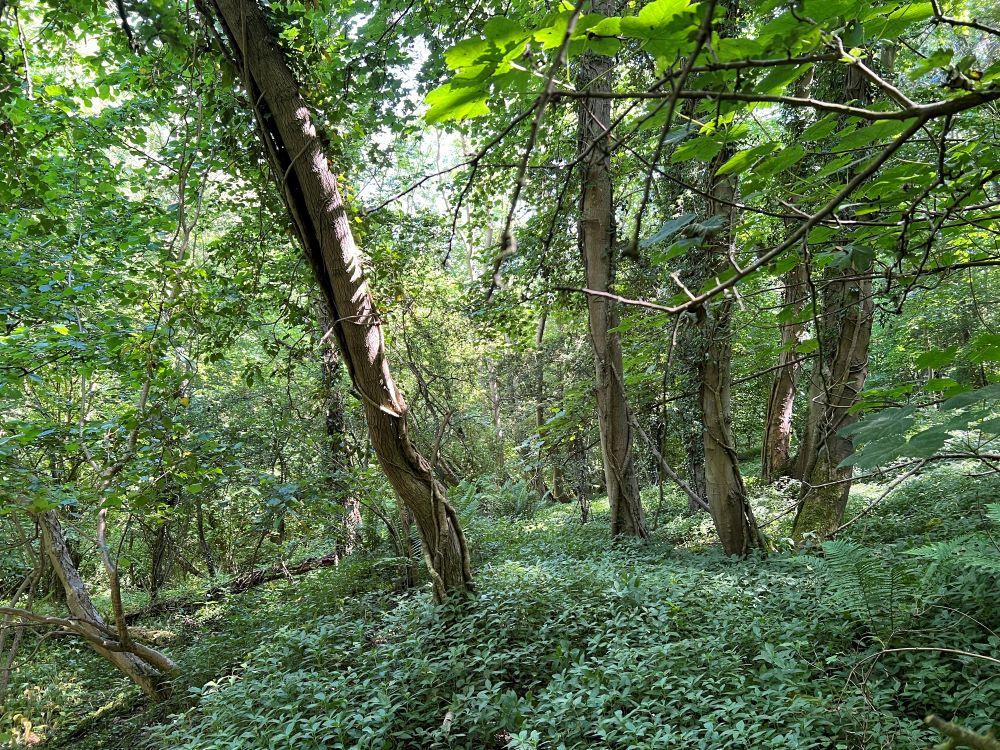
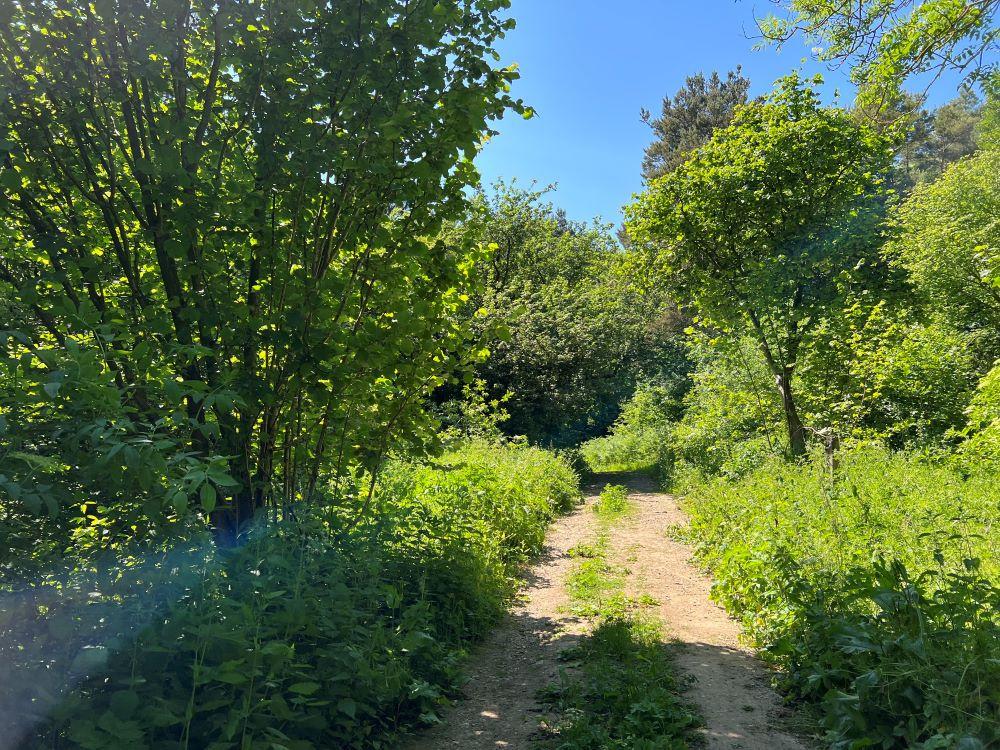
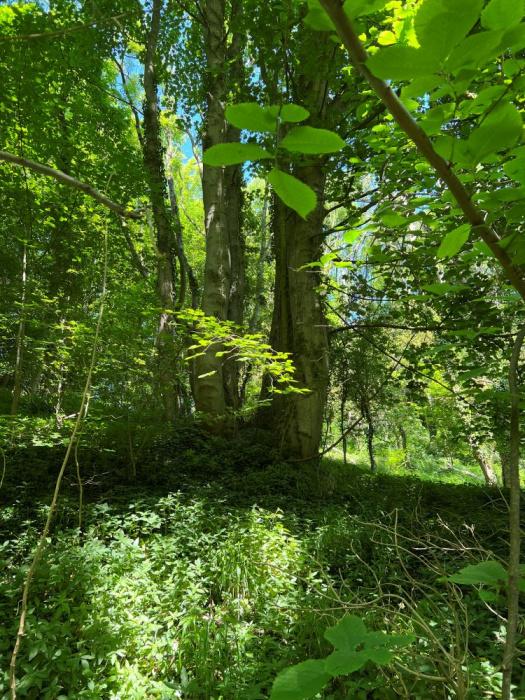
The wood is a delightfully varied mix of broadleaved trees of various ages and a handful of pines. Coppiced stools of hazel, oak, and ash are dotted through, with sycamore, beech, wych elm and willow (following the line of the burn,) all contributing to a timeless quality.
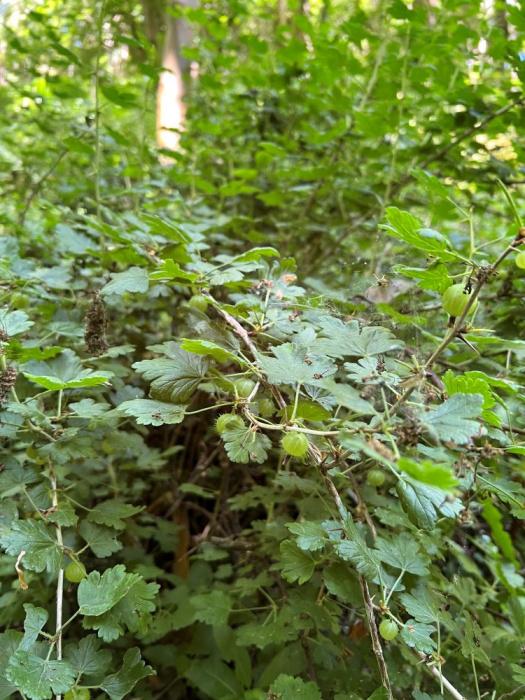
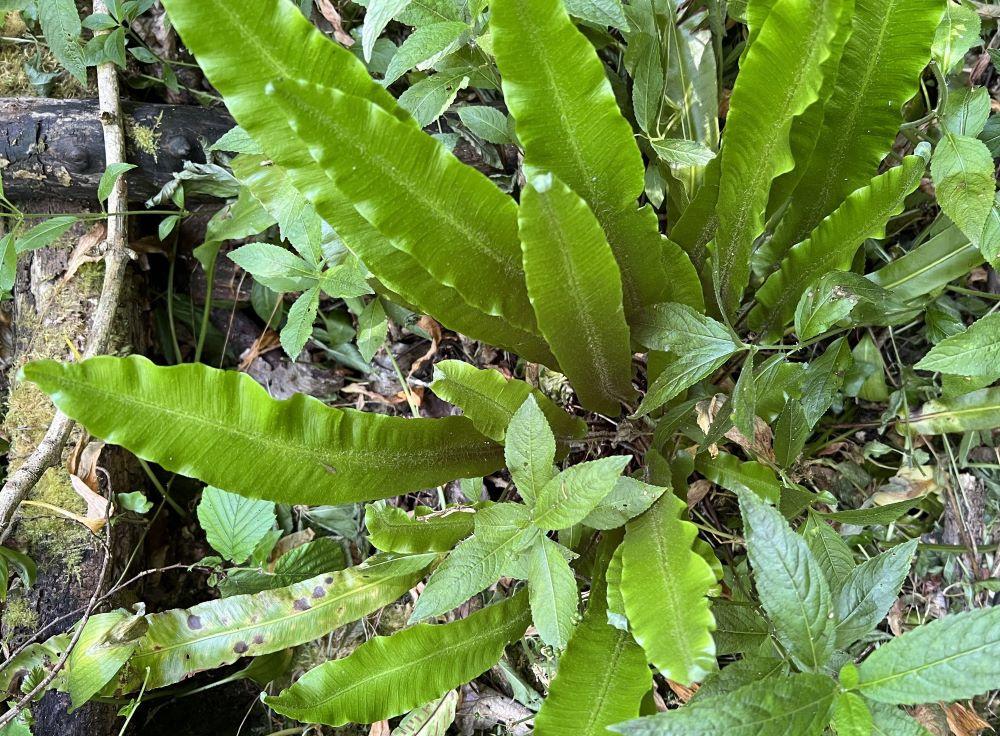
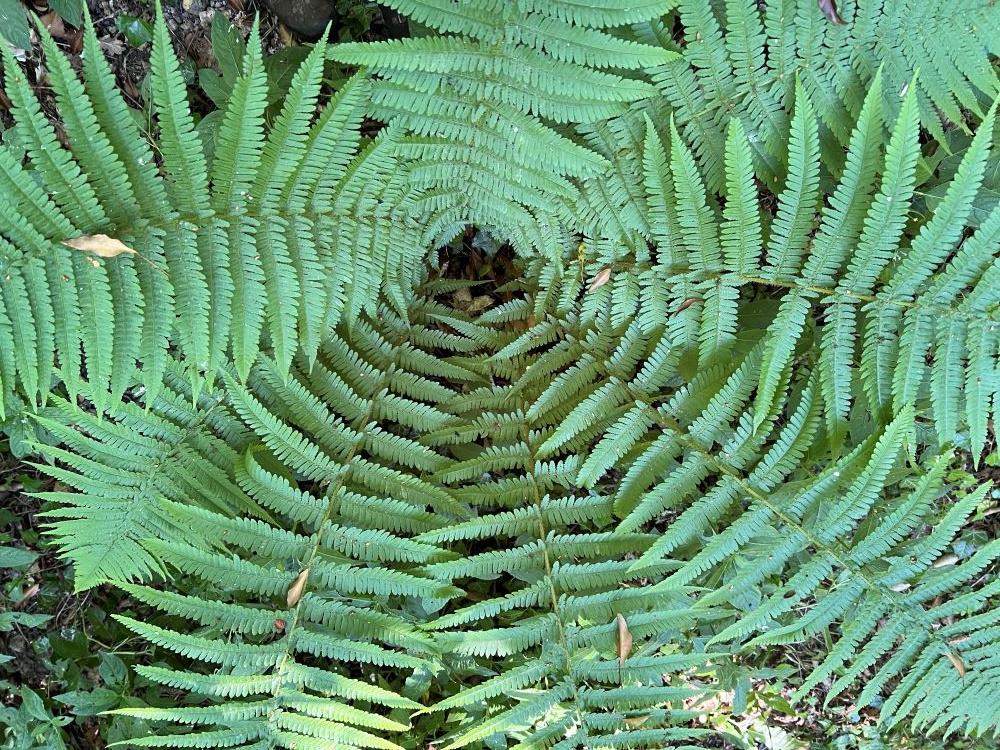
Much of the woodland floor has native ferns, along with some large lady-fern and hart’s-tongue fern popping up here and there along the banks of the water course. Elsewhere, bramble, bracken and dog’s mercury – often an indicator of limestone soils, ivy and fragrant honeysuckle abound, twining up trees and offering nesting sites to birds and a food source to bees and other insects.
Trees
Oak, ash, sycamore, hazel, wych elm, willow, pine and beech.
Wildlife
A haven for birdlife in the shelter of the dene, with plenty of feeding opportunities, cover and nest sites, many species can be observed from buzzards overhead, sparrowhawks using the undulating landscape to hunt, tawny owls, woodcock and other game birds to small birds such as tits, robins and wrens.
Deer are frequent visitors too with roe deer using game trails through the wood. Brown hare are also present.
Features
- A small burn with ferns and willows.
- South facing banks.
- Some level areas.
- Lovely views into the Dene.
- A rustic bench with a pleasant outlook.
Access, tracks and footpaths
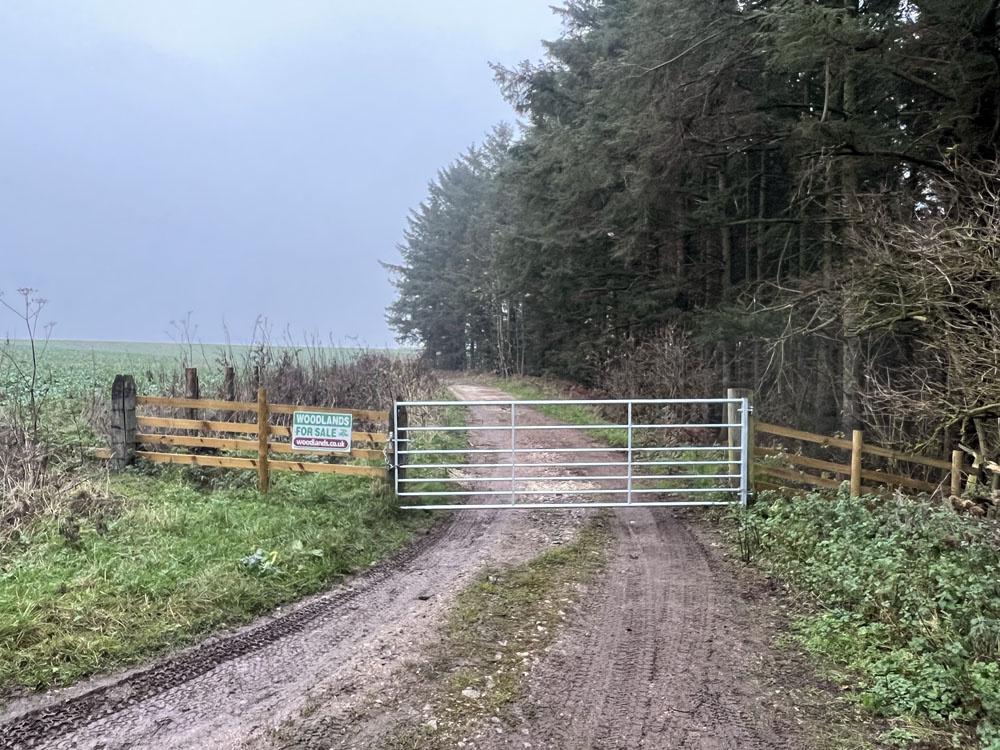
Access is from the A19 and then along Bellows Burn Road to the shared woodland entrance.
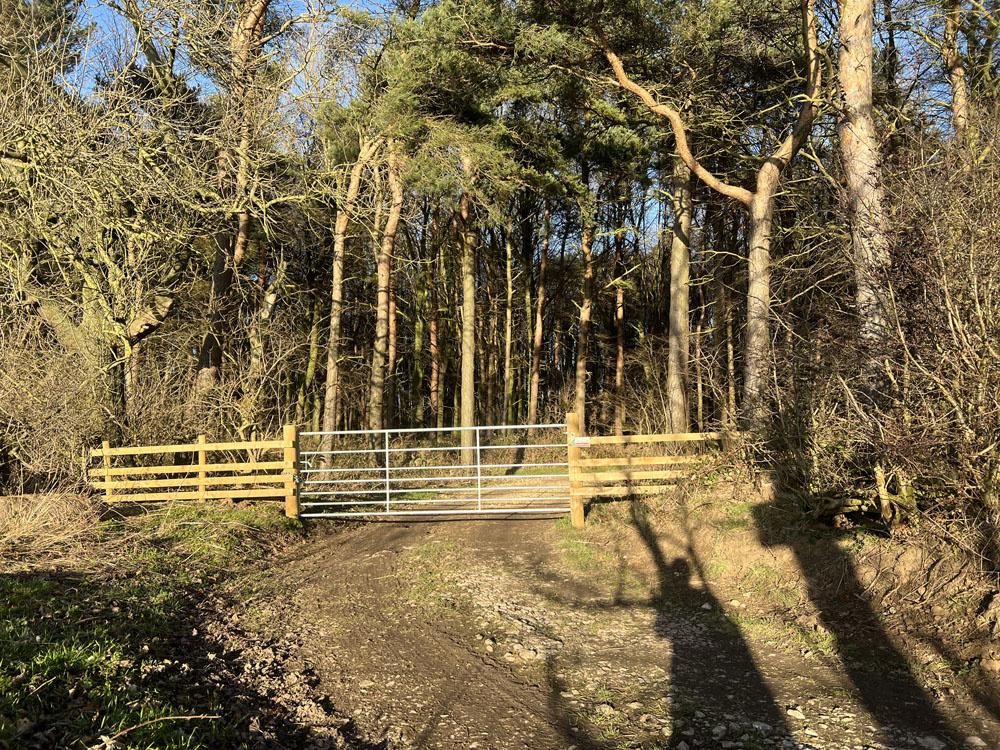
A shared stone track then gives access to the woodland via a ford across the burn. There is space to park at the entrance to the wood. From here, access around the wood is on foot, meandering up the bank through some clearer areas.
There is a public footpath within the wood, following the line of the burn. This path connects to the Hart to Haswell walkway which runs outside the northern boundary of the wood.
Rights and covenants
There is one public right of way within the wood.
The sporting rights are included in the sale.
Our standard covenant will apply.
As is the case for all our woodlands, the purchaser will be asked to enter into a covenant which serves to protect the peace and quiet of the woodland.
Activities
The wood is ideal for wildlife observation and conservation-based activities such as birdboxes or trail-cams.
More level areas may be suitable for occasional family camping or using as a base for coppice management operations and exploring the Durham Heritage Coast .
There is excellent coppicing potential for stick products for garden, allotment and craft use as well as opportunities for home firewood collection.
Local area and history
Although Hartlepool is a port with a rich industrial past, the surrounding landscape features pretty villages in rolling magnesian limestone hills, countryside that has seen little development. This area lay outside the Durham coalfield to the north.
The nearby village of Sheraton is situated by Bellows Burn, and now bisected by the A19 road. In medieval times there was a more sizable settlement here, first recorded in 1050 AD under the name 'Scurafaton'. In the 19th century Sheraton was part of the Parish of Monkhesleton. The open field system and archaeological remains are a scheduled ancient monument.
The dene is essentially a limestone gorge carpeted with layers of glacial clay, sand and gravel. It was carved by the water from melting ice at the end of the last period of glacial activity and reaches the coastline at the sands of Crimdon Dene Beach. Crimdon has been a popular place for holiday makers for many years. From the 1920’s miners came to Crimdon for their annual summer holidays. Crimdon Beach is a very important breeding ground for the Little Tern, one of Britain’s rarest sea birds. These birds arrive every year in May from West Africa and the site is monitored by volunteer wardens who erect temporary fencing to protect the eggs and chicks from predators.
Property information from this agent
Area statistics
About this agent