

 Floorplan
 Map
Map Area stats
Guide price
£1,000,0004 bedroom detached house for sale
Payhembury, Honiton, Devon, EX14
Featured
Study
Added yesterday
Photovoltaic
Detached house
4 beds
Key information
Tenure: Freehold
Council tax: Band G
Mobile signal:
EEO2ThreeVodafone
Features and description
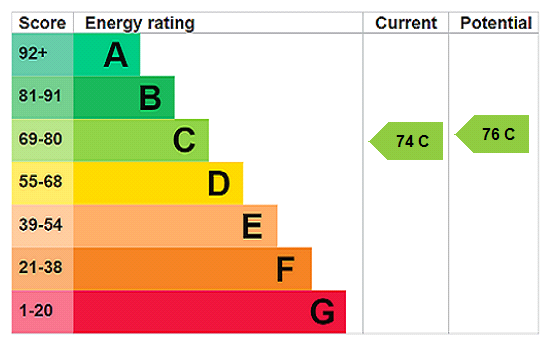
- EPC Rating = C
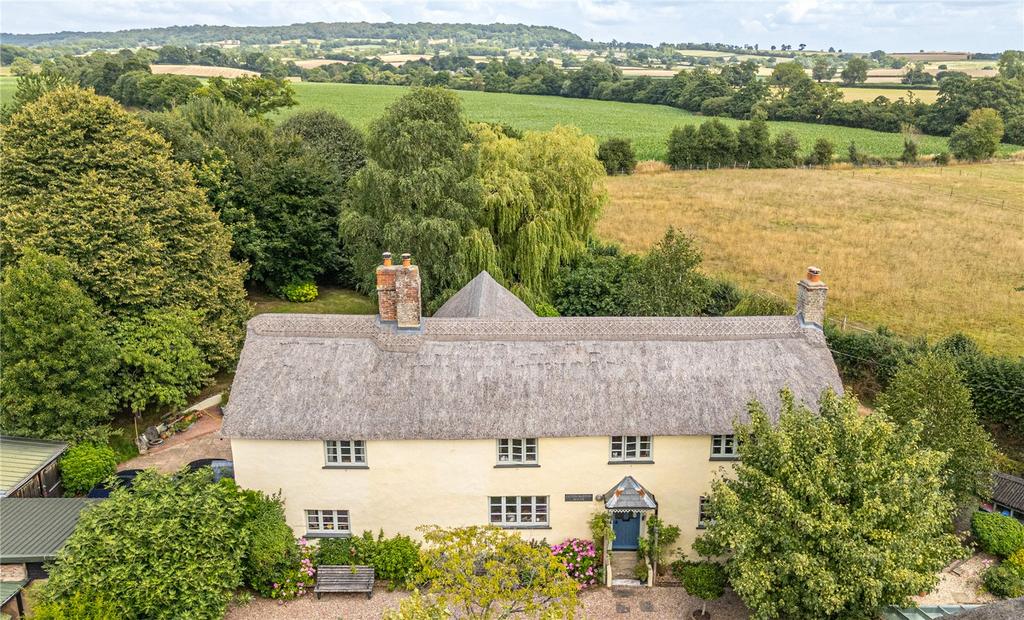
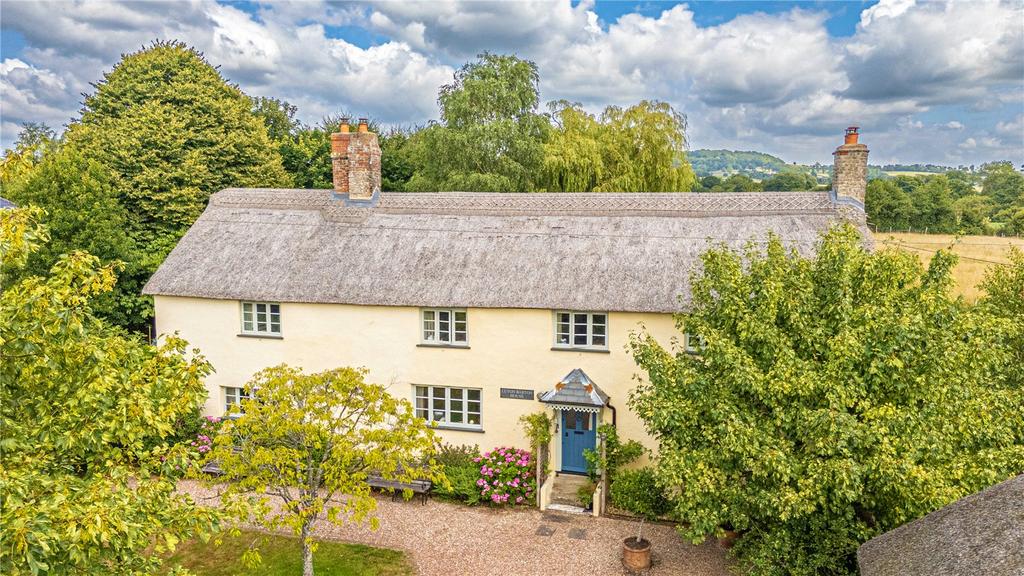
An Grade II Listed farmhouse set within superb established gardens
Description
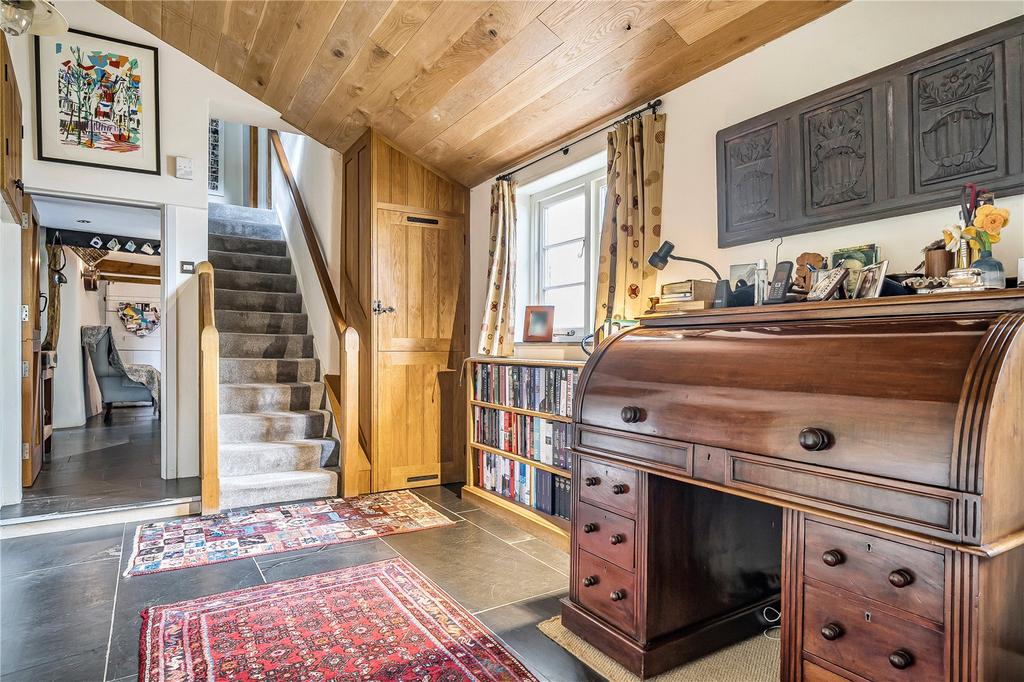
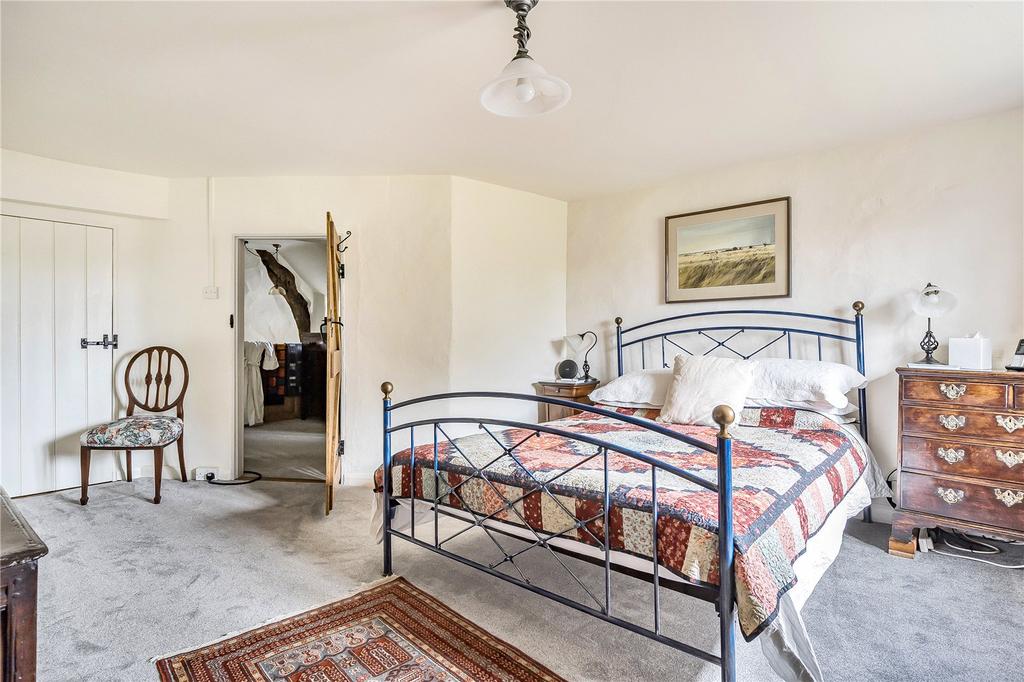
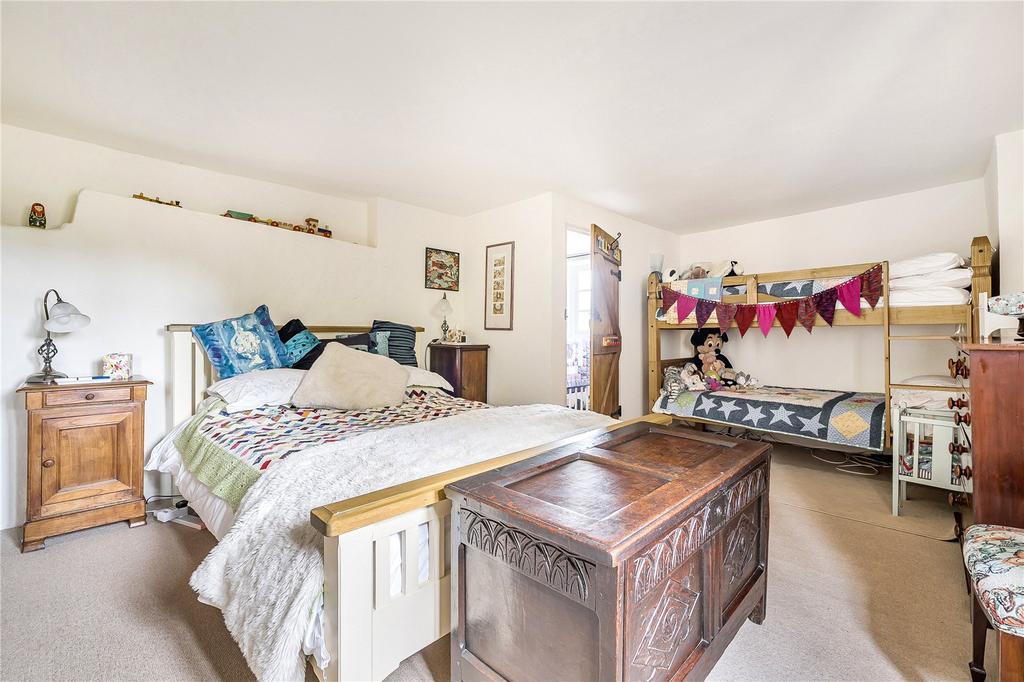
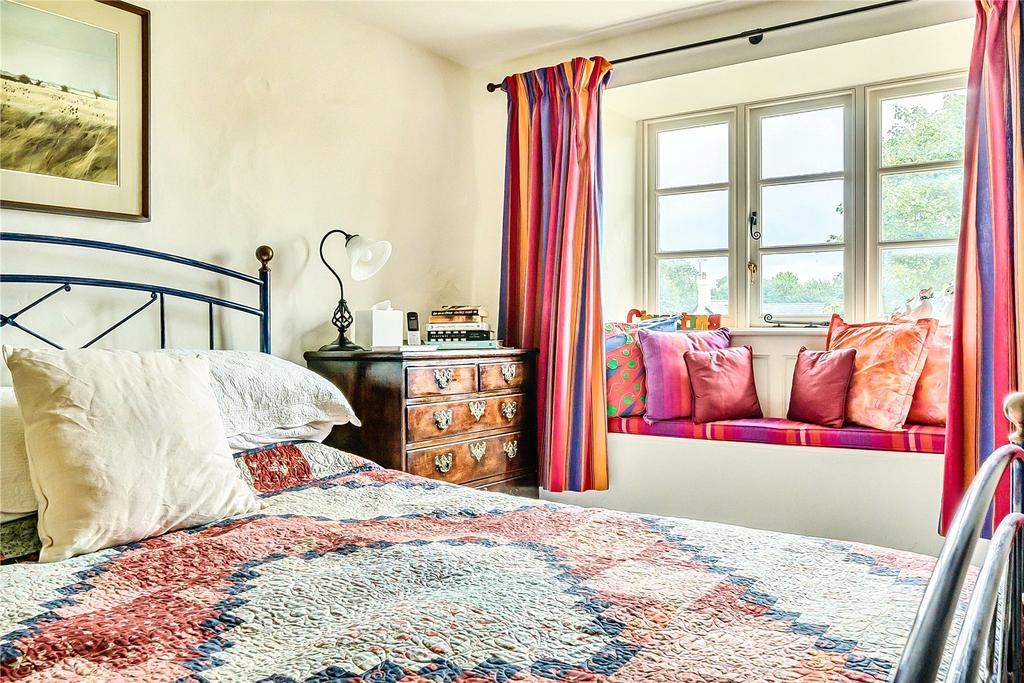
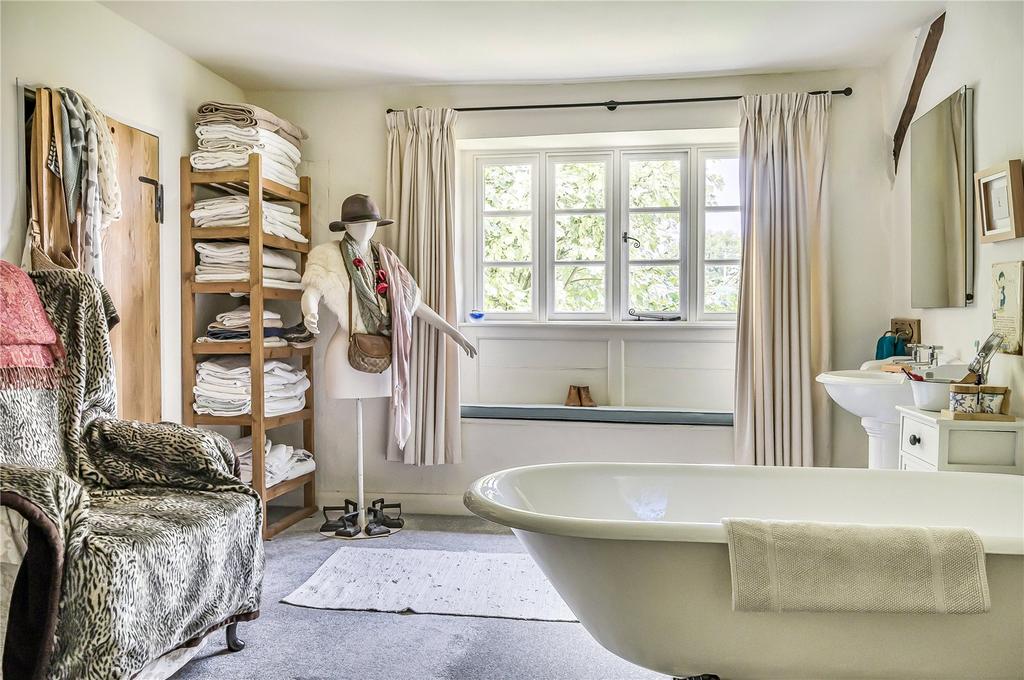
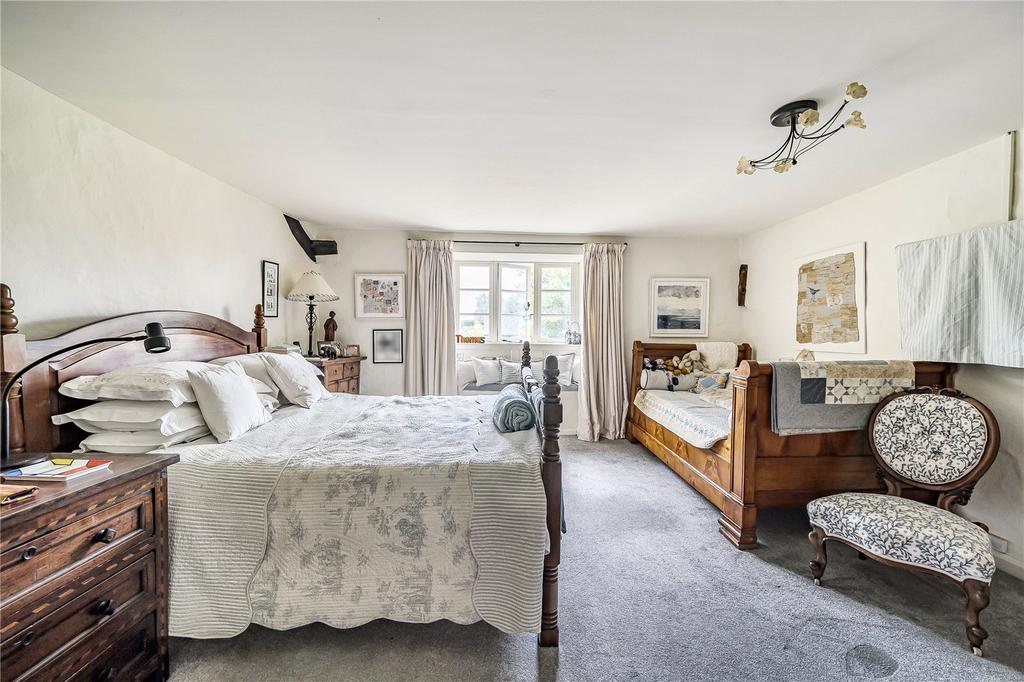
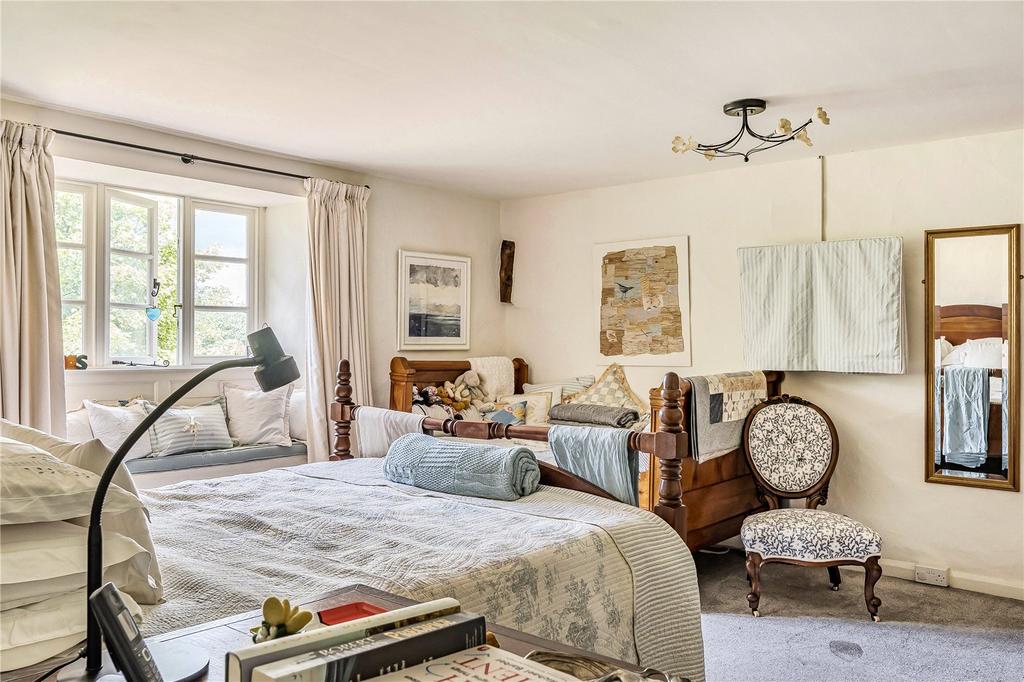
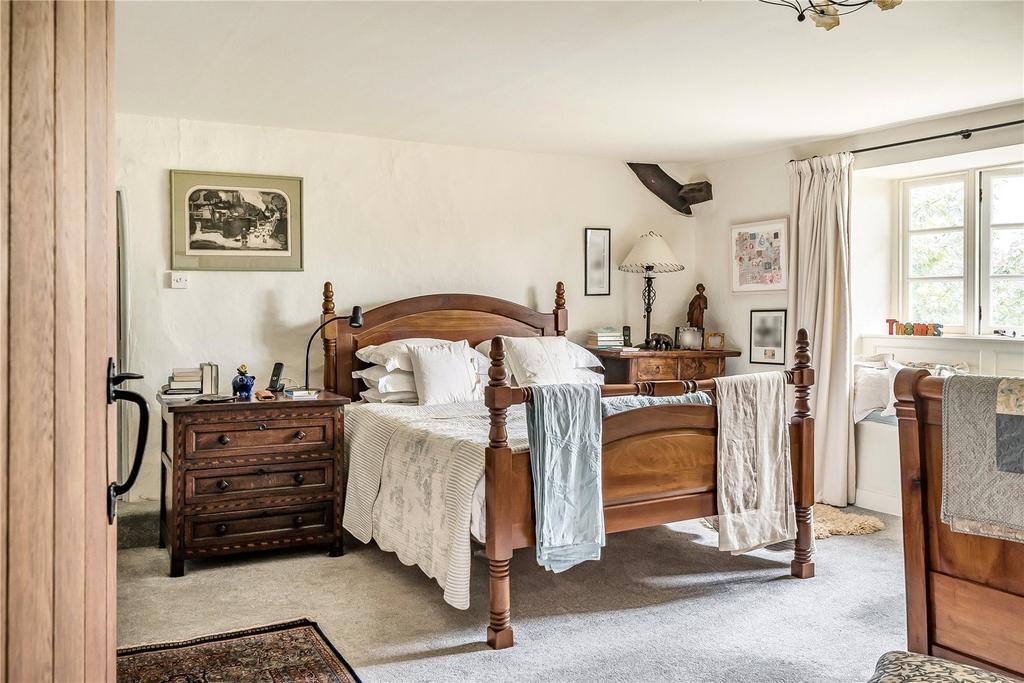
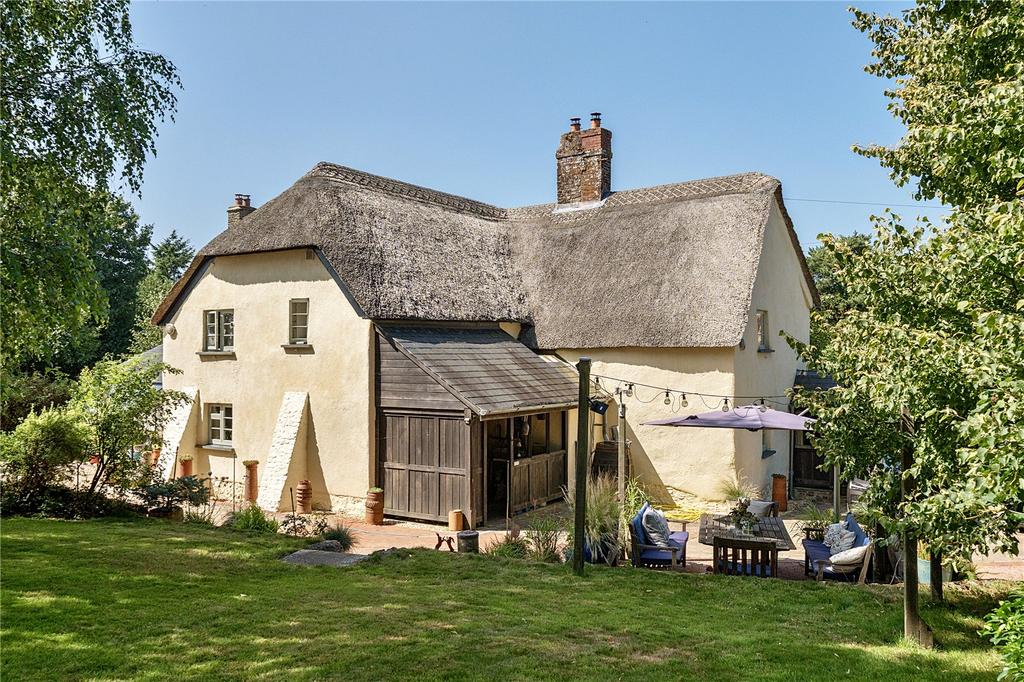
Believed to have been constructed during the latter half of the 15th century, Luton Barton House began life as a traditional open Hall House, a rare survival from the earliest period of domestic architecture in the region. Two smoke-blackened roof trusses remain as compelling evidence of its medieval origins, from a time when an open hearth formed the heart of the home.
Over the centuries, the house has been adapted and extended, with the insertion of fireplaces and upper floors thought to date from the late 16th or early 17th century.
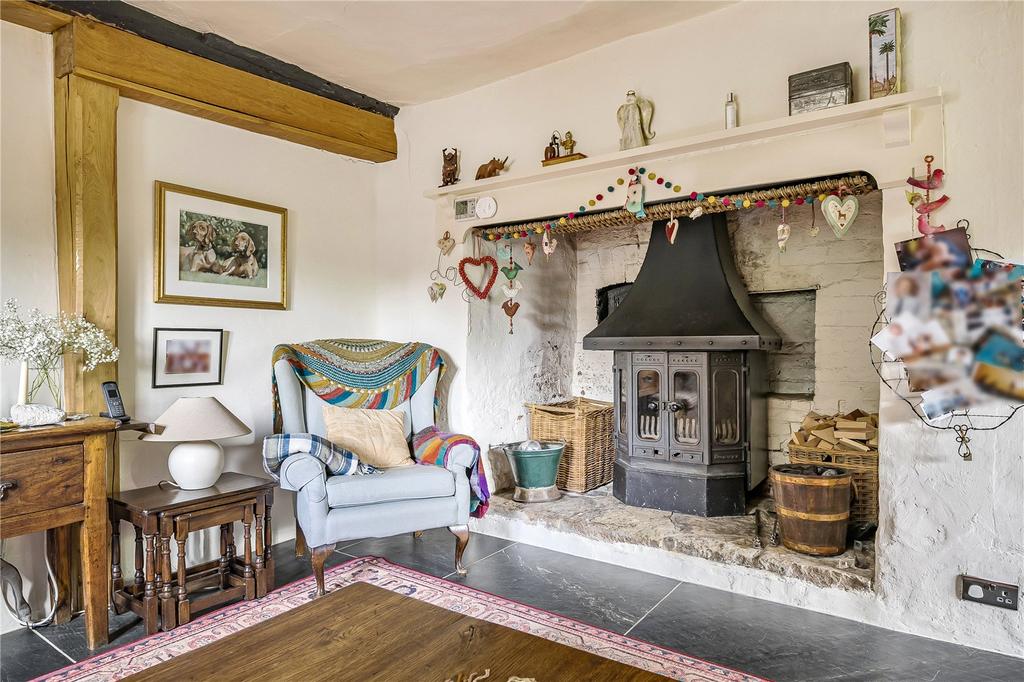
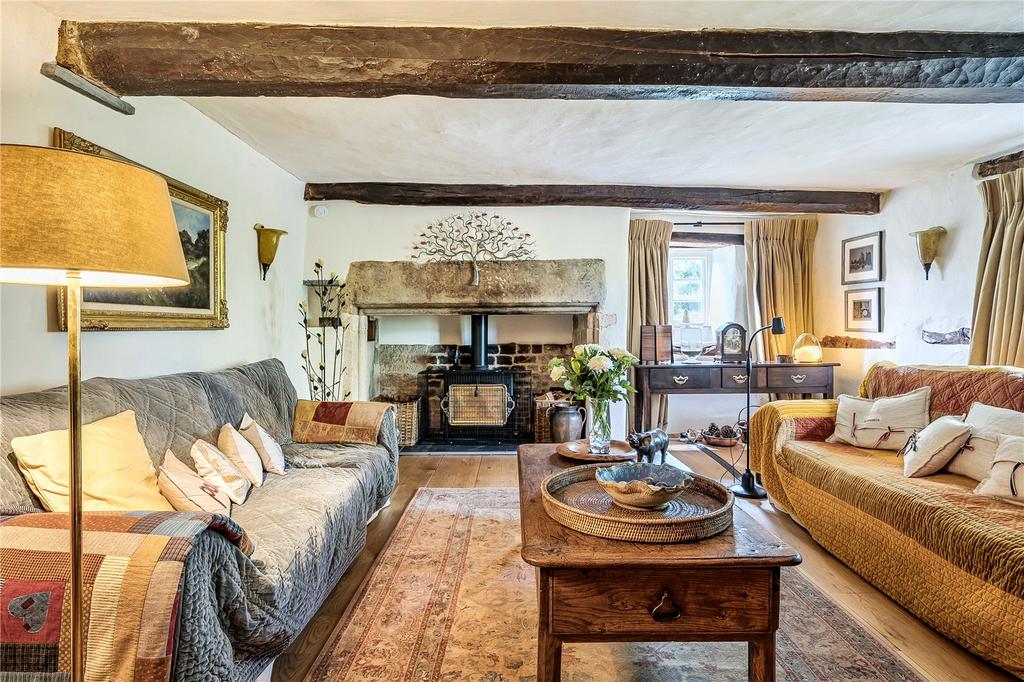
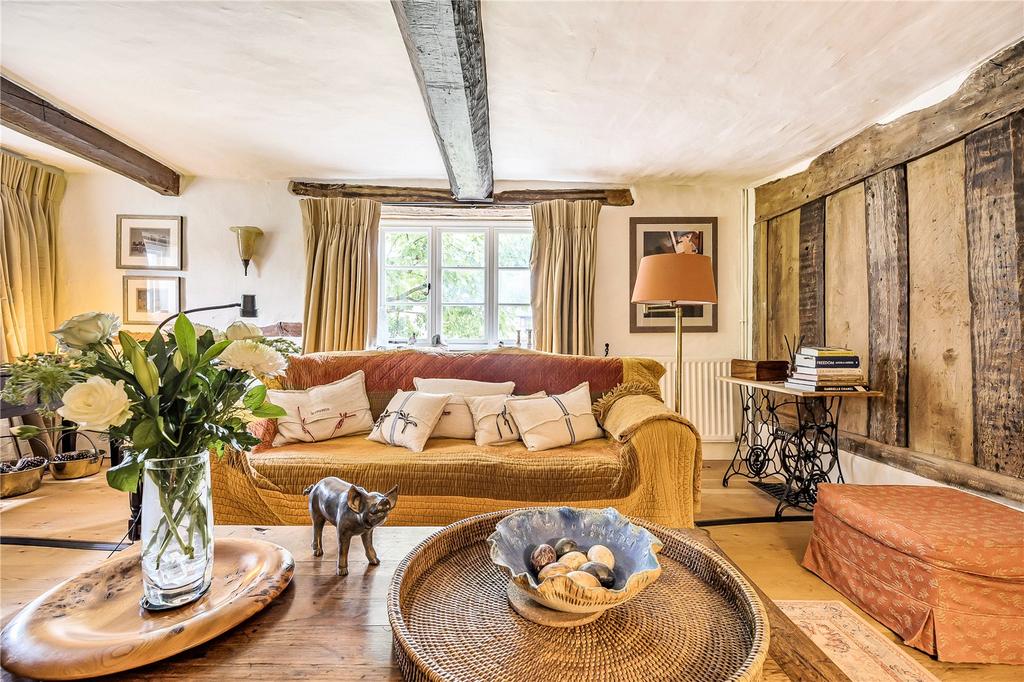
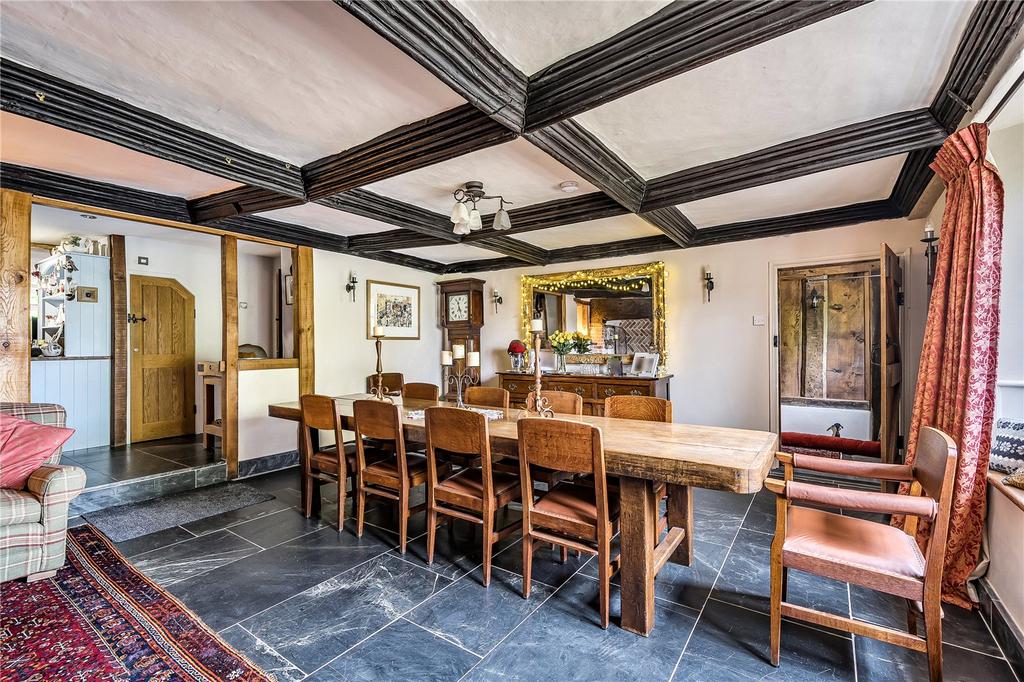
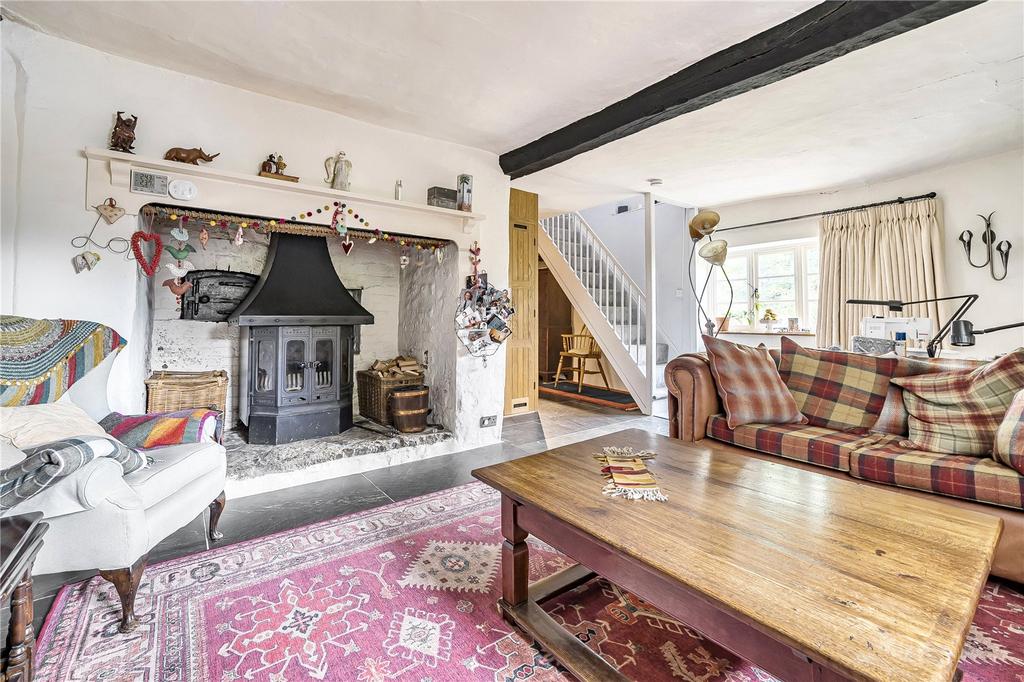
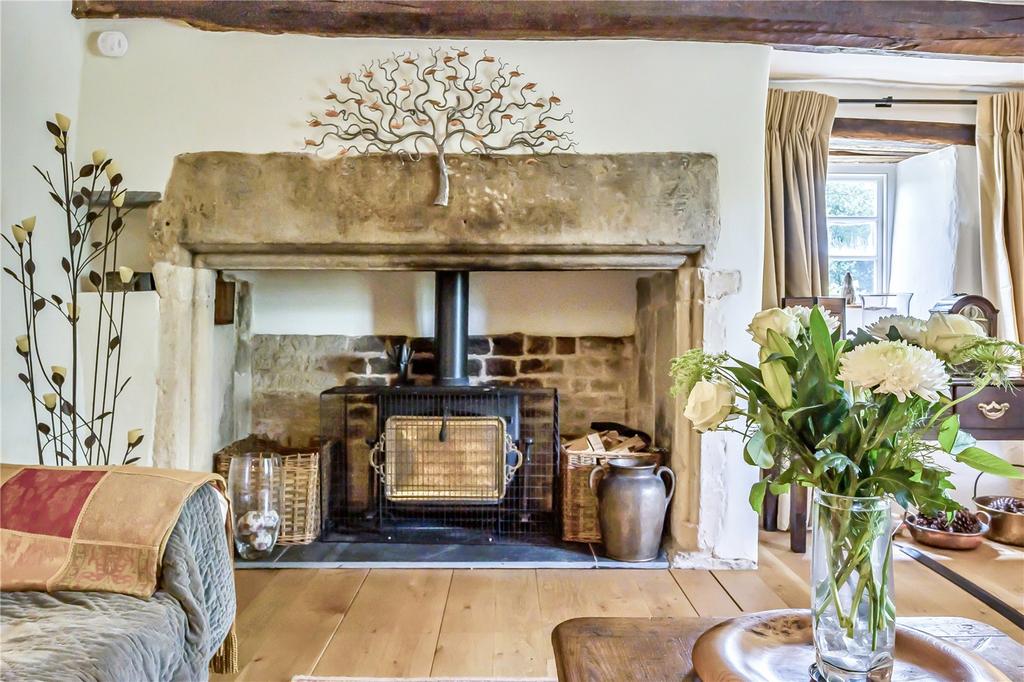
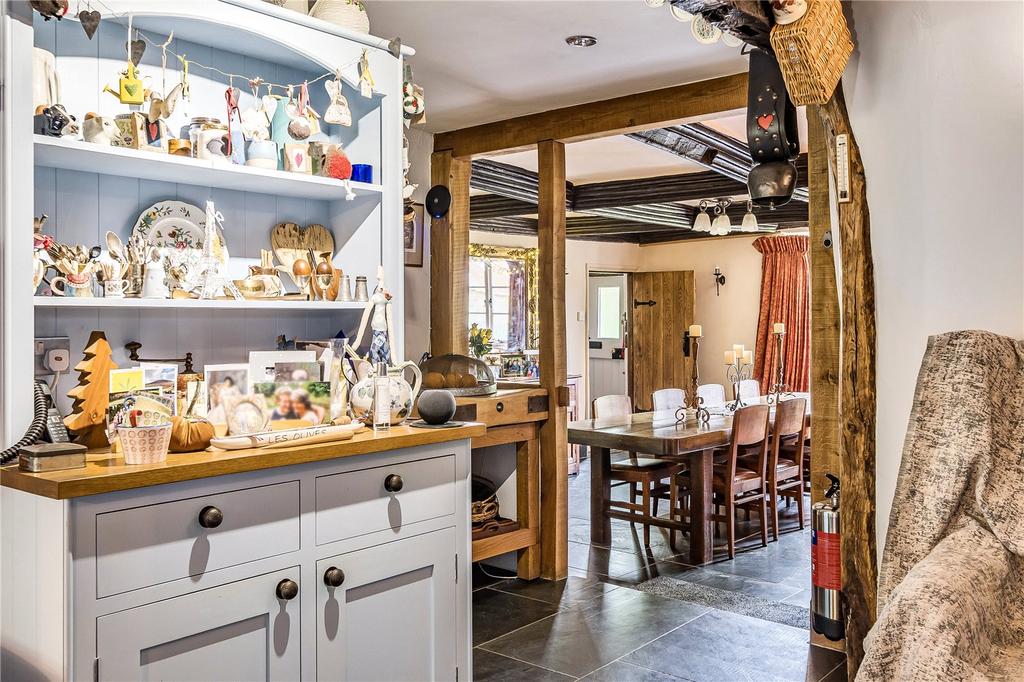
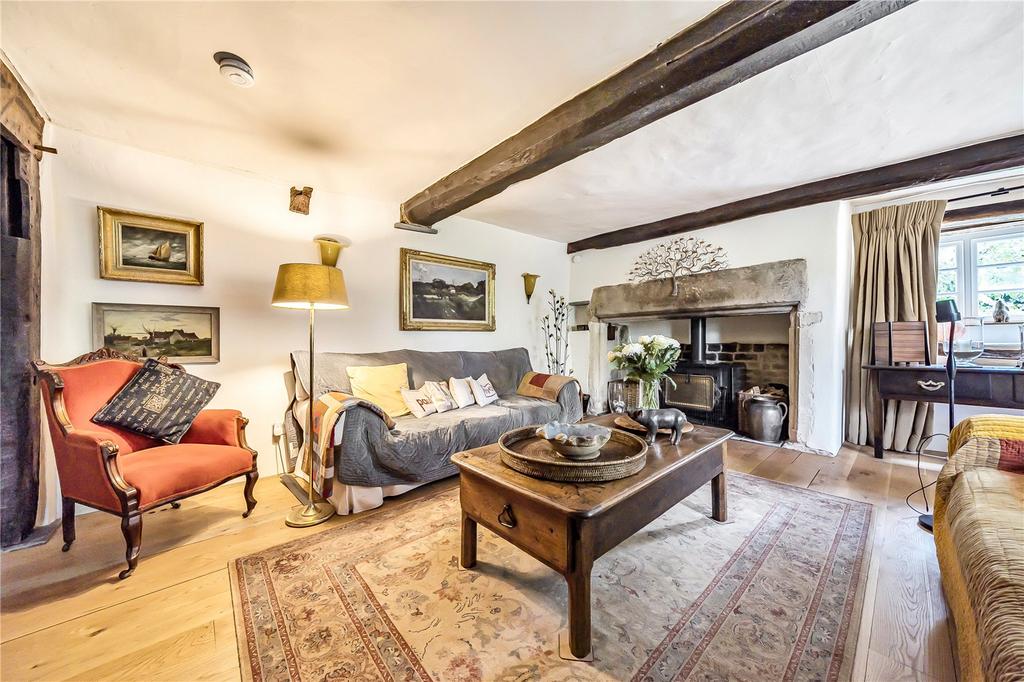
The principal reception rooms are rich in period detail. The sitting room is centred around an impressive inglenook fireplace with a substantial stone lintel, reputedly reclaimed from Dunkeswell Abbey, supported by Beerstone jambs. The dining room is equally notable, featuring an exceptionally rare moulded cross-beam ceiling and a further inglenook fireplace with a chamfered bressummer beam.
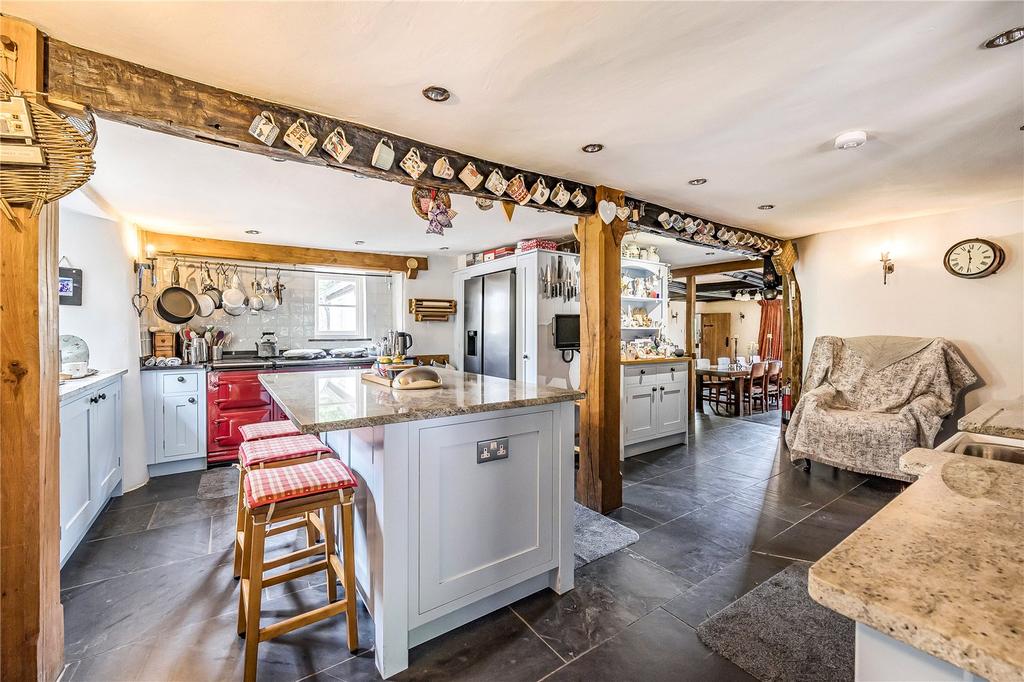
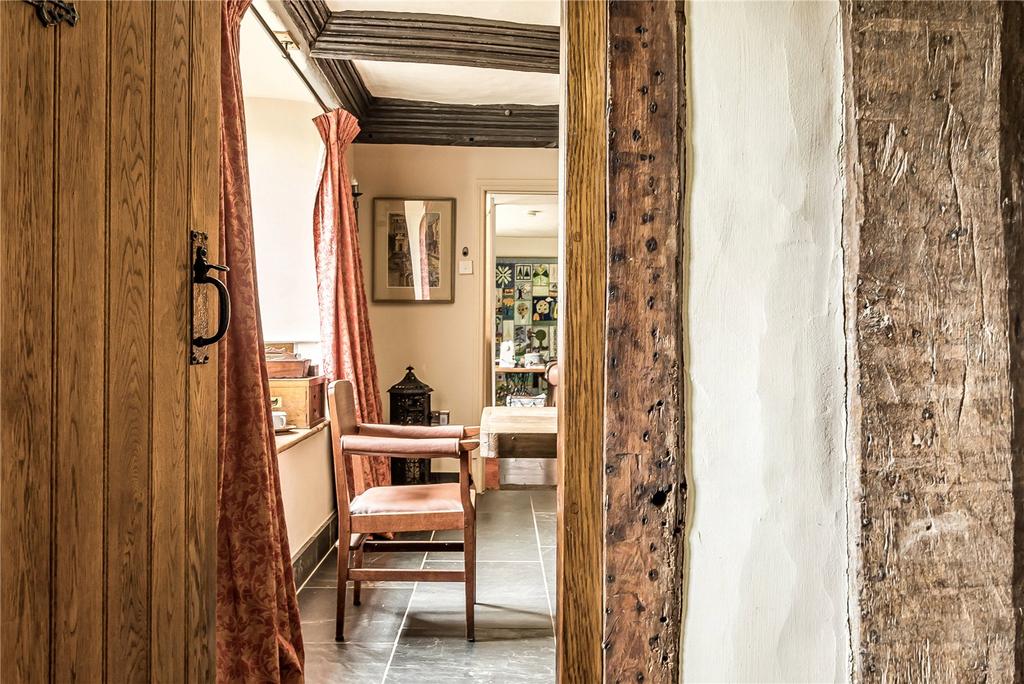
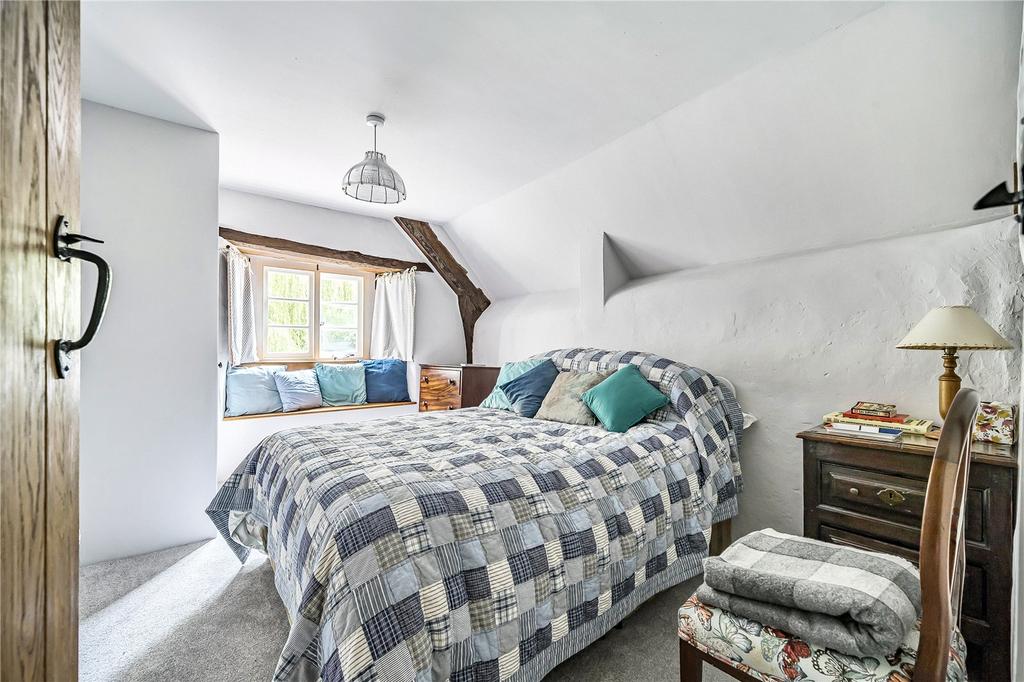
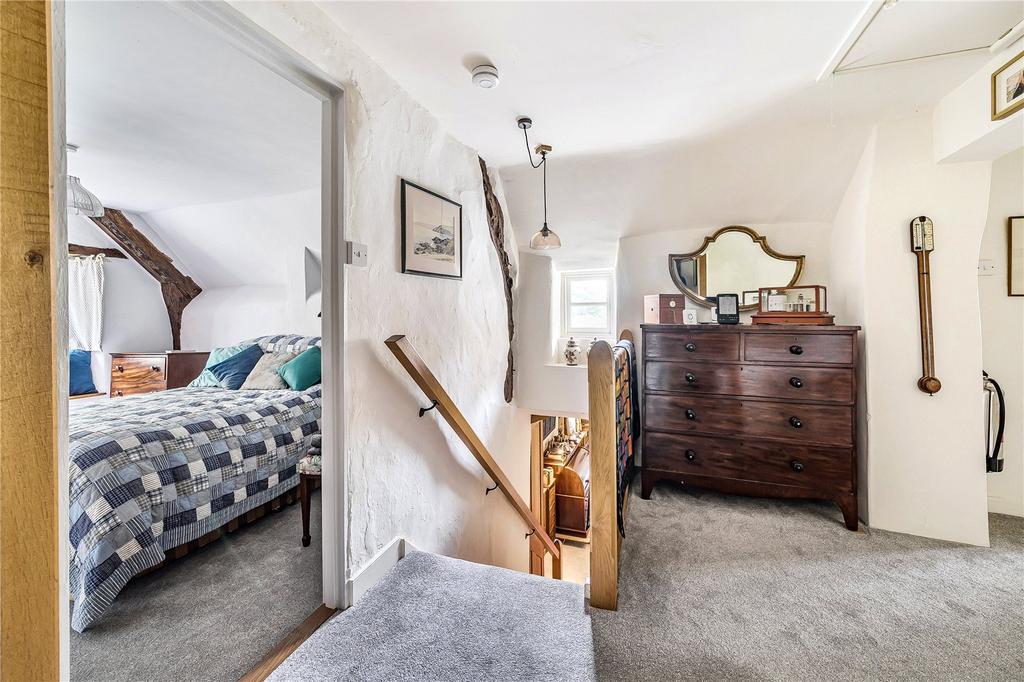
Elsewhere within the house are the remains of a possible 17th-century bread oven, an Elizabethan window recess within the kitchen and exposed cruck framing to the first floor. The property is constructed of traditional cob and rubble elevations, finished in lime render, which provides excellent thermal performance throughout the year.
The roof, thatch and structural timbers to the upper floors were comprehensively rebuilt approximately 35 years ago. The thatched roof is protected by a Thatch Alert system incorporating heat sensors, automatic fire suppression within the loft space and a comprehensive fire and smoke detection network.
Gardens & Grounds
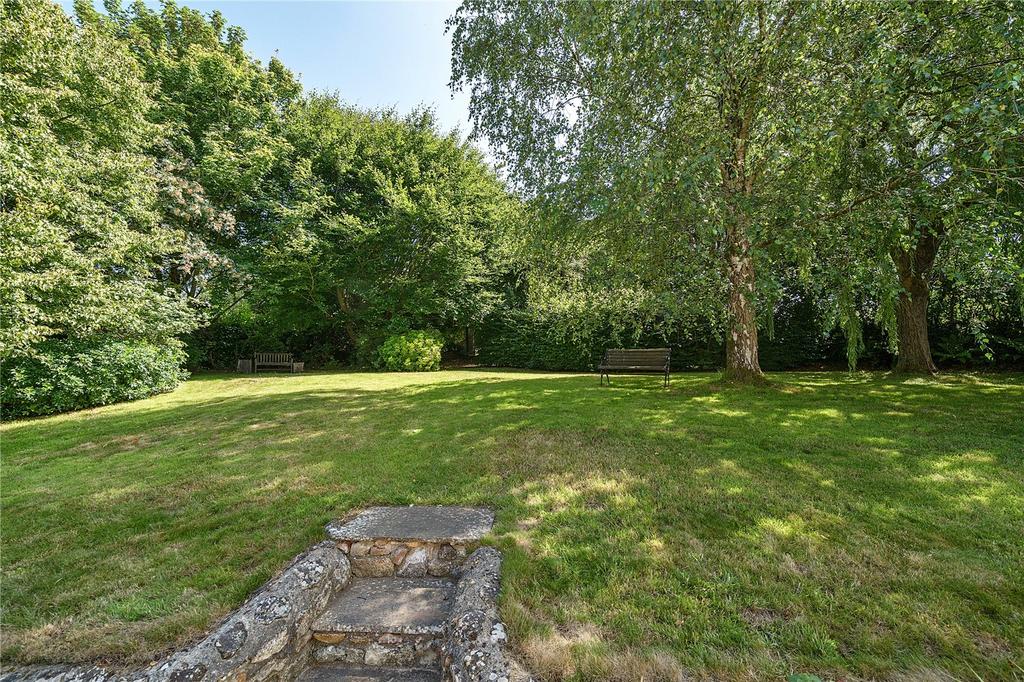
The house is approached through wrought-iron entrance gates opening onto a gravelled driveway, bordered by areas of lawn and a number of mature trees. The principal gardens lie to the rear of the property and extend to approximately 0.6 acre in total.
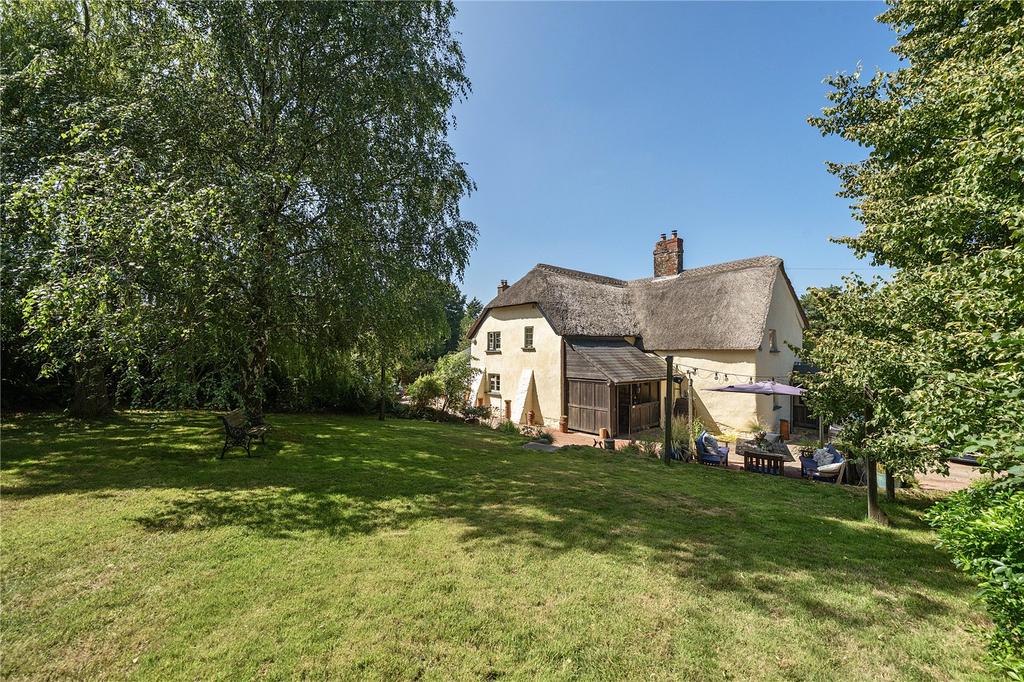
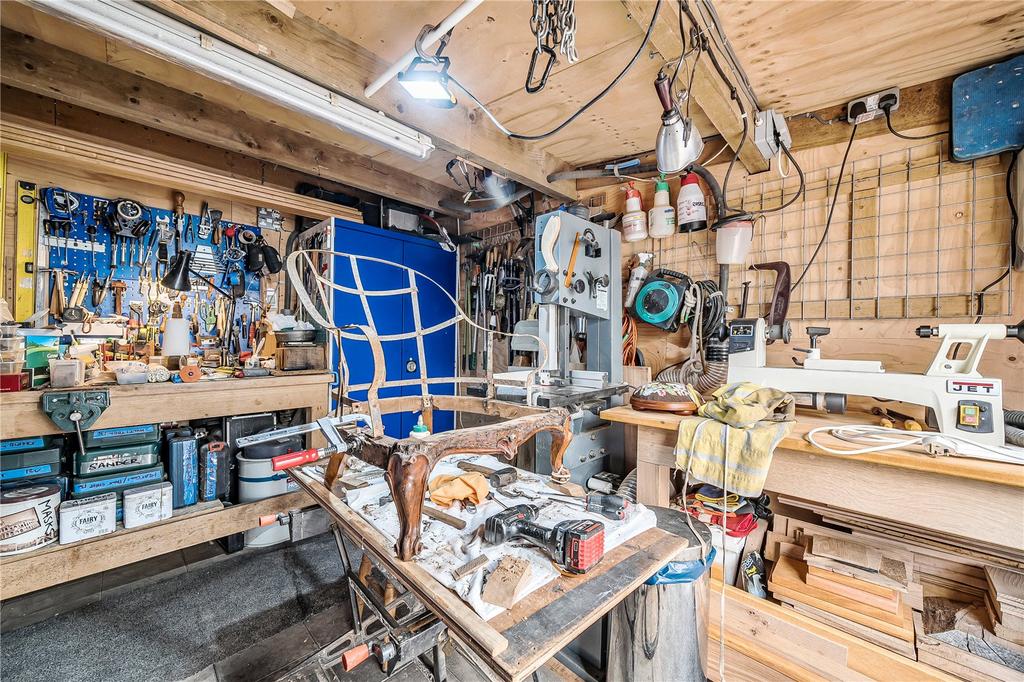
A right of way along a track to the side of the house provides access to a paved and brick courtyard, enclosed by double timber gates and offering generous parking. Arranged around the courtyard are a log store, implement store and a well-equipped workshop, together with a greenhouse and seating area.
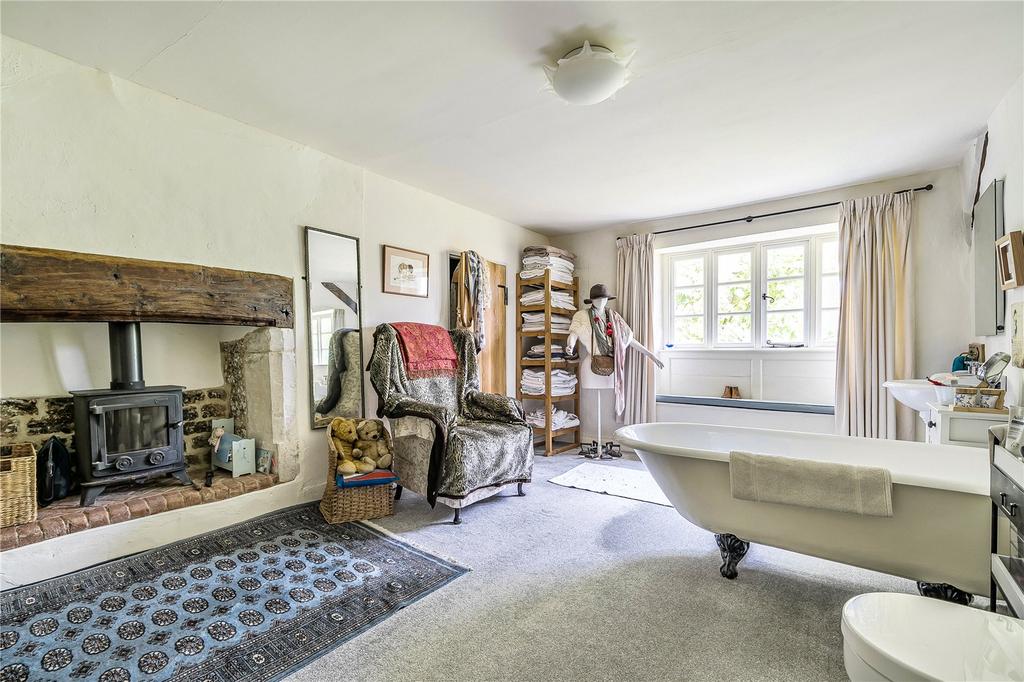
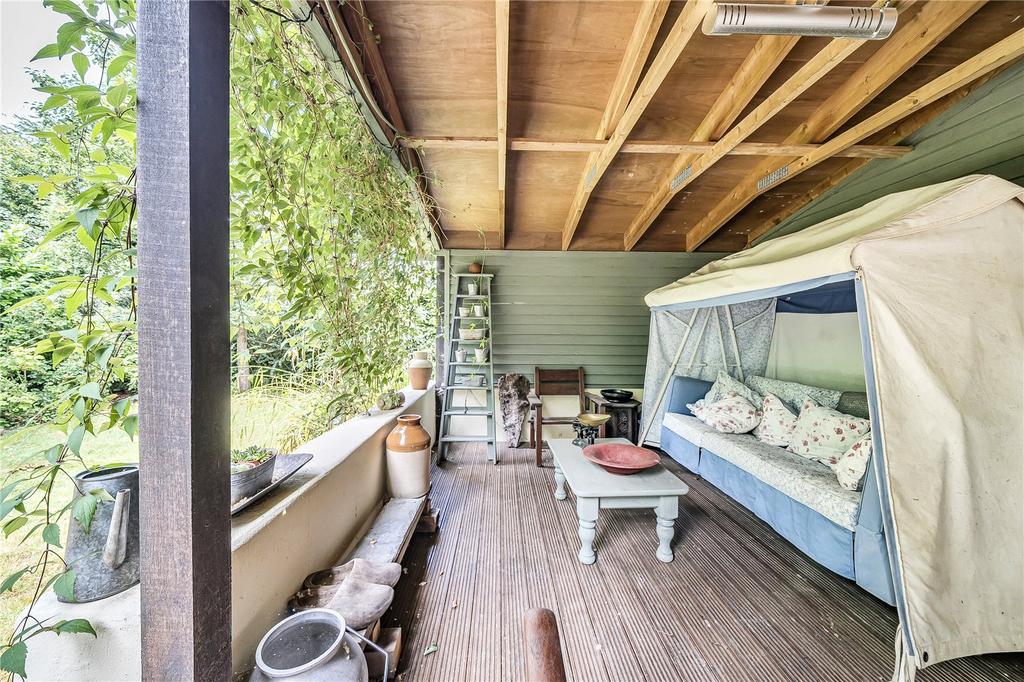
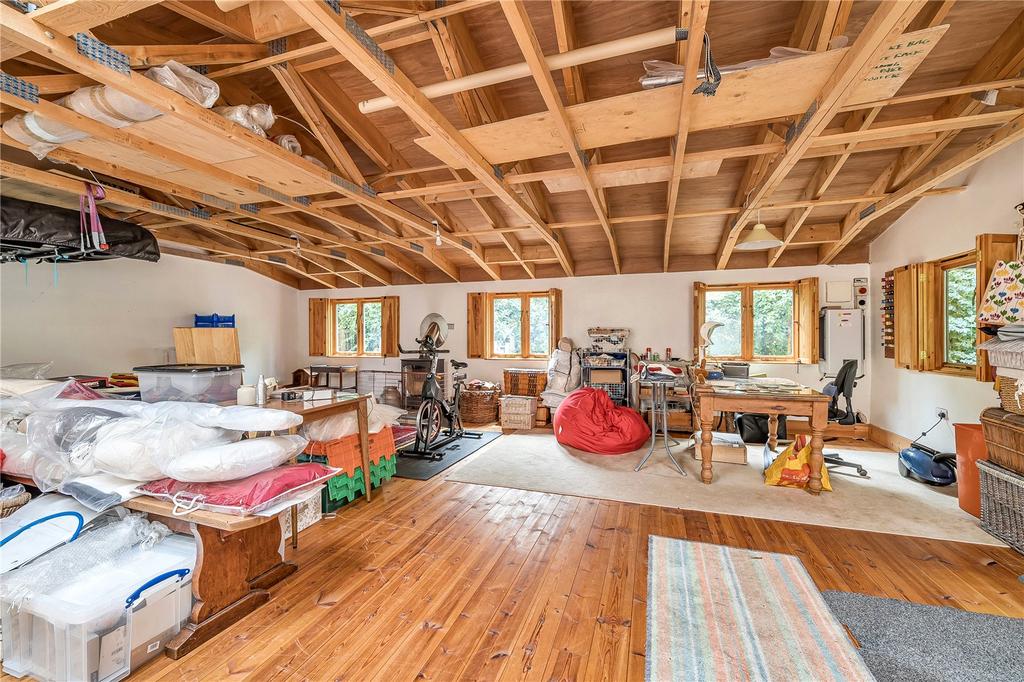
To the east of the house is a further lawned area with an orchard and several attractive specimen trees. Beyond this lies a substantial detached studio building, an impressive and versatile space featuring a covered veranda, window shutters and a wood-burning stove, suitable for a variety of uses including studio, home office or leisure space.
Location
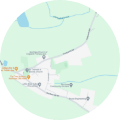
Luton Barton House stands within the small and unspoilt hamlet of Luton, enjoying a peaceful rural position on the outskirts of the popular East Devon village of Payhembury. The surrounding landscape is characterised by gently rolling countryside typical of the Blackdown Hills Area of Outstanding Natural Beauty, widely regarded as some of the county’s most attractive scenery.
Payhembury lies less than a mile away and offers a village shop, primary school, public house and an active community centred around its traditional green and historic parish church. The nearby market town of Honiton, approximately 6 miles to the south-east, provides a broader range of amenities including independent retailers, supermarkets, leisure facilities and a mainline railway station with services to London Waterloo.
Exeter, Devon’s county town, is about 16 miles to the west and offers extensive shopping, cultural and educational facilities, together with M5 access and an international airport. The area is well served by highly regarded schools, including The King’s School at Ottery St Mary and Colyton Grammar School. The Jurassic Coast World Heritage Site is within easy reach at Lyme Bay, approximately 15 miles to the south.
Directions
///building.outright.reverted
Additional Info
Mains water and electricity.
Photovoltaic panels providing a significant reduction in electricity costs.
Private drainage via a modern treatment plant installed approximately five years ago.
Oil-fired central heating.
Description
Believed to have been constructed during the latter half of the 15th century, Luton Barton House began life as a traditional open Hall House, a rare survival from the earliest period of domestic architecture in the region. Two smoke-blackened roof trusses remain as compelling evidence of its medieval origins, from a time when an open hearth formed the heart of the home.
Over the centuries, the house has been adapted and extended, with the insertion of fireplaces and upper floors thought to date from the late 16th or early 17th century.
The principal reception rooms are rich in period detail. The sitting room is centred around an impressive inglenook fireplace with a substantial stone lintel, reputedly reclaimed from Dunkeswell Abbey, supported by Beerstone jambs. The dining room is equally notable, featuring an exceptionally rare moulded cross-beam ceiling and a further inglenook fireplace with a chamfered bressummer beam.
Elsewhere within the house are the remains of a possible 17th-century bread oven, an Elizabethan window recess within the kitchen and exposed cruck framing to the first floor. The property is constructed of traditional cob and rubble elevations, finished in lime render, which provides excellent thermal performance throughout the year.
The roof, thatch and structural timbers to the upper floors were comprehensively rebuilt approximately 35 years ago. The thatched roof is protected by a Thatch Alert system incorporating heat sensors, automatic fire suppression within the loft space and a comprehensive fire and smoke detection network.
Gardens & Grounds
The house is approached through wrought-iron entrance gates opening onto a gravelled driveway, bordered by areas of lawn and a number of mature trees. The principal gardens lie to the rear of the property and extend to approximately 0.6 acre in total.
A right of way along a track to the side of the house provides access to a paved and brick courtyard, enclosed by double timber gates and offering generous parking. Arranged around the courtyard are a log store, implement store and a well-equipped workshop, together with a greenhouse and seating area.
To the east of the house is a further lawned area with an orchard and several attractive specimen trees. Beyond this lies a substantial detached studio building, an impressive and versatile space featuring a covered veranda, window shutters and a wood-burning stove, suitable for a variety of uses including studio, home office or leisure space.
Location
Luton Barton House stands within the small and unspoilt hamlet of Luton, enjoying a peaceful rural position on the outskirts of the popular East Devon village of Payhembury. The surrounding landscape is characterised by gently rolling countryside typical of the Blackdown Hills Area of Outstanding Natural Beauty, widely regarded as some of the county’s most attractive scenery.
Payhembury lies less than a mile away and offers a village shop, primary school, public house and an active community centred around its traditional green and historic parish church. The nearby market town of Honiton, approximately 6 miles to the south-east, provides a broader range of amenities including independent retailers, supermarkets, leisure facilities and a mainline railway station with services to London Waterloo.
Exeter, Devon’s county town, is about 16 miles to the west and offers extensive shopping, cultural and educational facilities, together with M5 access and an international airport. The area is well served by highly regarded schools, including The King’s School at Ottery St Mary and Colyton Grammar School. The Jurassic Coast World Heritage Site is within easy reach at Lyme Bay, approximately 15 miles to the south.
Directions
///building.outright.reverted
Additional Info
Mains water and electricity.
Photovoltaic panels providing a significant reduction in electricity costs.
Private drainage via a modern treatment plant installed approximately five years ago.
Oil-fired central heating.
Property information from this agent
Area statistics
Crime score
Low crime
0/10
Home prices (average)
4 bedroom detached houses
£566,391
£566,391
About this agent

At Savills Exeter we value, buy, sell and help develop properties for clients across the board, ranging from private individuals to hotel and leisure developers; estate owners and farmers; and from the healthcare industry to the public sector. Our coverage is vast, reaching from our base in the city to all of Devon and Cornwall, plus parts of Somerset and Dorset, too. Most visited website Savills.co.uk is the most visited UK national estate agency website, averaging over 2.4 million visits a month in 2020, and recording over 3.1 million visits in January 2021. Global exposure Our site is available in 22 languages including English, Chinese, Spanish and Russian. This guarantees your property will have the global exposure it deserves as well as providing access to more buyers via our website. Put simply, because we get more qualified visits, you get more opportunities to sell.