
 Floorplan
 Map
Map Area stats
5 bedroom townhouse for sale
John Adam Street, Strand WC2
Added yesterday
Townhouse
5 beds
3 baths
2863
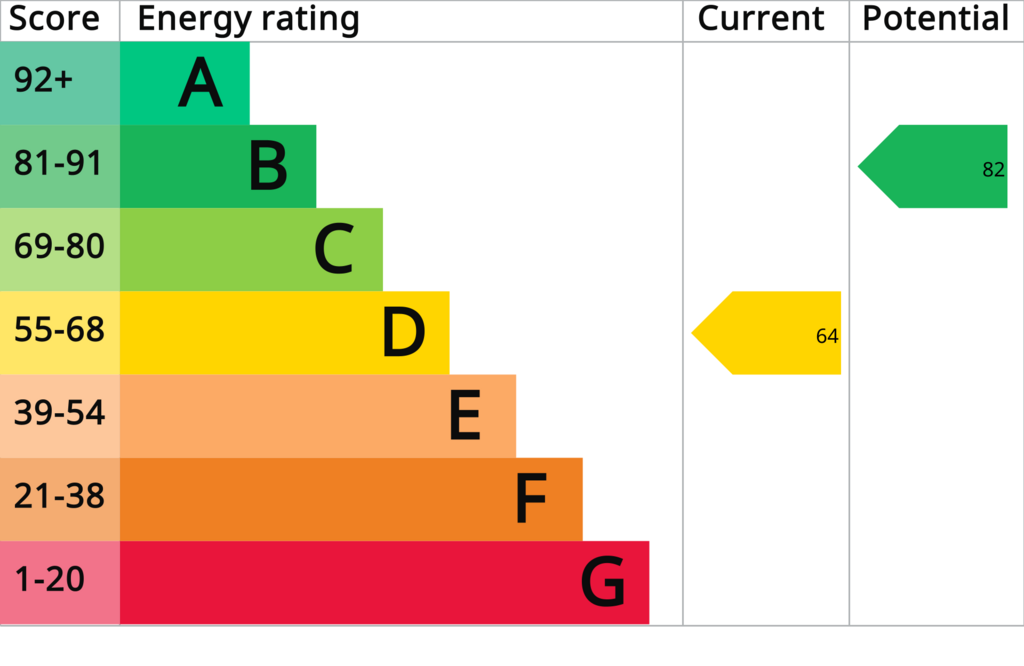
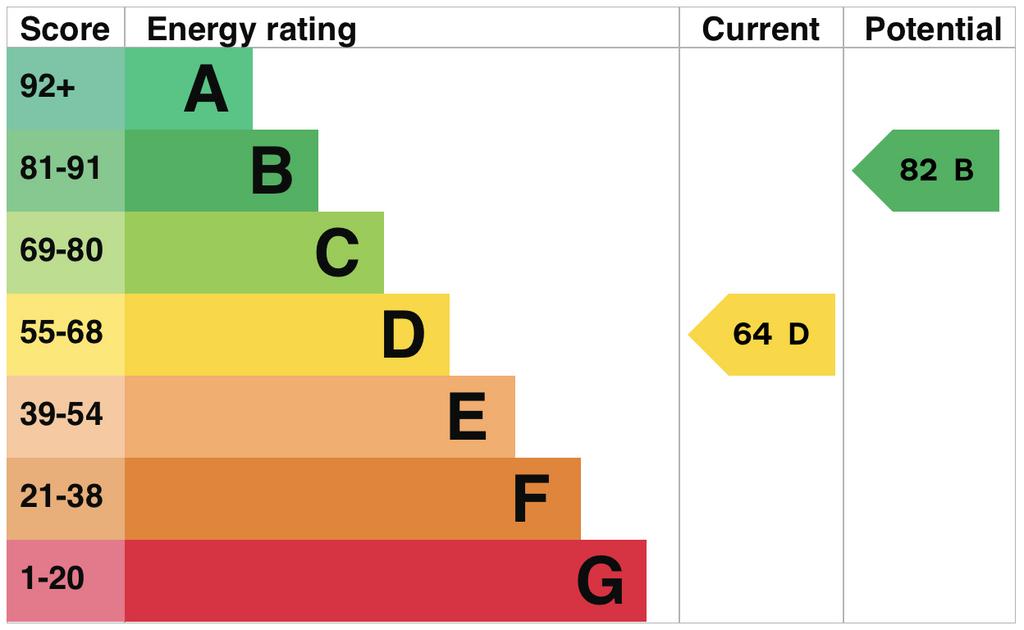
EPC rating: D
Key information
Features and description
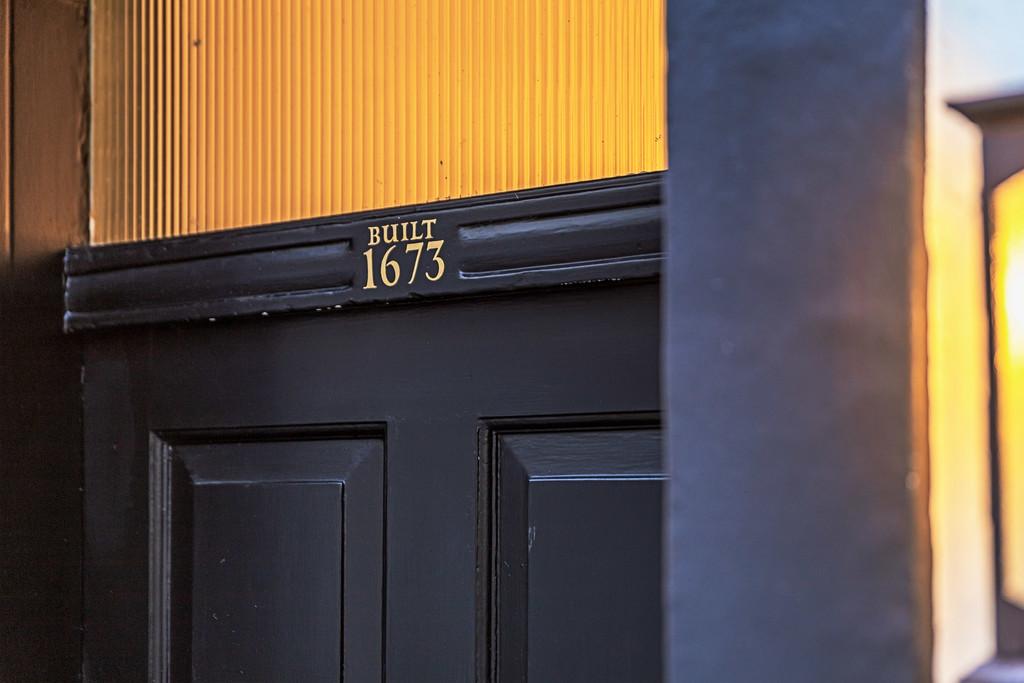
- Historic Town House Built In 1673
- Grade II Listed
- Four / Five Bedrooms
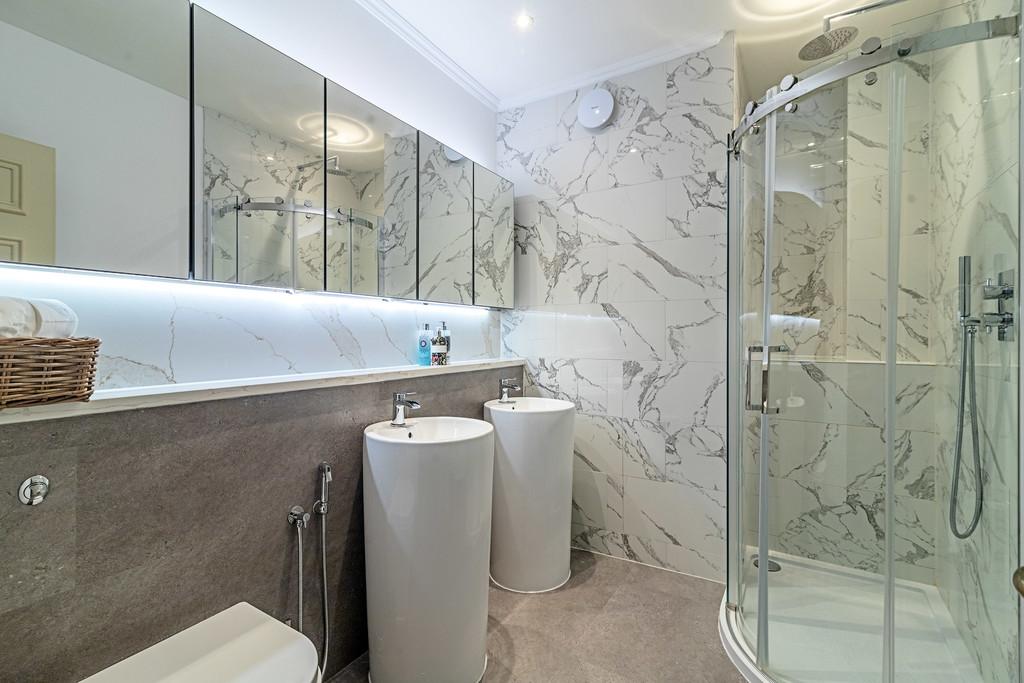
- Three Bathrooms
- Four Reception Rooms
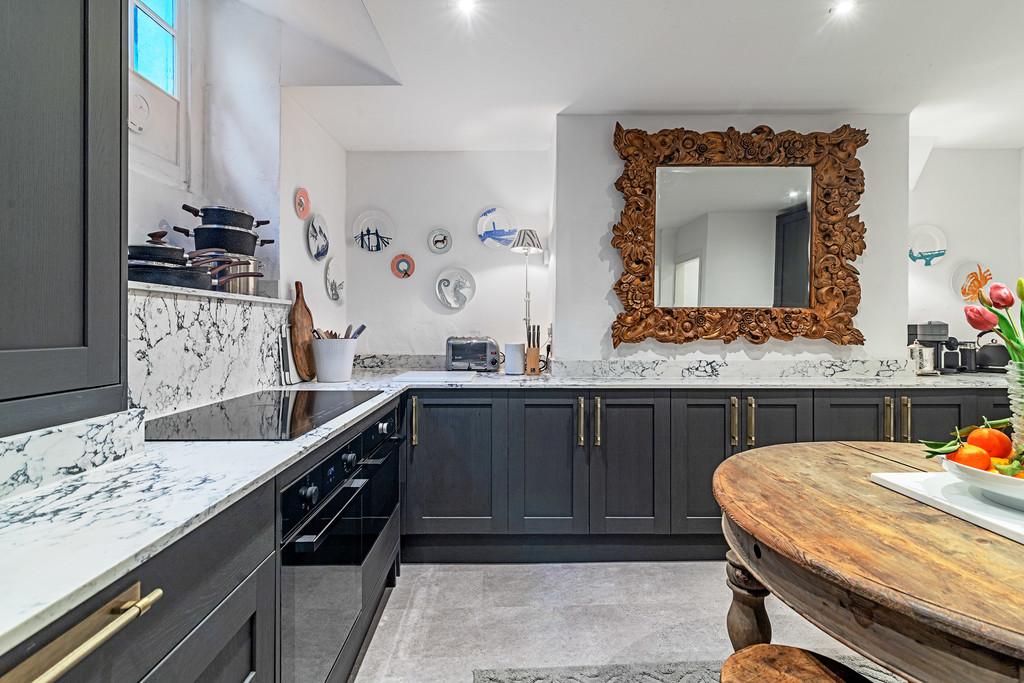
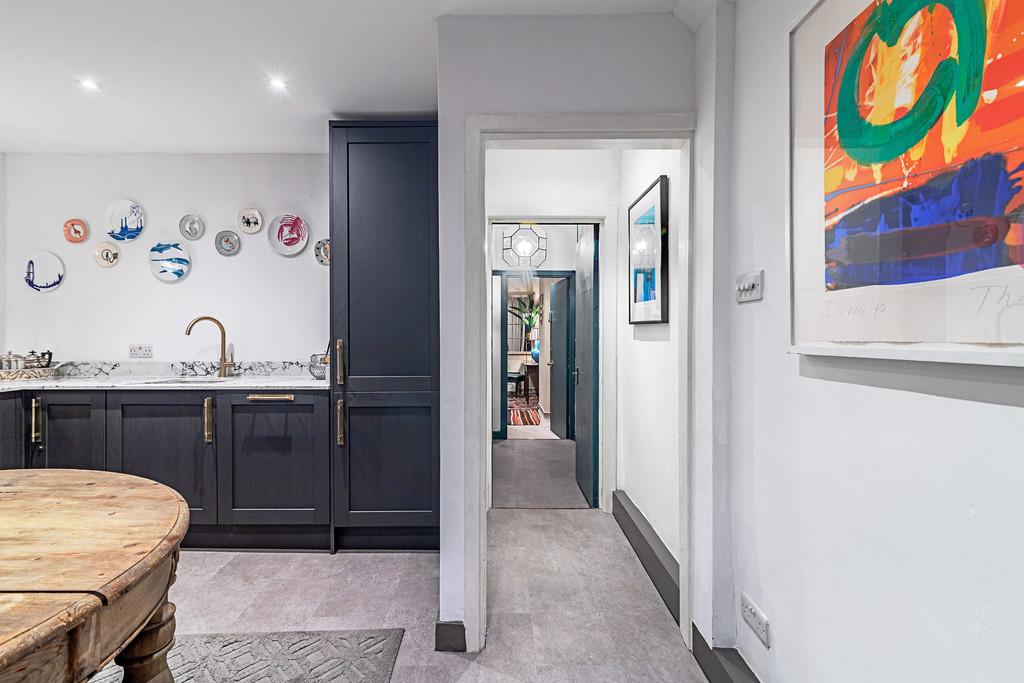
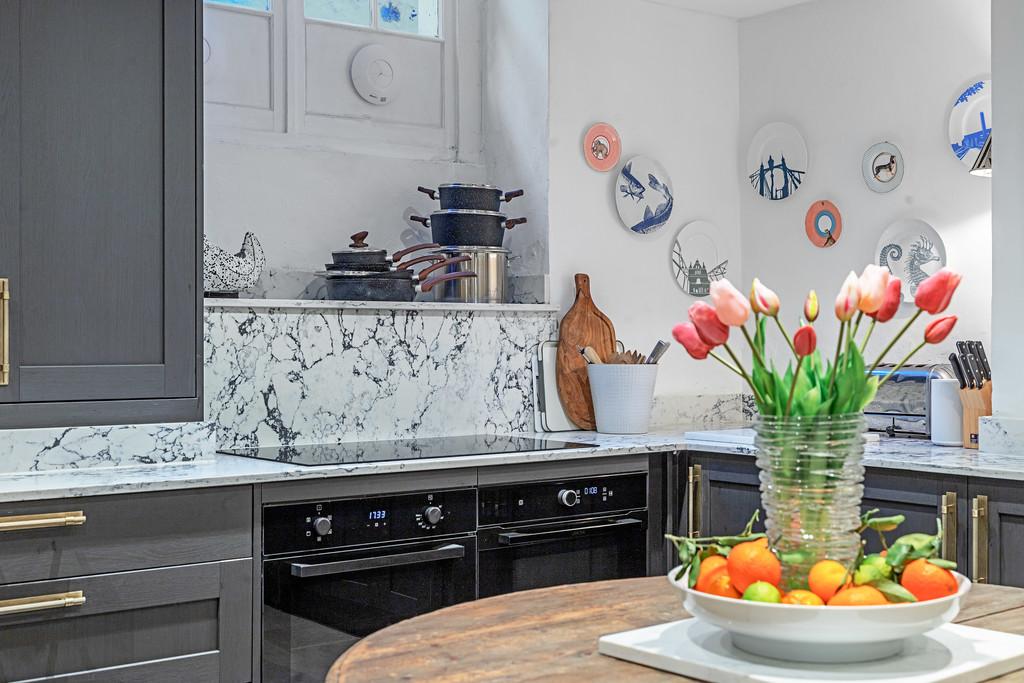
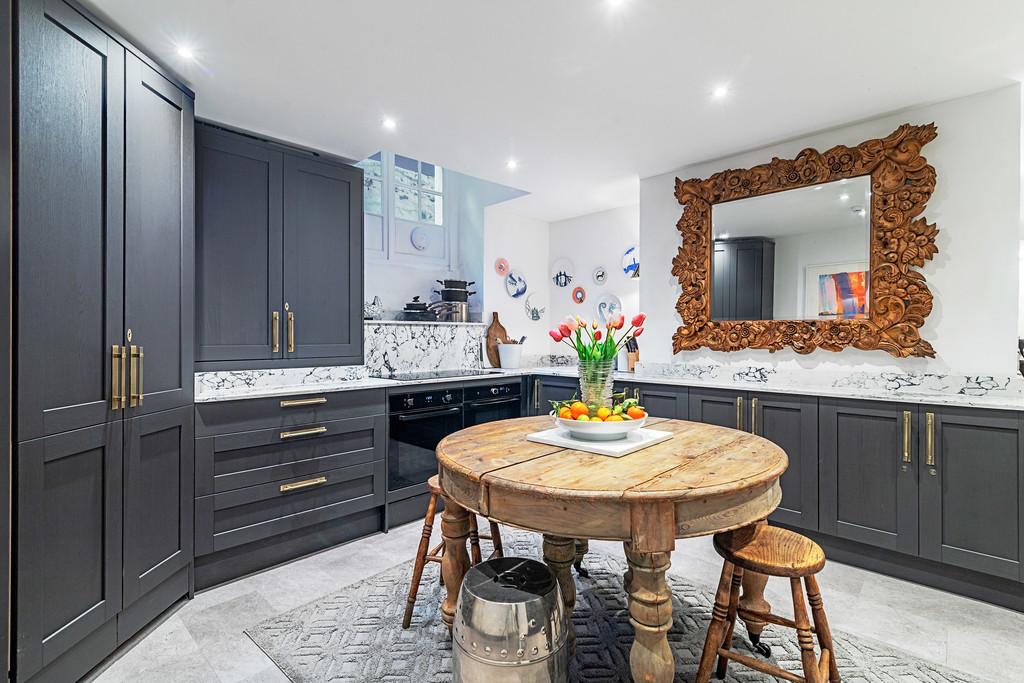
- Generous Eat-In Kitchen
- An Abundance of Period Features
- Adjacent to Victoria Embankment Gardens
- Recently Completed Restoration
- Freehold
Built in 1673, long before the 'modern' Embankment gave the Thames its current straight edge, No. 21 John Adam Street is a classic London townhouse located within what is now known as the Adelphi Conservation Area and Grade II listed, recognised by conservationists for the simple rarity of having made it to the 21st century with much of its original character still intact. Bowman House has been in the same private family ownership since 1984, serving as an office building for a number of decades.
Planning consent was granted in 2022 by The City Of Westminster to convert it back to a single family dwelling, with the conversion recently completed and this genuine piece of history being returned to its former glory.
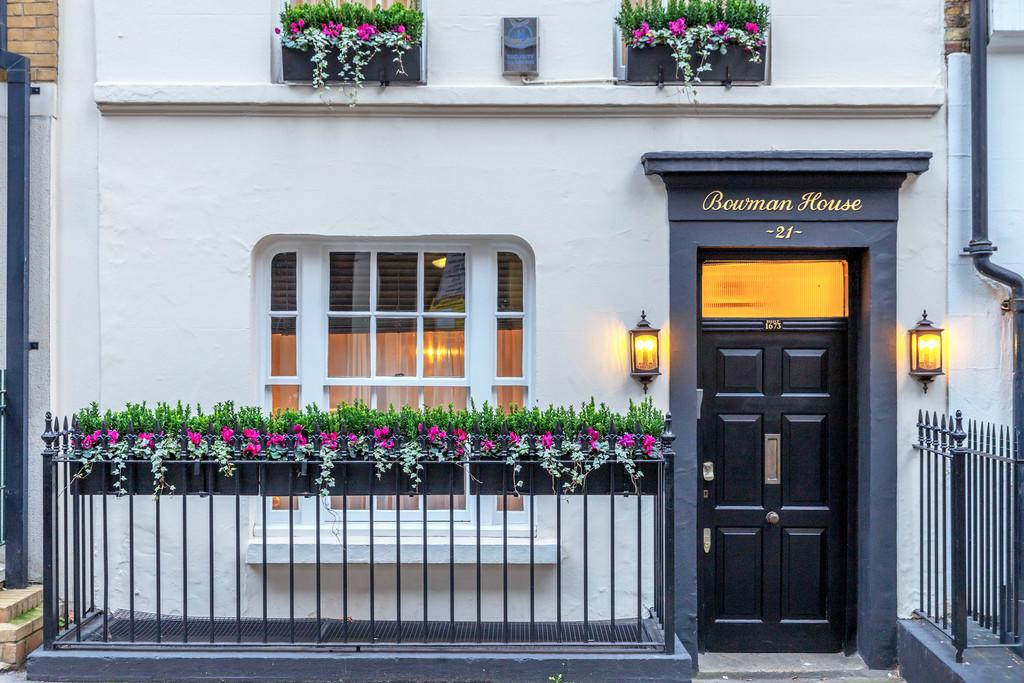
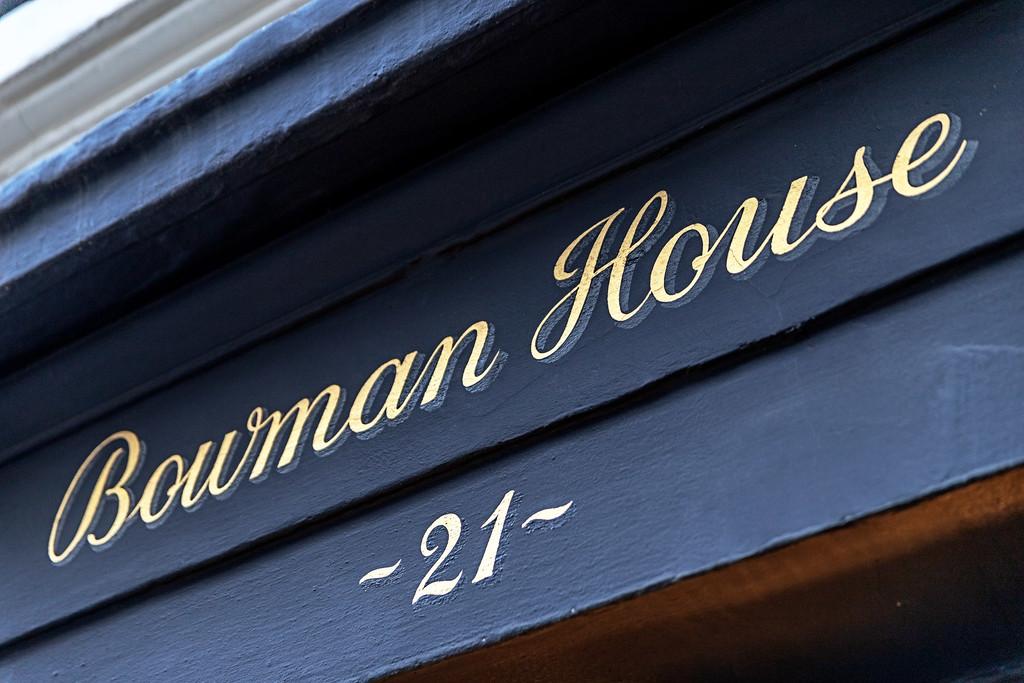
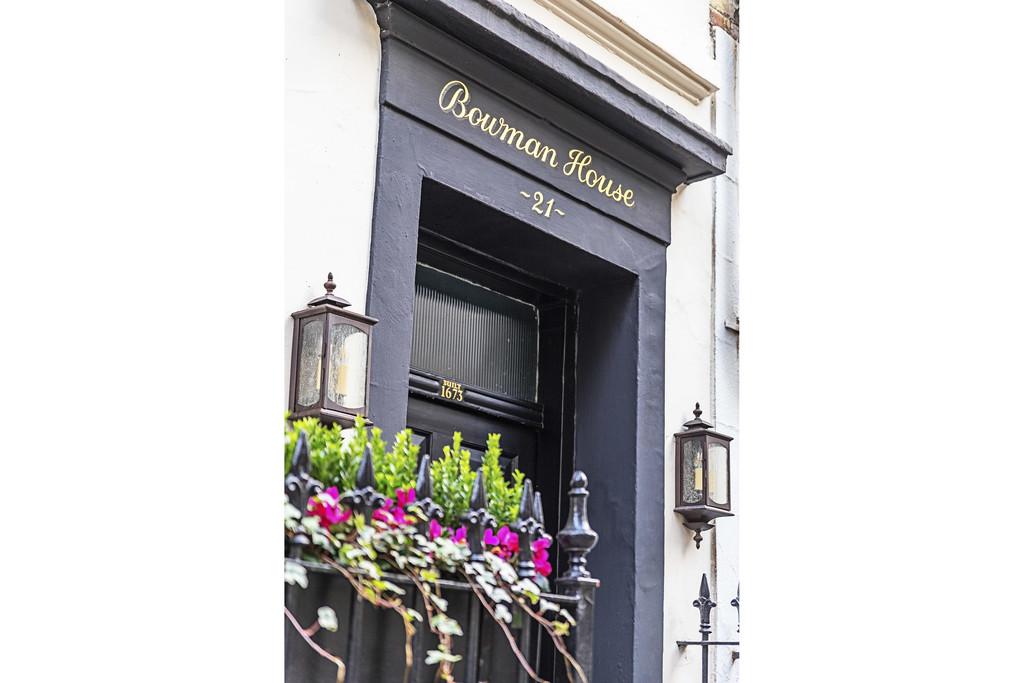
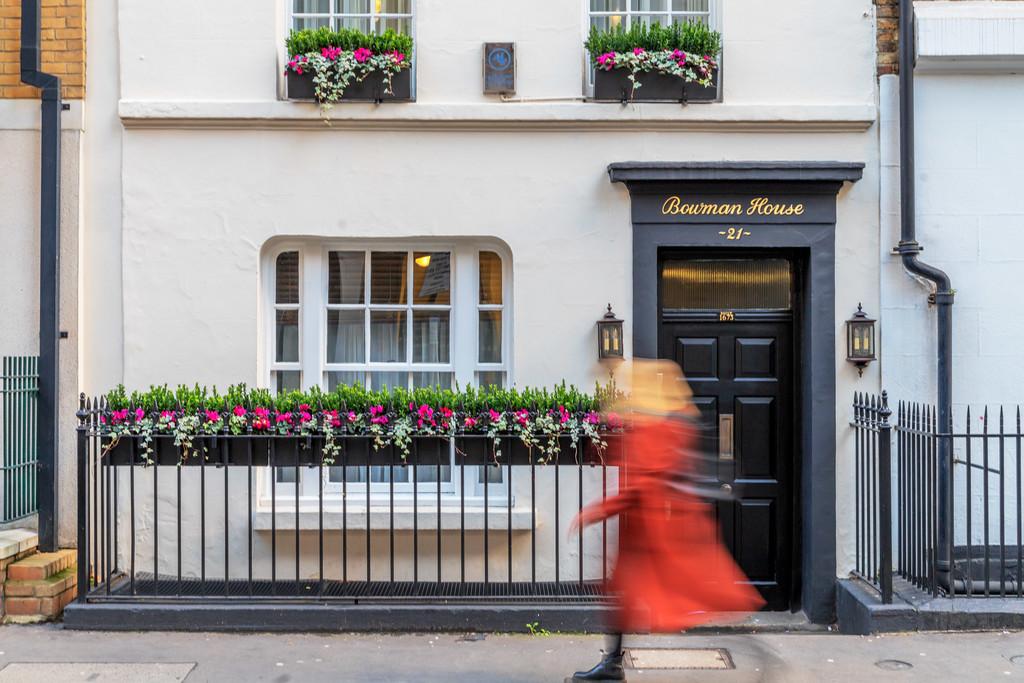
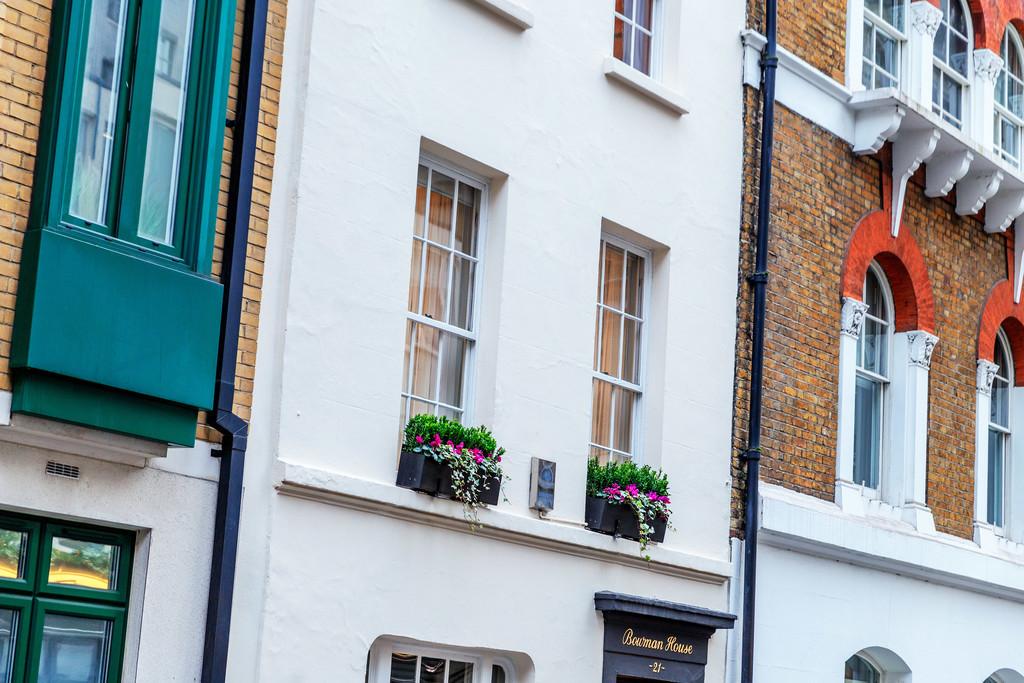
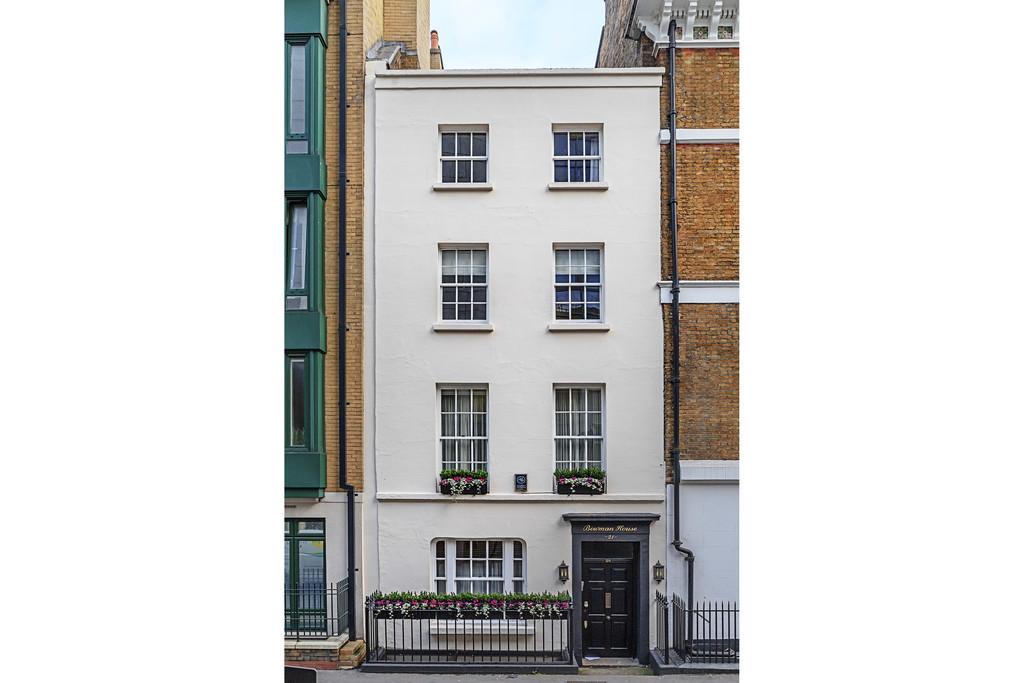
The exterior front elevation of Bowman House has been painstakingly refurbished, bringing it back to its former glory, with beautiful original period details and wonderful hand painted script on and around the front door.
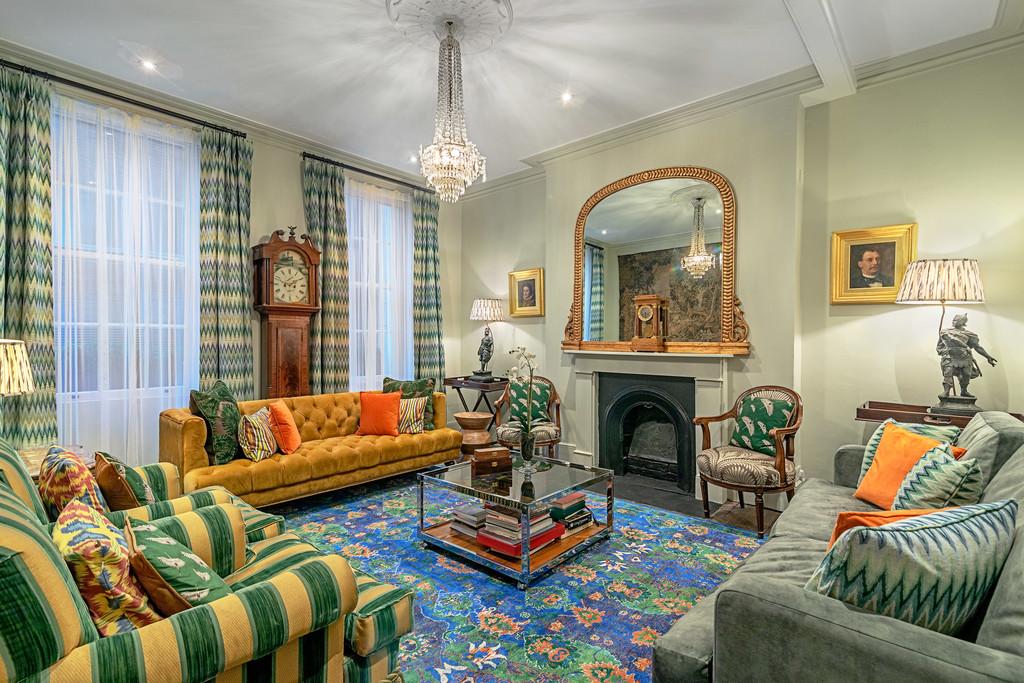
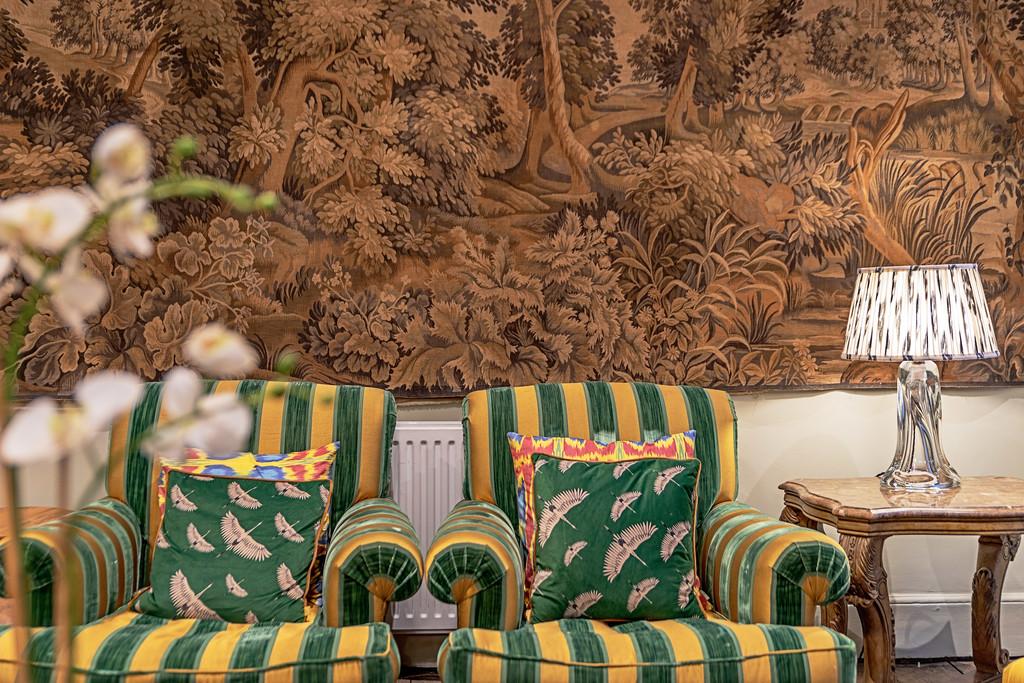
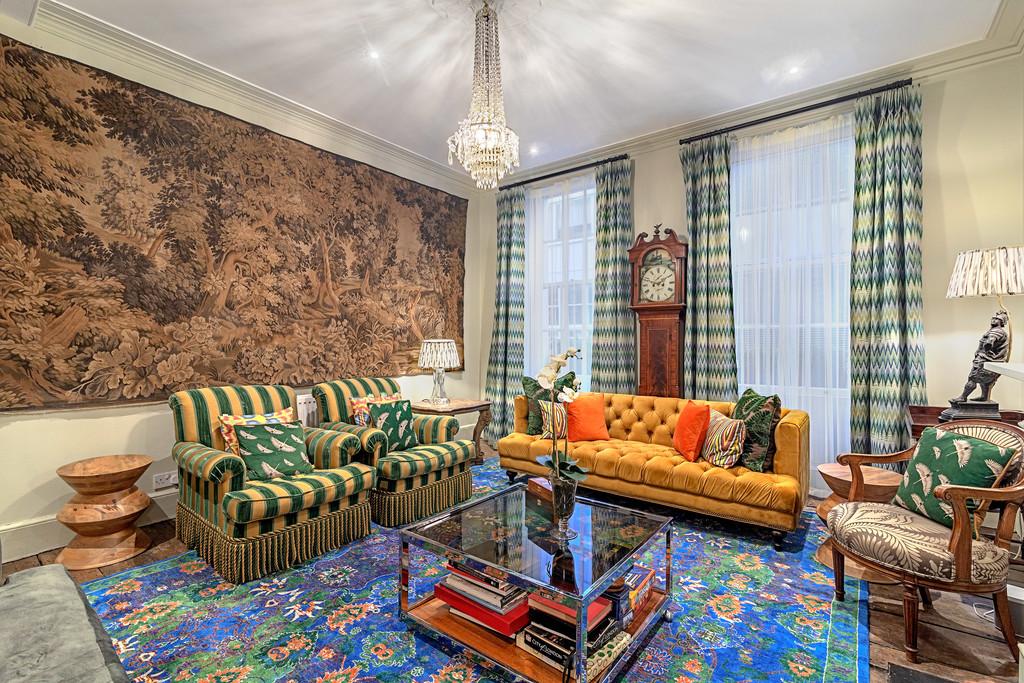
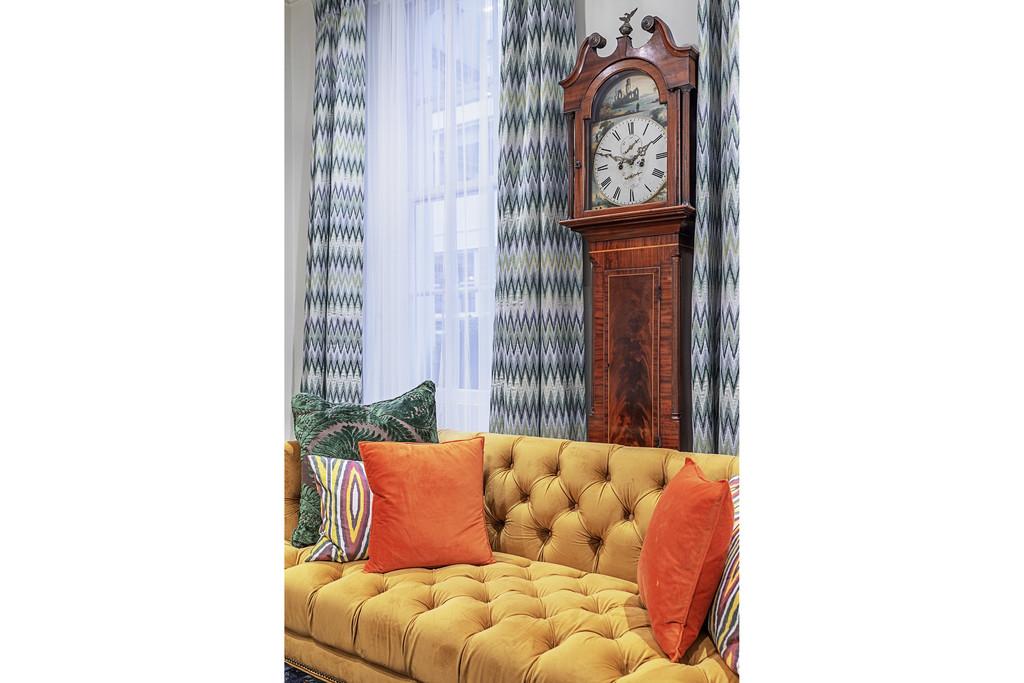
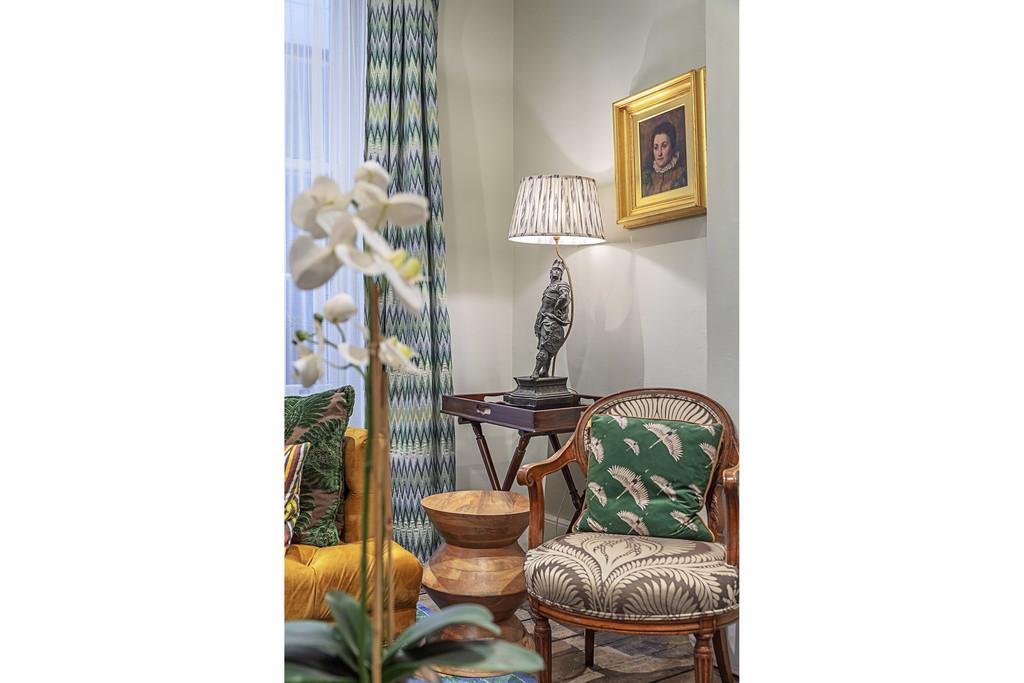
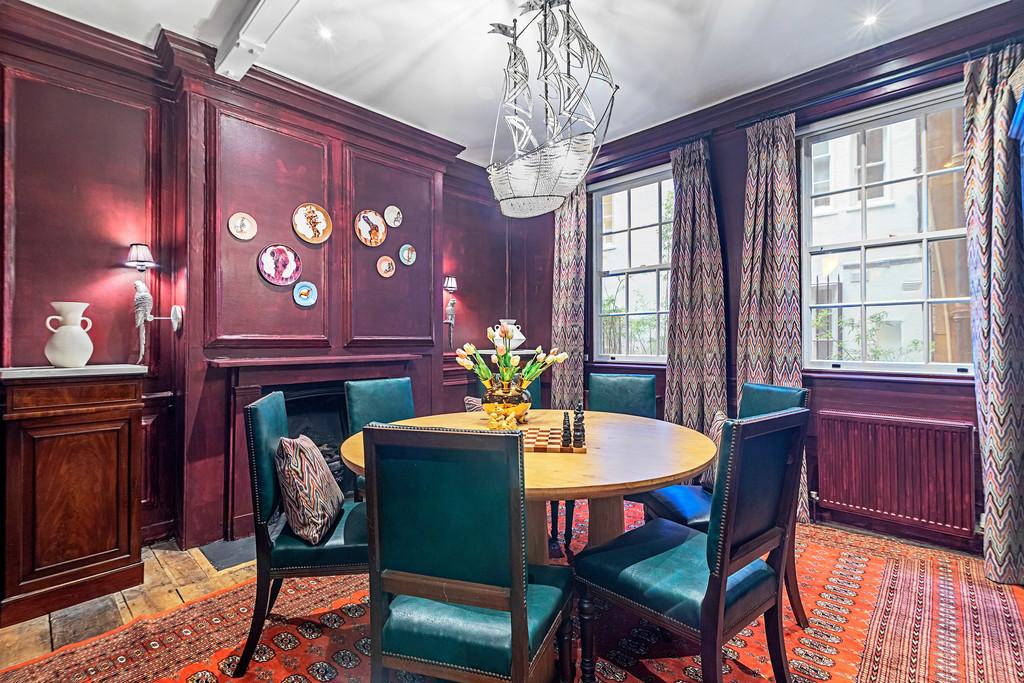
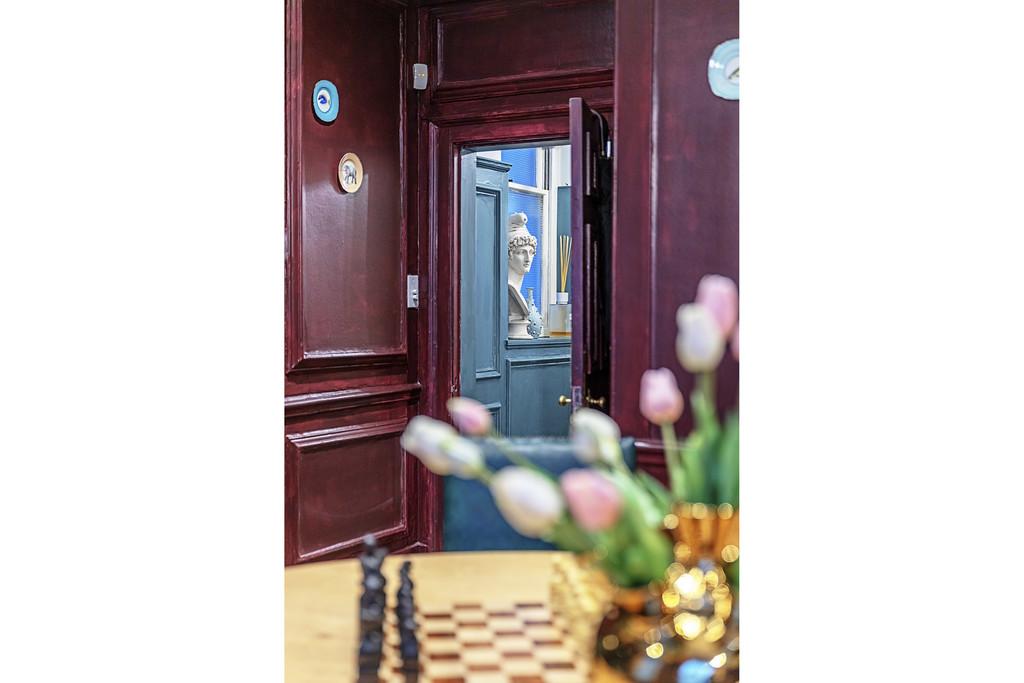
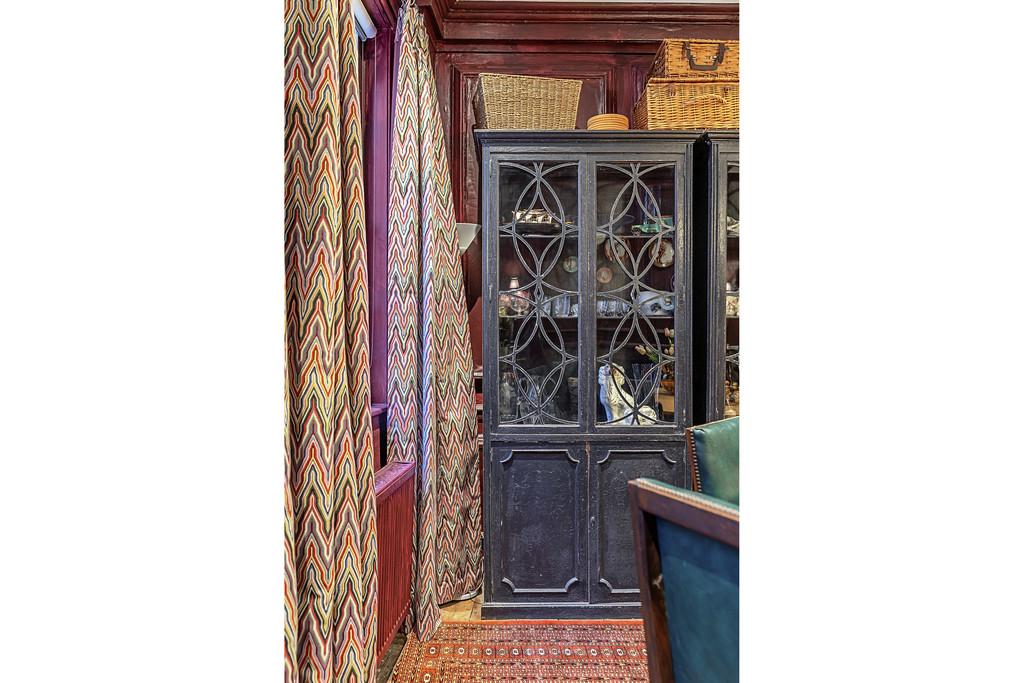
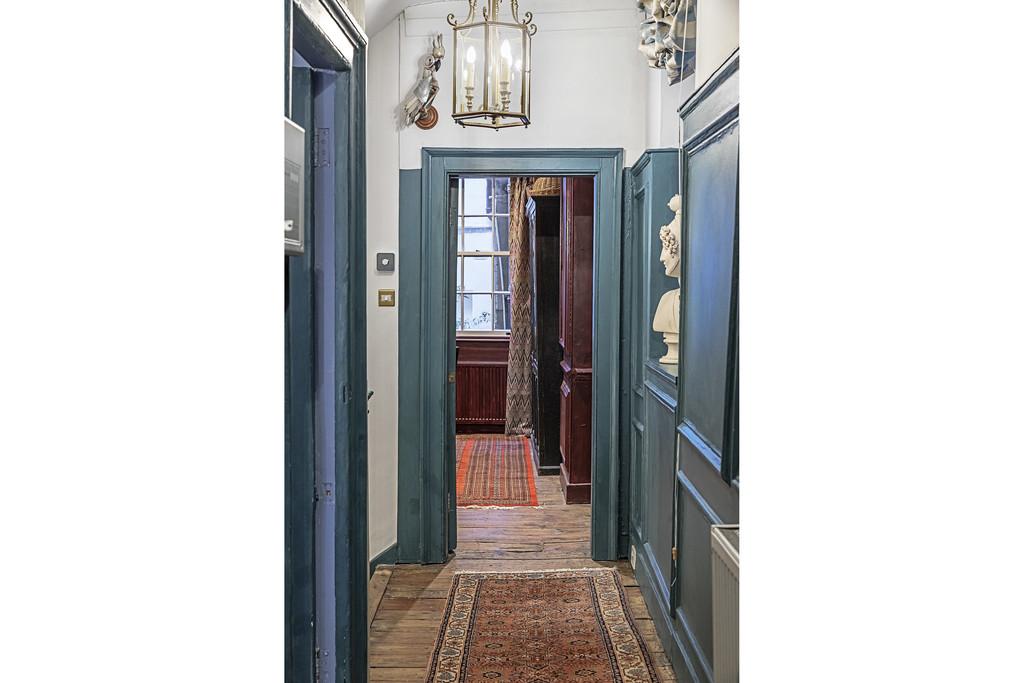
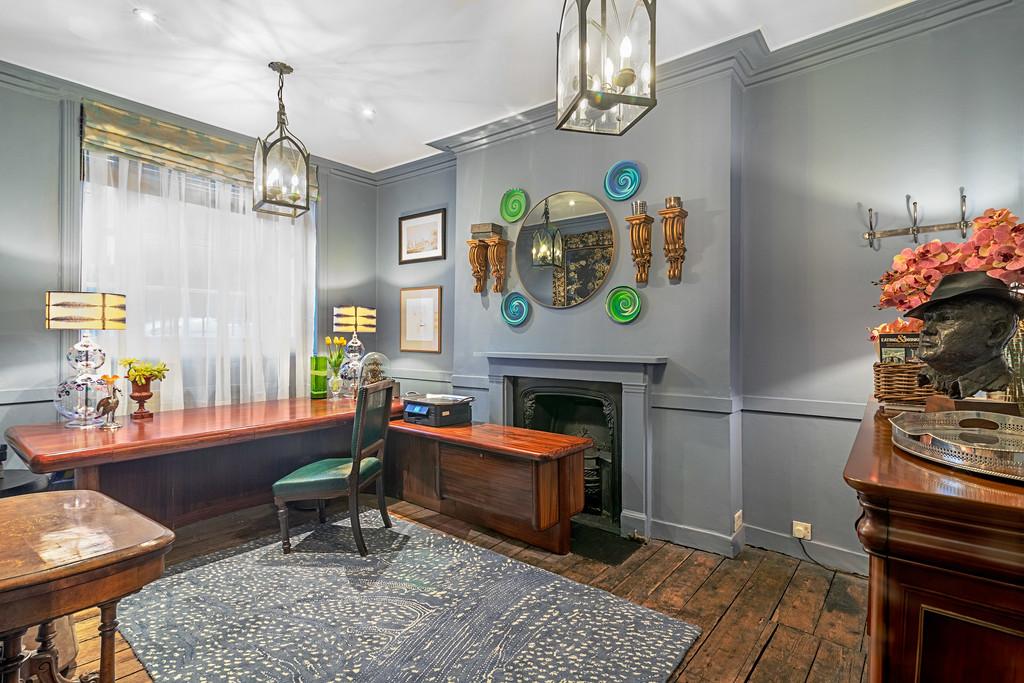
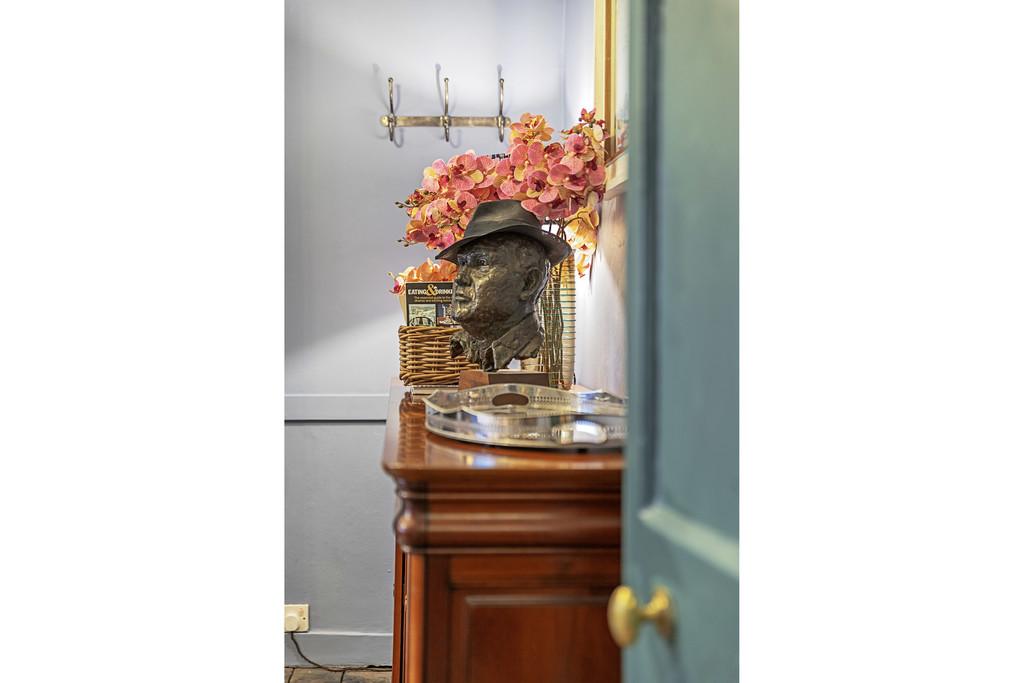
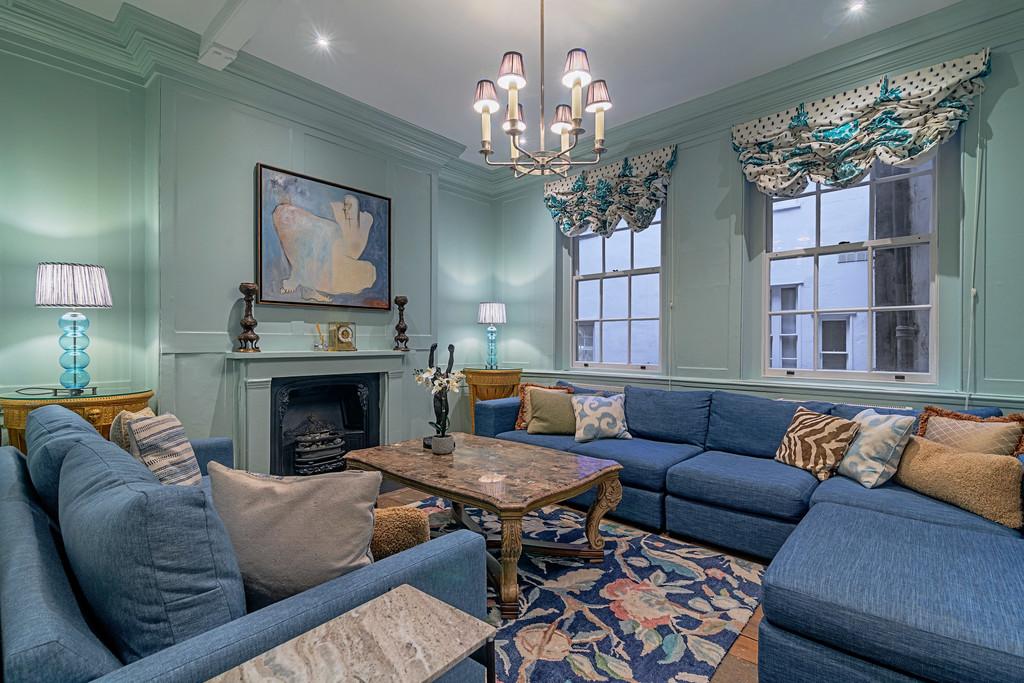
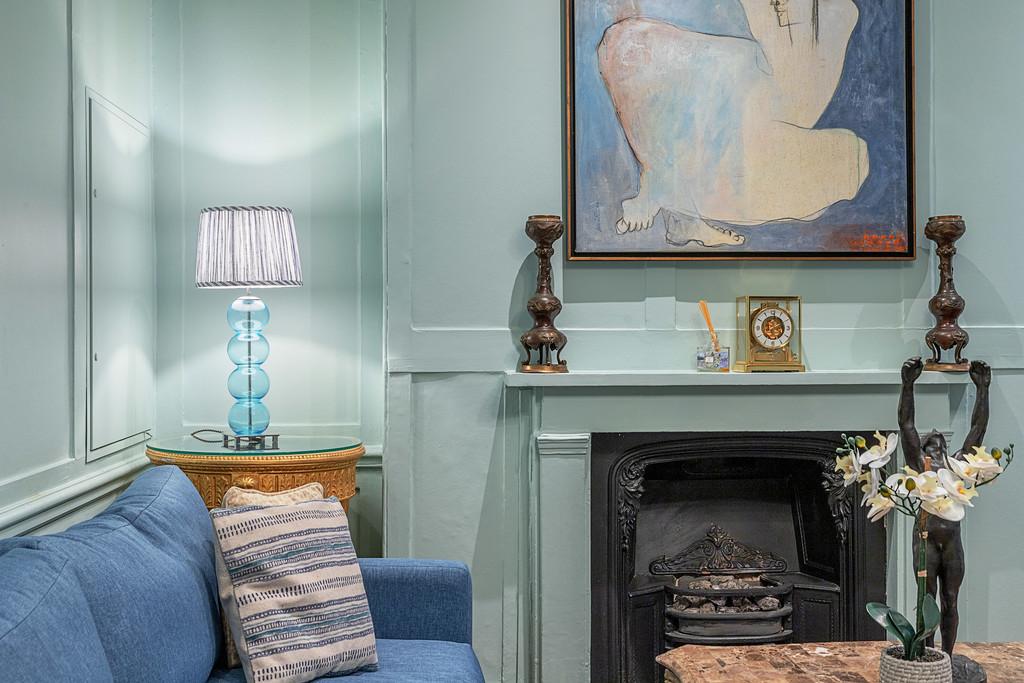
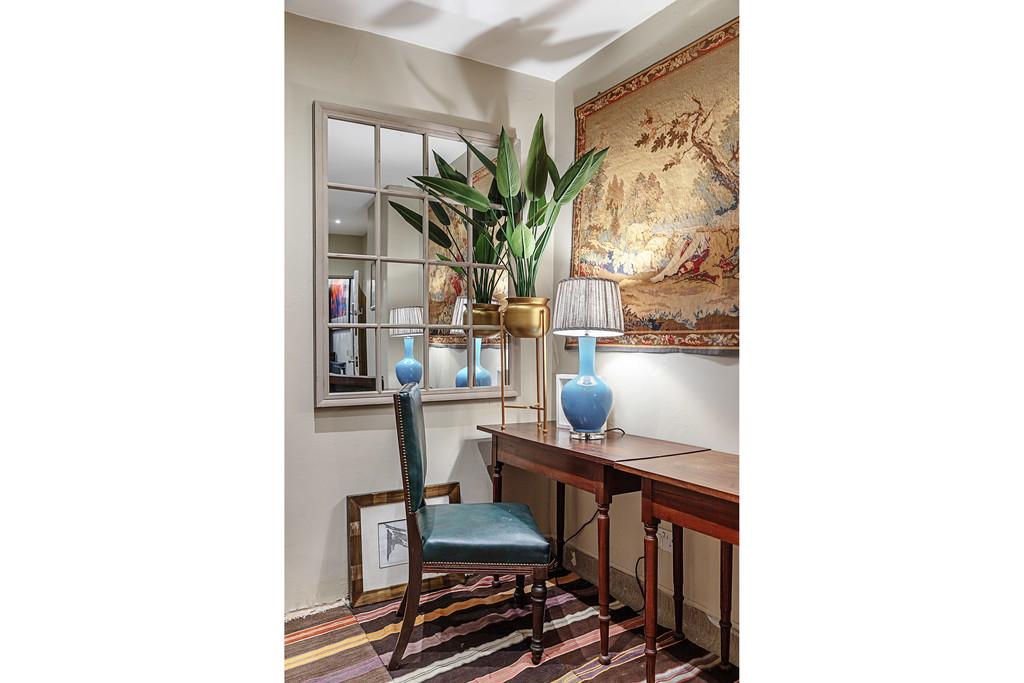
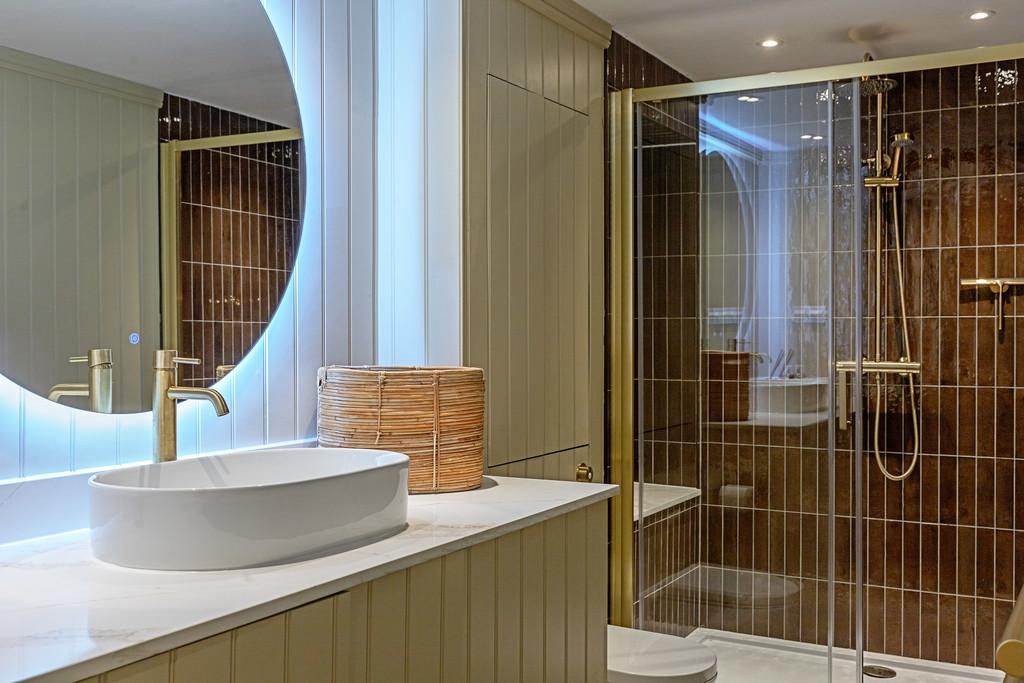
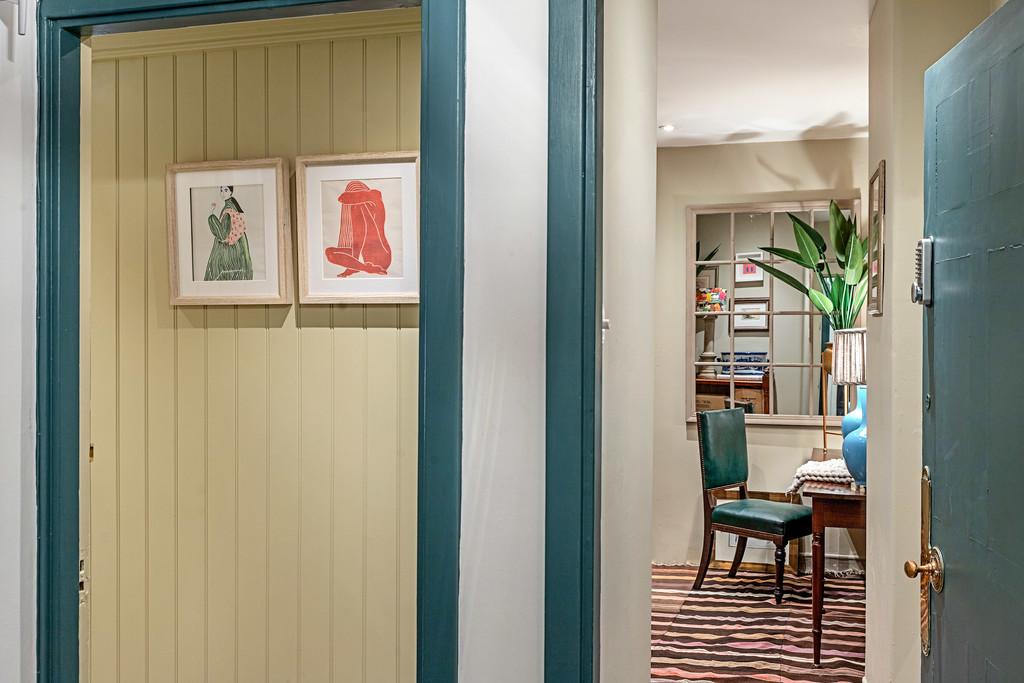
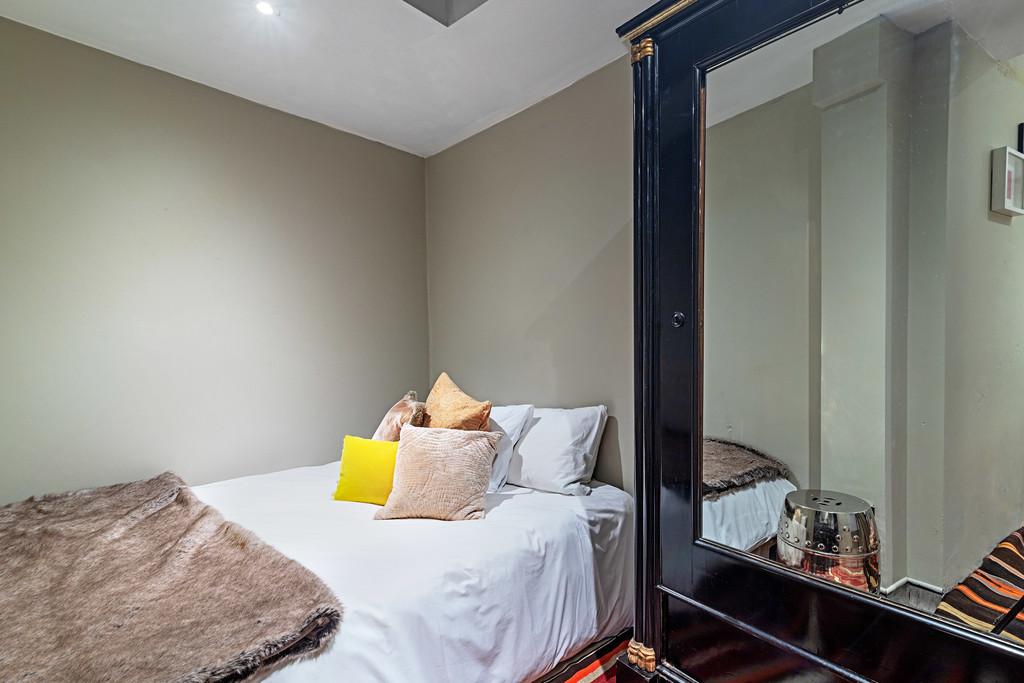
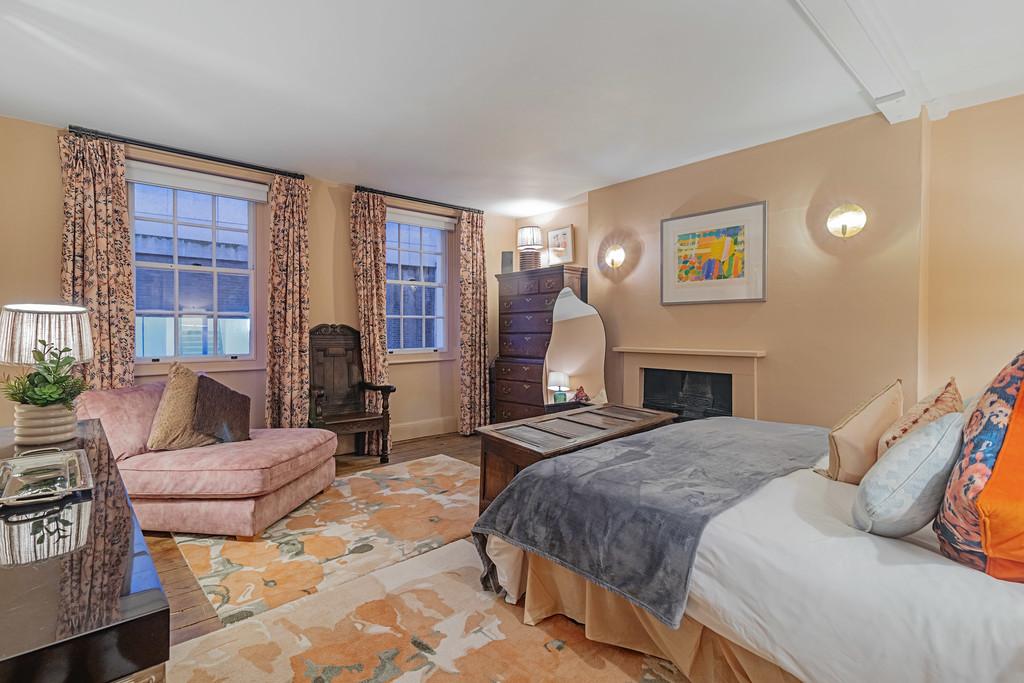
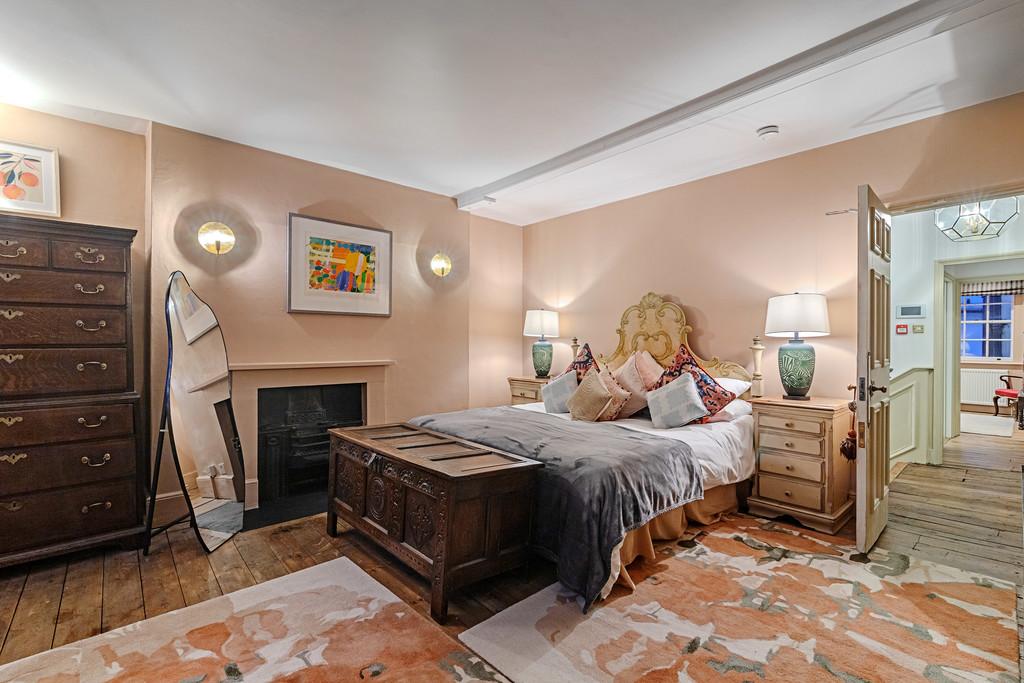
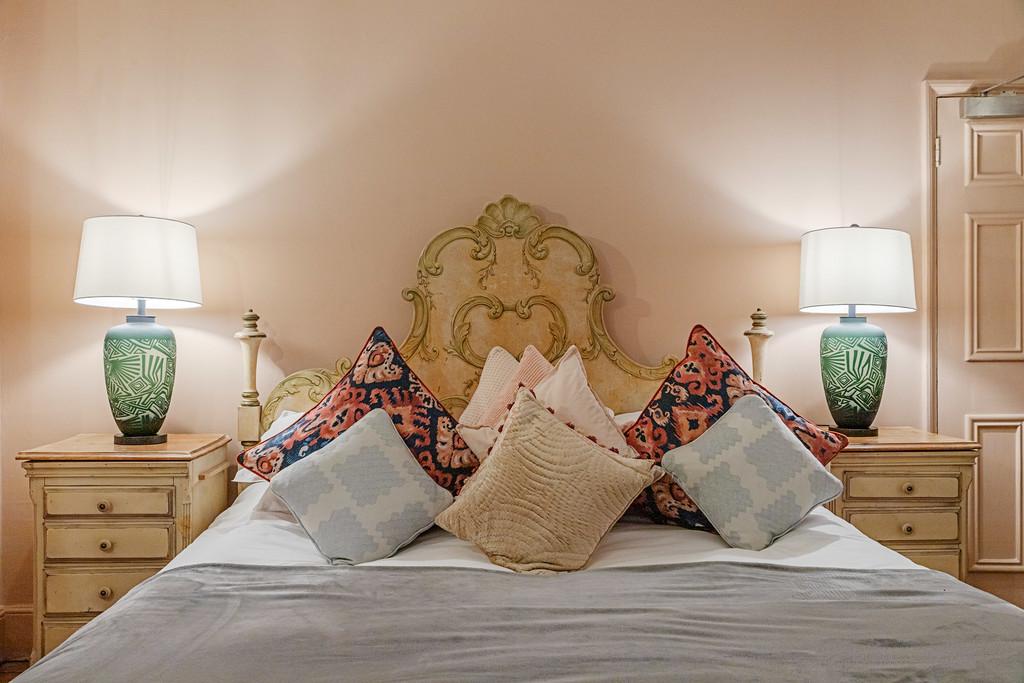
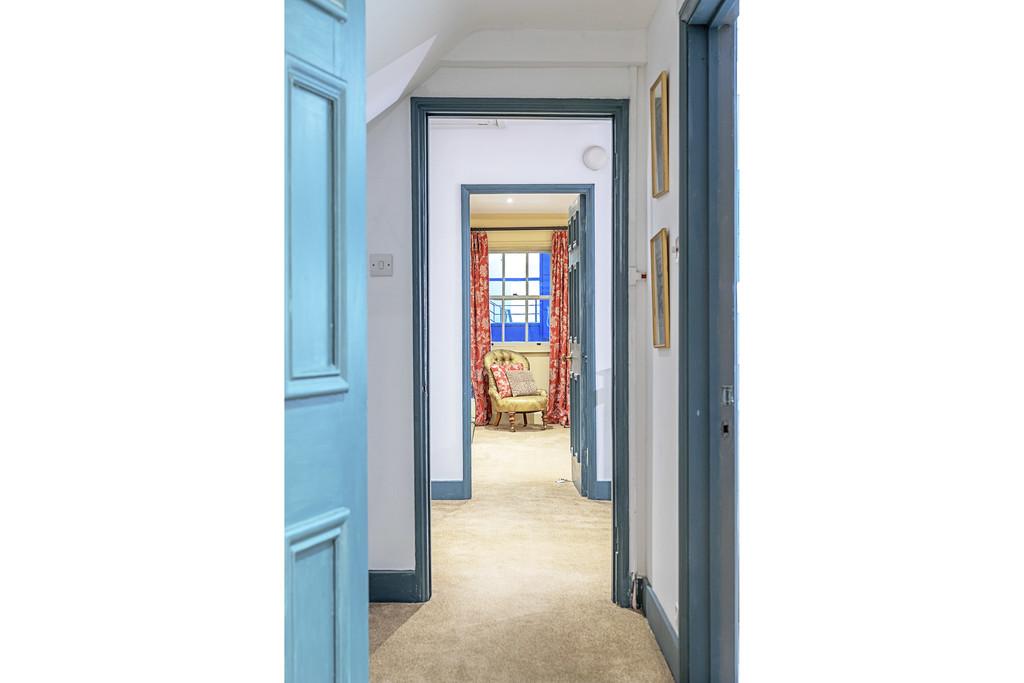
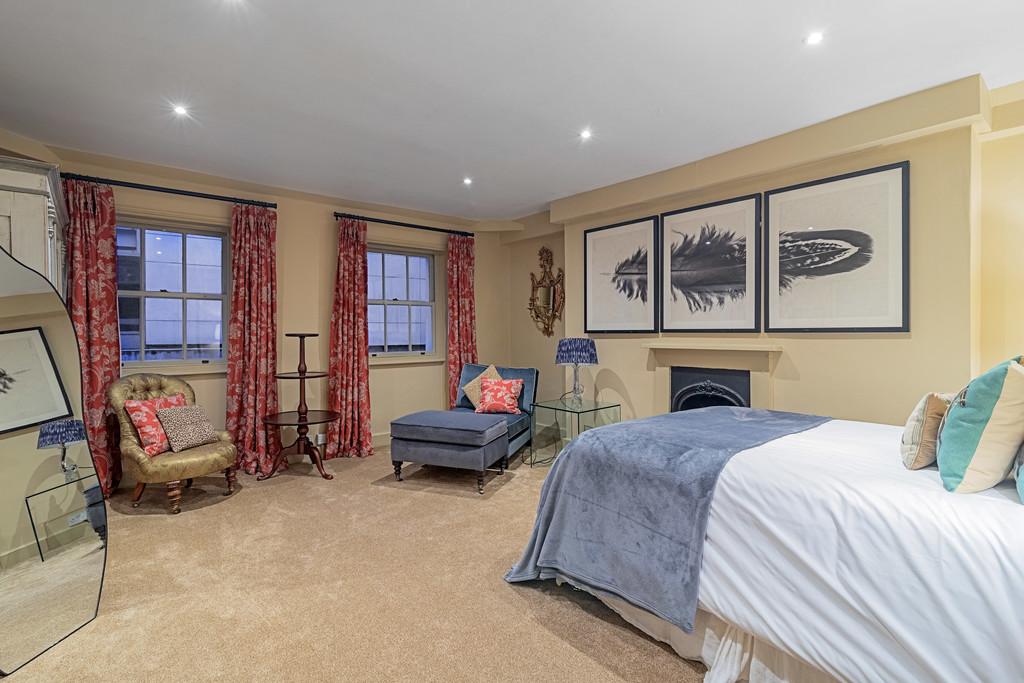
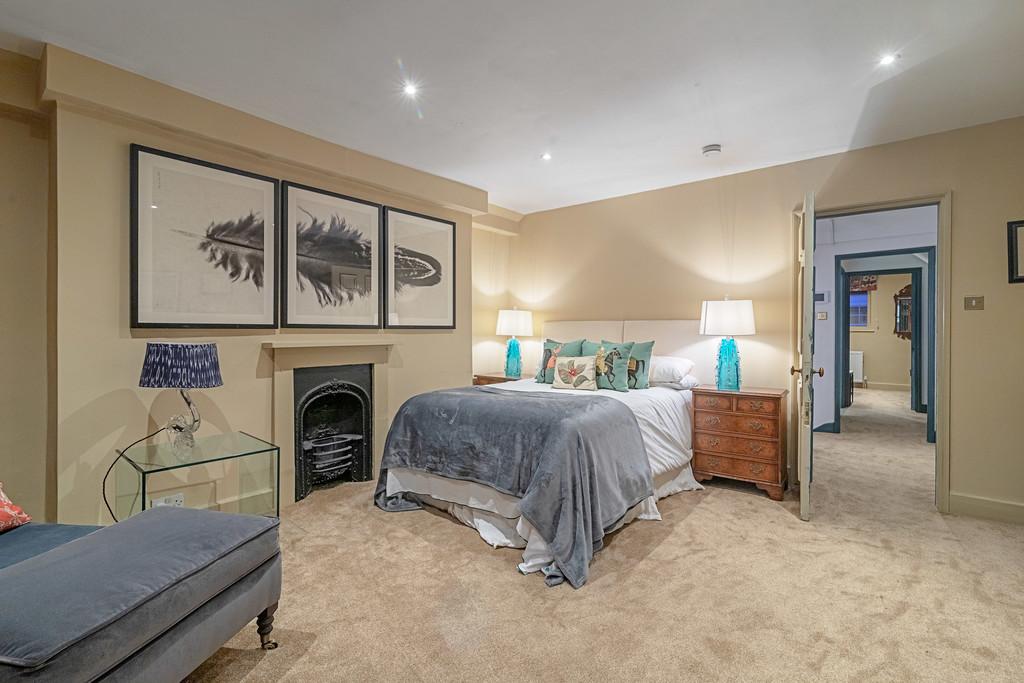
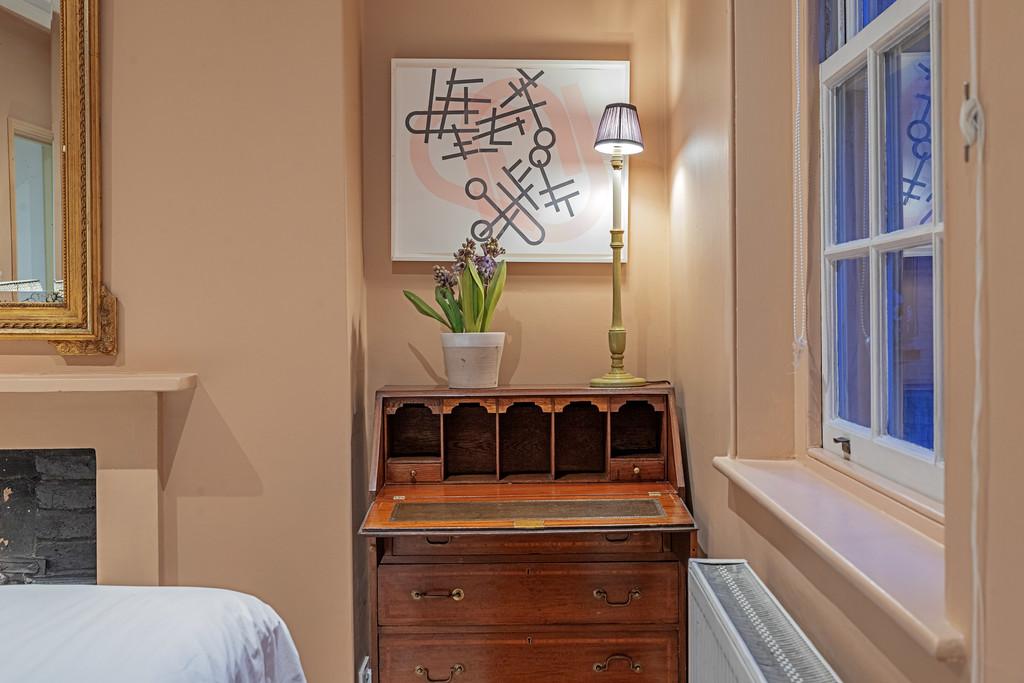
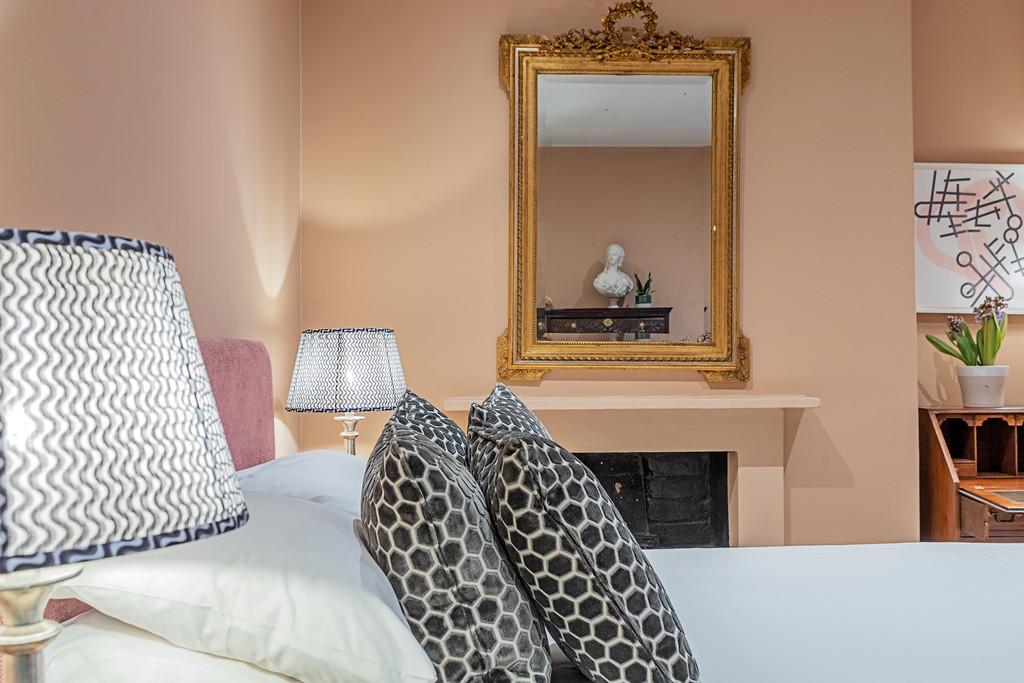
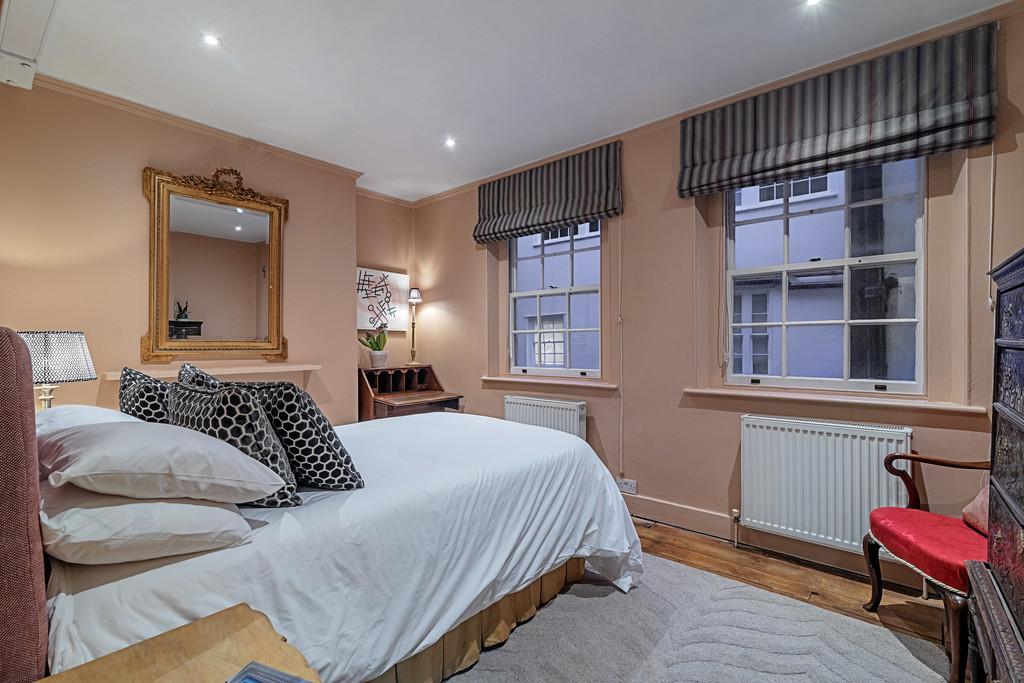
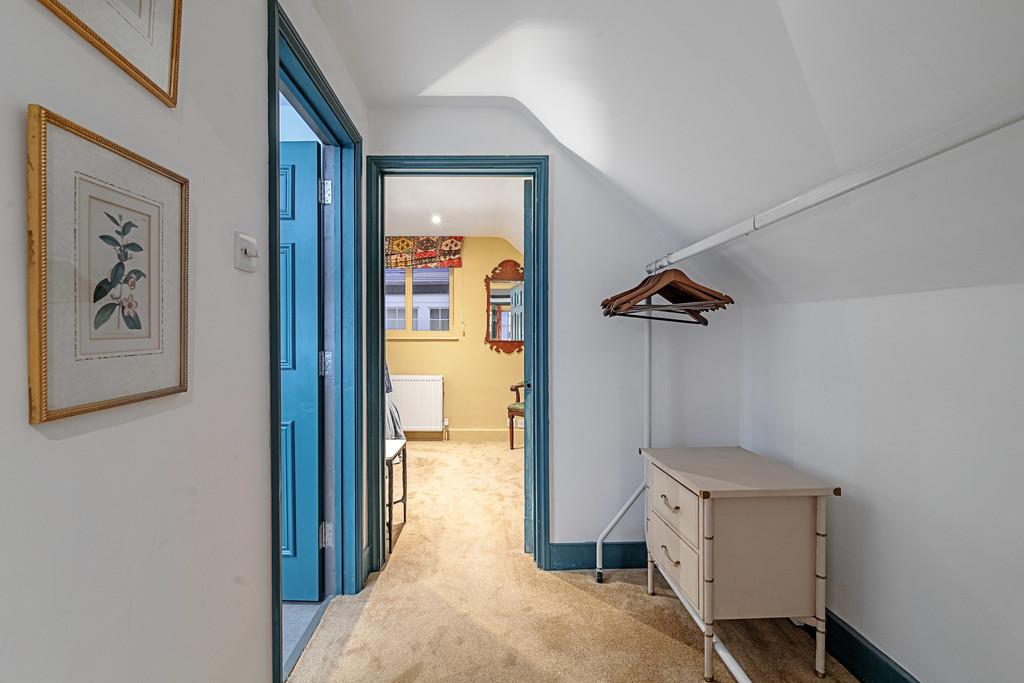
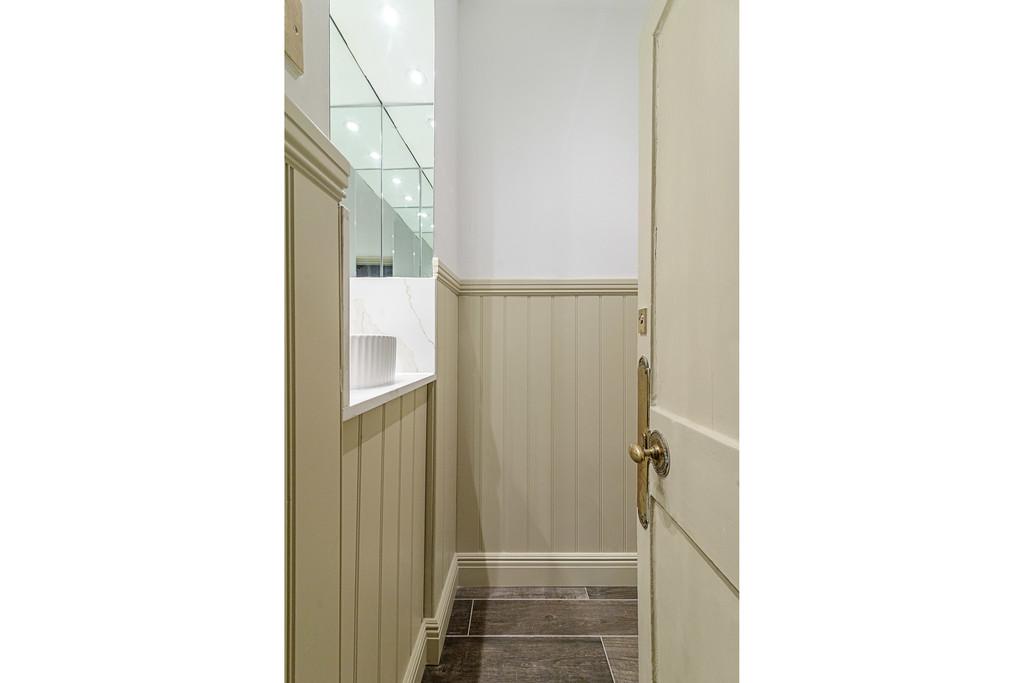
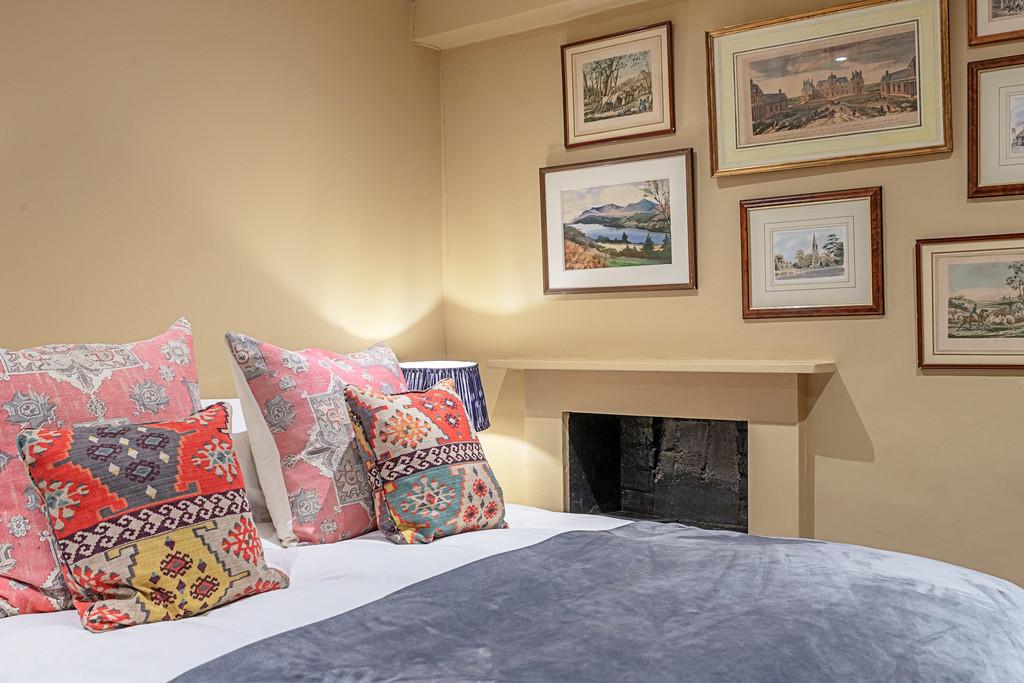
The interiors are a mix of historic and modern, light and shade. Darker joinery contrasts with pale stone in the kitchen, giving a classic contemporary feel. A mix of bold colours, both traditional and modern, are layered throughout, giving each floor its own distinct identity, augmented with the current owner's extensive collection of art and artifacts, combined with classical furnishings, all creating a sense that the house is being used as a home, not simply preserved.
And perhaps that's the real appeal: the rarity of a home containing nearly three and a half centuries of history, located in the very centre of one of the world's truly global cities, close to everything that supports a modern way of living, yet quietly tucked away in a peaceful enclave adjacent to the Thames and with one of the capital's most appealing riverside gardens in the doorstep.
Today, and after it's most recent transformation, Bowman House feels entirely at ease with modern life, offering extensive and flexible accommodation across five floors, yet with the potential to further enhance the home through reconfiguration or alternative arrangement of spaces.
The History
Bowman House was part of a late-seventeenth century wave of building on land that once belonged to York House, a grand riverside residence whose gardens stretched out behind the Strand. The early developer is named in historic papers as Matthew (Matthias) Bowman, thought to have built this smart new townhouse speculatively on a newly laid street, at the time known as Duke Street - hoping London would do what London always does: expand to meet it.
Almost a century later in the late 1760s, prominent London architects the Adam brothers (John, Robert, James and William) set out to transform this disjointed riverside area associated with Durham Yard/Durham House, into a unified, high-status development of terraces, streets and set-piece architecture.
The scheme was named "Adelphi"- Greek for "brothers"- and the surrounding streets (including John Adam Street) were named to reflect the family's role in the project. The coordinated group of neo-classical houses and institutional buildings of the Adelphi development were designed to feel like a single architectural statement, rather than a typical piecemeal London street, yet Bowman House survived intact with the even grander terraces of newly developed houses sprung up around it.
Particularly notable for its engineering as much as its style, the Adelphi development was famously raised-up on a substantial series of vaulted substructures, creating dramatic under-crofts and service spaces below the elegant streets above. For 18th-century London, it was a bold, almost "infrastructure-first" approach to urban construction.
John Adam Street is also home to an architectural heavyweight in RSA House (No. 8), designed by Robert Adam and built 1772–74 as the headquarters for the Society for the Encouragement of Arts, Manufactures and Commerce - now the Royal Society of Arts. Noted as one of Adam's architectural masterpieces, this awe-inspiring building is now Grade I listed, reflecting its exceptional historic significance.
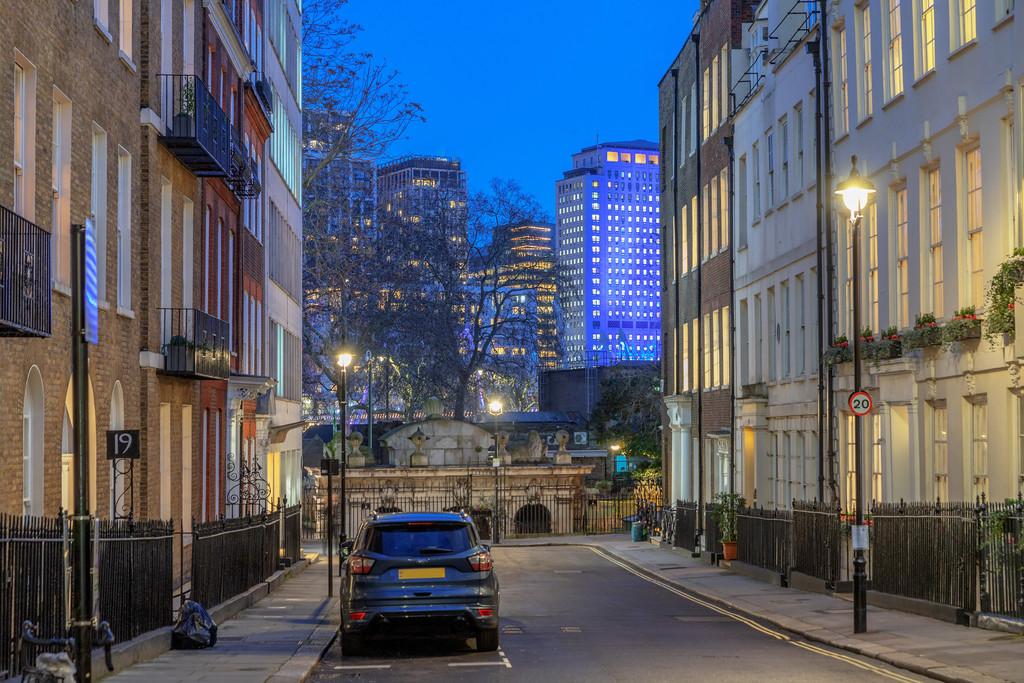
John Adam Street tells a very "London" story of constant reinvention. In the 19th century, the construction of the Victoria Embankment (1860s–70s) changed the relationship between the Adelphi and the Thames, creating the 'modern' riverfront we know today, as well as the wonderful Victoria Embankment Gardens. Subsequently, the 1930s saw much of the original Adelphi demolished and replaced with the monumental New Adelphi building - meaning Georgian ambition and 20th-century commercial London literally sit on top of one another in this historic corner of the capital.
John Adam Street represents a concentrated snapshot of how central London has been engineered, designed, and re-built-again and again-for over 300 years.
Over the centuries, Bowman House has done what many old London buildings do: adapted. Repairs are documented as far back as 1760, and by the early to mid-19th century it had been given a more Regency-style "tidy-up" - the kind of modernisation that swapped earlier ornate decoration for cleaner lines and a simpler frontage.
Further changes are documented during the 20th century, including repairs to, and an eventual rebuild of, the rear in 1948 following wartime damage, with further alterations documented later on.
Yet despite constant tweaks and tinkering over the past 300 years, Bowman House has never lost sense of itself.
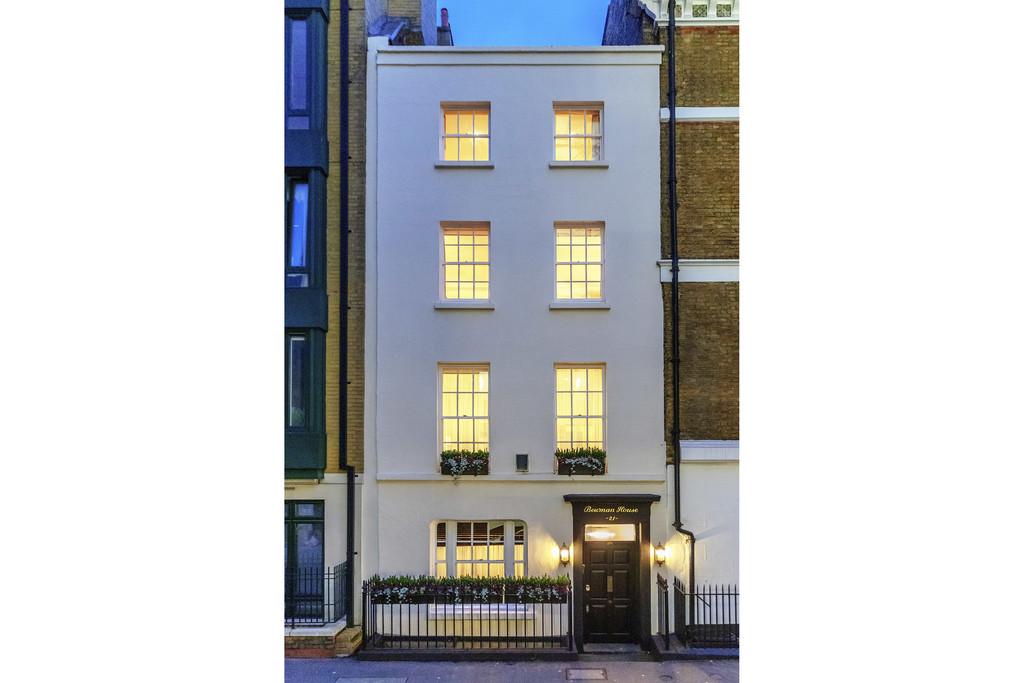
The overall form remains unmistakably London townhouse: four storeys plus a basement, two rooms deep, with a central staircase running from top to bottom around which the spaces are organised.
What makes Bowman House particularly special is that its history isn't just something you read about - it's something you move through. Carefully recorded by The Survey of London in the 1930s, this and subsequent reports note the rarity of finding so much original fabric surviving in a townhouse of this age.
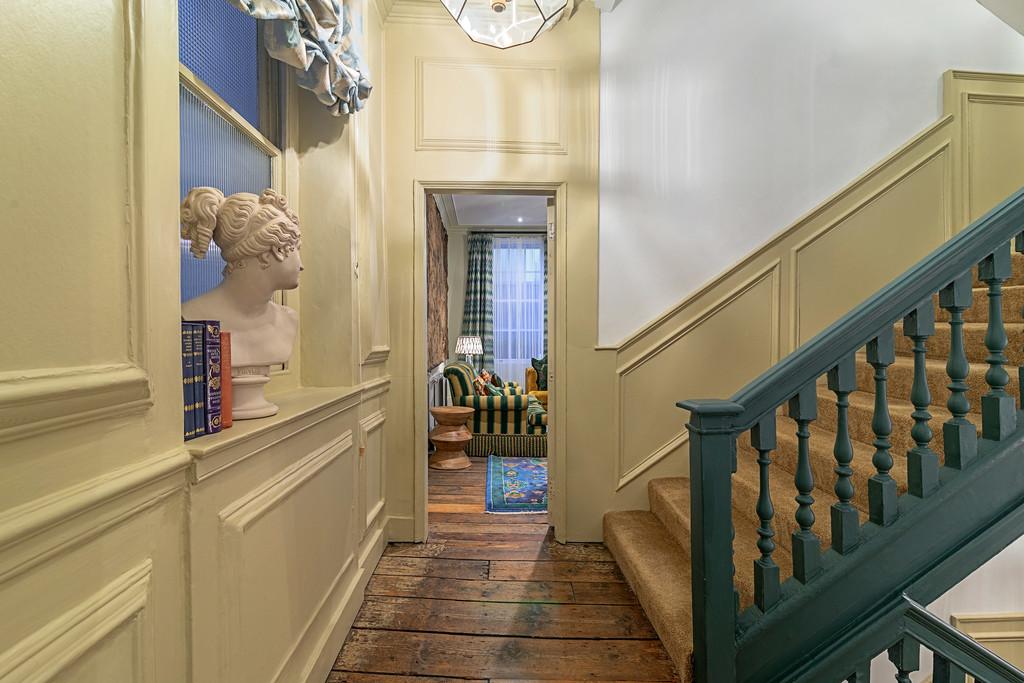
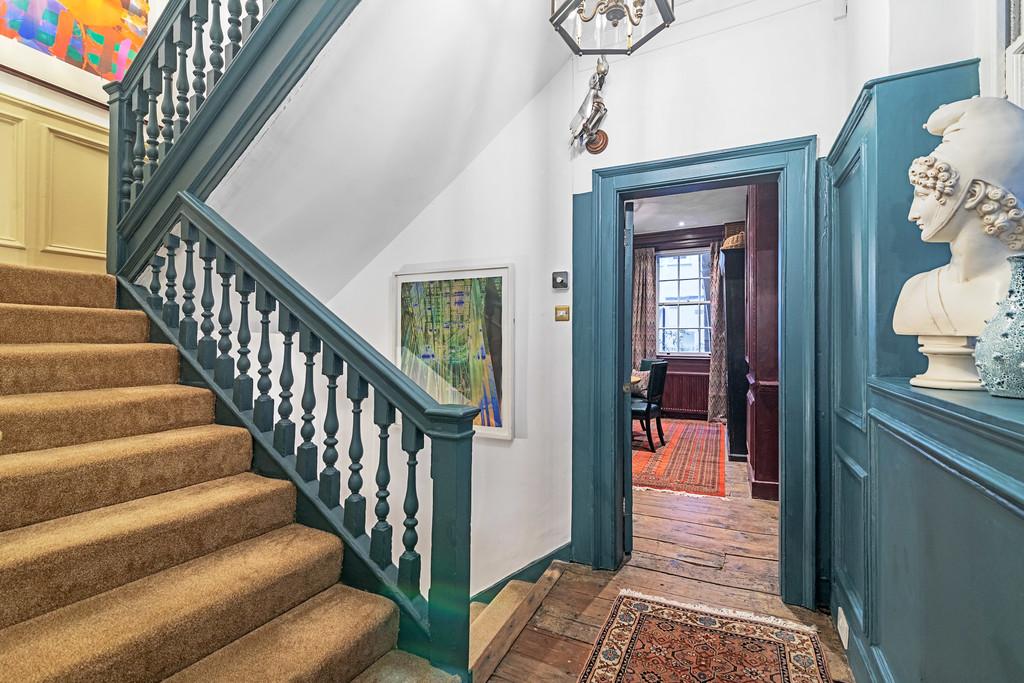
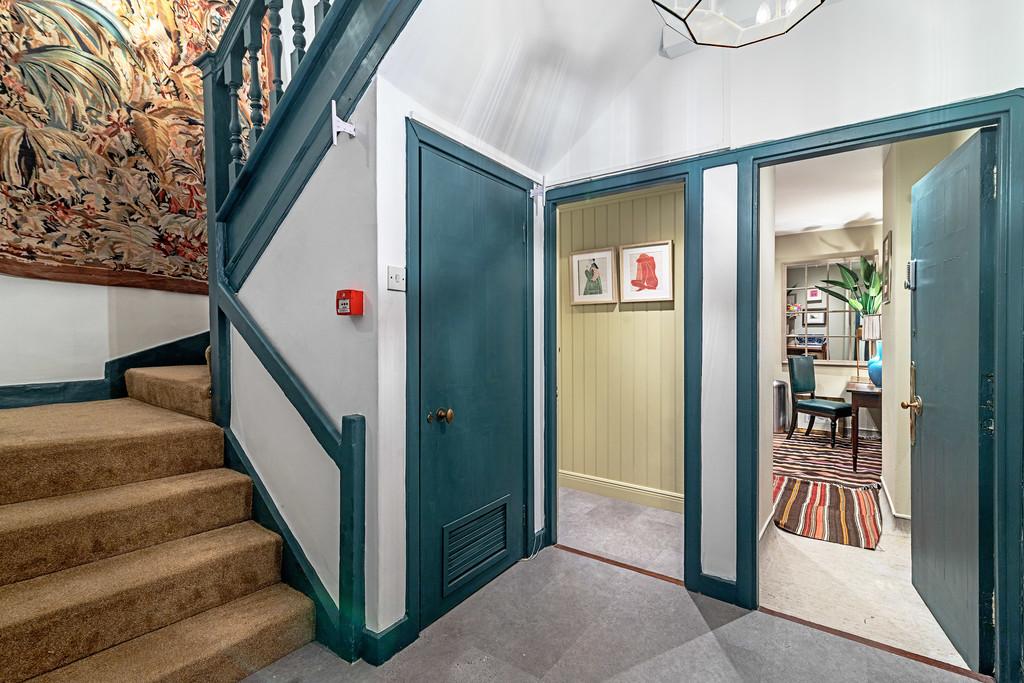
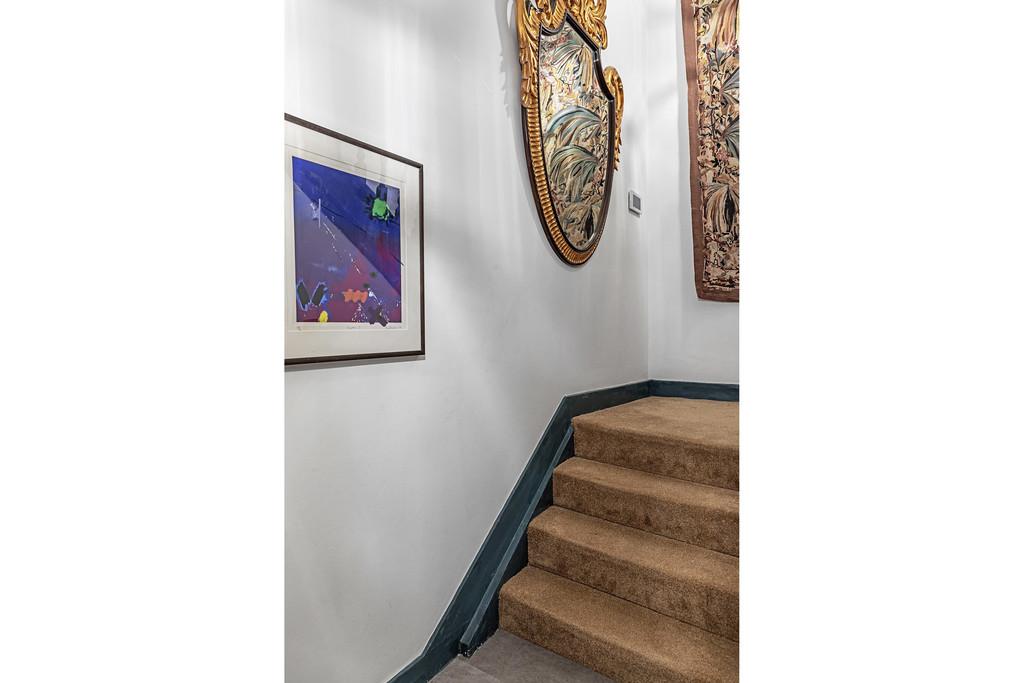
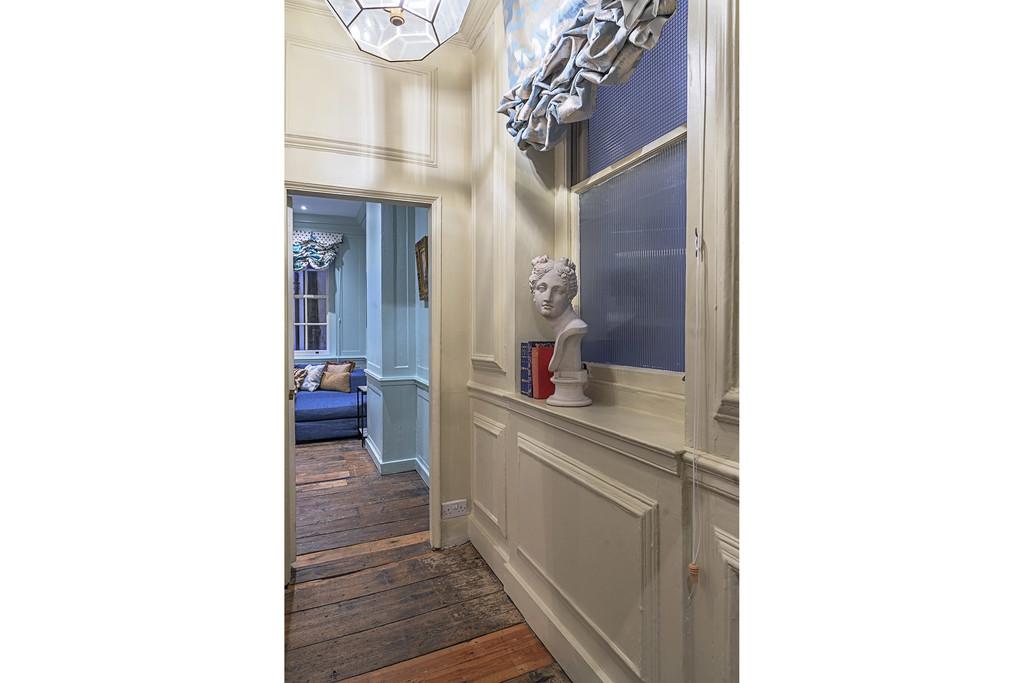
The spine of the home is the dog-leg staircase with turned balusters, with further historic details including the arched opening in the entrance corridor and the surviving wood panelling through the stair and key rear rooms at ground and first-floor level. These elements may not demand your immediate attention, but they help to create a genuinely authentic feel within this grand old house.
Like the best old addresses, Bowman House comes with a human footnote. A former resident was the antiquary Humfrey Wanley, who took possession around 1704, at the moment he became librarian to Sir Robert Harley who lived nearby - an era when this pocket of London wasn't just about the power of government, but scholarship too.
The Neighbourhood
Strand is the southern boundary of Covent Garden running parallel to the River Thames and linking the cities of London & Westminster. A neighbourhood that offers everything from river views and world class theatres, to green open space and village vibes. The link between Westminster and the City of London, modern Strand has shaken off it's reputation as a traffic congested artery to be avoided, now boasting a Soho House at 180 Strand, a number of luxury residential developments and a wonderful new public space at the eastern end where it meets Aldwych around St. Mary's Church opposite Kings College London.
Covent Garden is globally recognised as London's premier cultural, retail, leisure & entertainment destination. The Royal Opera House dominates the piazza with world renowned residents the Royal Ballet & Royal Opera, plus many of the world's most popular stage shows can be found at the numerous theatres within a few minutes walk.
This is an exceptionally well-connected part of London, with mainline rail services from Charing Cross to the southeast, as well as District, Circle, Bakerloo and Northern Line tube service from Embankment station and riverboat services to both West London and the City & Canary Wharf from nearby Embankment Pier.
Planning consent was granted in 2022 by The City Of Westminster to convert it back to a single family dwelling, with the conversion recently completed and this genuine piece of history being returned to its former glory.
The exterior front elevation of Bowman House has been painstakingly refurbished, bringing it back to its former glory, with beautiful original period details and wonderful hand painted script on and around the front door.
The interiors are a mix of historic and modern, light and shade. Darker joinery contrasts with pale stone in the kitchen, giving a classic contemporary feel. A mix of bold colours, both traditional and modern, are layered throughout, giving each floor its own distinct identity, augmented with the current owner's extensive collection of art and artifacts, combined with classical furnishings, all creating a sense that the house is being used as a home, not simply preserved.
And perhaps that's the real appeal: the rarity of a home containing nearly three and a half centuries of history, located in the very centre of one of the world's truly global cities, close to everything that supports a modern way of living, yet quietly tucked away in a peaceful enclave adjacent to the Thames and with one of the capital's most appealing riverside gardens in the doorstep.
Today, and after it's most recent transformation, Bowman House feels entirely at ease with modern life, offering extensive and flexible accommodation across five floors, yet with the potential to further enhance the home through reconfiguration or alternative arrangement of spaces.
The History
Bowman House was part of a late-seventeenth century wave of building on land that once belonged to York House, a grand riverside residence whose gardens stretched out behind the Strand. The early developer is named in historic papers as Matthew (Matthias) Bowman, thought to have built this smart new townhouse speculatively on a newly laid street, at the time known as Duke Street - hoping London would do what London always does: expand to meet it.
Almost a century later in the late 1760s, prominent London architects the Adam brothers (John, Robert, James and William) set out to transform this disjointed riverside area associated with Durham Yard/Durham House, into a unified, high-status development of terraces, streets and set-piece architecture.
The scheme was named "Adelphi"- Greek for "brothers"- and the surrounding streets (including John Adam Street) were named to reflect the family's role in the project. The coordinated group of neo-classical houses and institutional buildings of the Adelphi development were designed to feel like a single architectural statement, rather than a typical piecemeal London street, yet Bowman House survived intact with the even grander terraces of newly developed houses sprung up around it.
Particularly notable for its engineering as much as its style, the Adelphi development was famously raised-up on a substantial series of vaulted substructures, creating dramatic under-crofts and service spaces below the elegant streets above. For 18th-century London, it was a bold, almost "infrastructure-first" approach to urban construction.
John Adam Street is also home to an architectural heavyweight in RSA House (No. 8), designed by Robert Adam and built 1772–74 as the headquarters for the Society for the Encouragement of Arts, Manufactures and Commerce - now the Royal Society of Arts. Noted as one of Adam's architectural masterpieces, this awe-inspiring building is now Grade I listed, reflecting its exceptional historic significance.
John Adam Street tells a very "London" story of constant reinvention. In the 19th century, the construction of the Victoria Embankment (1860s–70s) changed the relationship between the Adelphi and the Thames, creating the 'modern' riverfront we know today, as well as the wonderful Victoria Embankment Gardens. Subsequently, the 1930s saw much of the original Adelphi demolished and replaced with the monumental New Adelphi building - meaning Georgian ambition and 20th-century commercial London literally sit on top of one another in this historic corner of the capital.
John Adam Street represents a concentrated snapshot of how central London has been engineered, designed, and re-built-again and again-for over 300 years.
Over the centuries, Bowman House has done what many old London buildings do: adapted. Repairs are documented as far back as 1760, and by the early to mid-19th century it had been given a more Regency-style "tidy-up" - the kind of modernisation that swapped earlier ornate decoration for cleaner lines and a simpler frontage.
Further changes are documented during the 20th century, including repairs to, and an eventual rebuild of, the rear in 1948 following wartime damage, with further alterations documented later on.
Yet despite constant tweaks and tinkering over the past 300 years, Bowman House has never lost sense of itself.
The overall form remains unmistakably London townhouse: four storeys plus a basement, two rooms deep, with a central staircase running from top to bottom around which the spaces are organised.
What makes Bowman House particularly special is that its history isn't just something you read about - it's something you move through. Carefully recorded by The Survey of London in the 1930s, this and subsequent reports note the rarity of finding so much original fabric surviving in a townhouse of this age.
The spine of the home is the dog-leg staircase with turned balusters, with further historic details including the arched opening in the entrance corridor and the surviving wood panelling through the stair and key rear rooms at ground and first-floor level. These elements may not demand your immediate attention, but they help to create a genuinely authentic feel within this grand old house.
Like the best old addresses, Bowman House comes with a human footnote. A former resident was the antiquary Humfrey Wanley, who took possession around 1704, at the moment he became librarian to Sir Robert Harley who lived nearby - an era when this pocket of London wasn't just about the power of government, but scholarship too.
The Neighbourhood
Strand is the southern boundary of Covent Garden running parallel to the River Thames and linking the cities of London & Westminster. A neighbourhood that offers everything from river views and world class theatres, to green open space and village vibes. The link between Westminster and the City of London, modern Strand has shaken off it's reputation as a traffic congested artery to be avoided, now boasting a Soho House at 180 Strand, a number of luxury residential developments and a wonderful new public space at the eastern end where it meets Aldwych around St. Mary's Church opposite Kings College London.
Covent Garden is globally recognised as London's premier cultural, retail, leisure & entertainment destination. The Royal Opera House dominates the piazza with world renowned residents the Royal Ballet & Royal Opera, plus many of the world's most popular stage shows can be found at the numerous theatres within a few minutes walk.
This is an exceptionally well-connected part of London, with mainline rail services from Charing Cross to the southeast, as well as District, Circle, Bakerloo and Northern Line tube service from Embankment station and riverboat services to both West London and the City & Canary Wharf from nearby Embankment Pier.
Property information from this agent
Area statistics
Crime score
High crime
10/10
About this agent

Our Mission London is a collection of inspiring urban villages and one of the most exciting places in the world to live, work & play. We work with both property owners and their occupiers, sharing the story of these vibrant neighbourhoods, conveying the unique soul & energy to future custodians, the people who’ll keep them buzzing. And unlike many real estate businesses we’re not just about buildings, because streets & buildings don’t make a neighbourhood. We’re about building relationships, because people make places. What can we do for you? We get a buzz from the faith people put in us. We ask questions that unlock what really matters, providing answers and delivering solutions to challenges based on real-life experience and peerless local market knowledge, all delivered in a straight-talking, consultative but above all, friendly way. Care and passion are at the heart of what we do, allowing us to work harder to build strong connections with the like minded people who chose to work with us. We follow the codes of practice and are accredited members of NAEA & ARLA PropertyMark and The Property Ombudsman.