No longer on the market
This property is no longer on the market


 Floorplan
 Map
MapTownhouse
Sold STC
Townhouse
Key information
Features and description
- Sealed bids invited
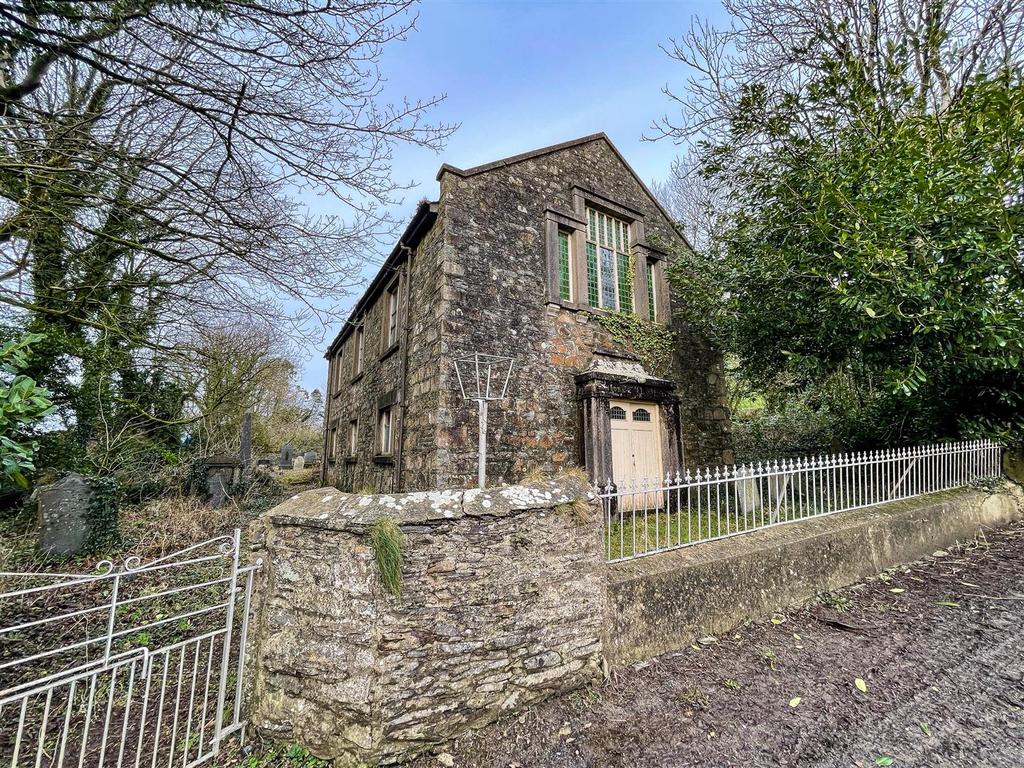
- 19th Century Baptist Chapel
- Approximately 1 acre of grounds
- Period features
- Potential for conversion
- Rural location
Video tours
SEALED BID OFFERS INVITED.
To be returned to the Haverfordwest Office of R K Lucas & Son by 12:00 noon on Thursday 1st April 2021.
Beulah Chapel is situated in a particularly appealing but rather isolated positon within mid-Pembrokeshire, approximately half a mile south of the rural hamlet of Little Newcastle. The larger village of Letterson is some 3 miles west, whilst the port town of Fishguard is approximately 7 miles to the north-west.
The property was originally built in 1808, rebuilt in 1874, and again in 1887, before finally being restored to its current state in 1910. The site extends to almost an acre and slopes from north to south and from east to west.
Entrance Foyer - 3.4 x 2.1 (11'1" x 6'10") - Wide entrance door, clay tiled floor and two accesses to the...
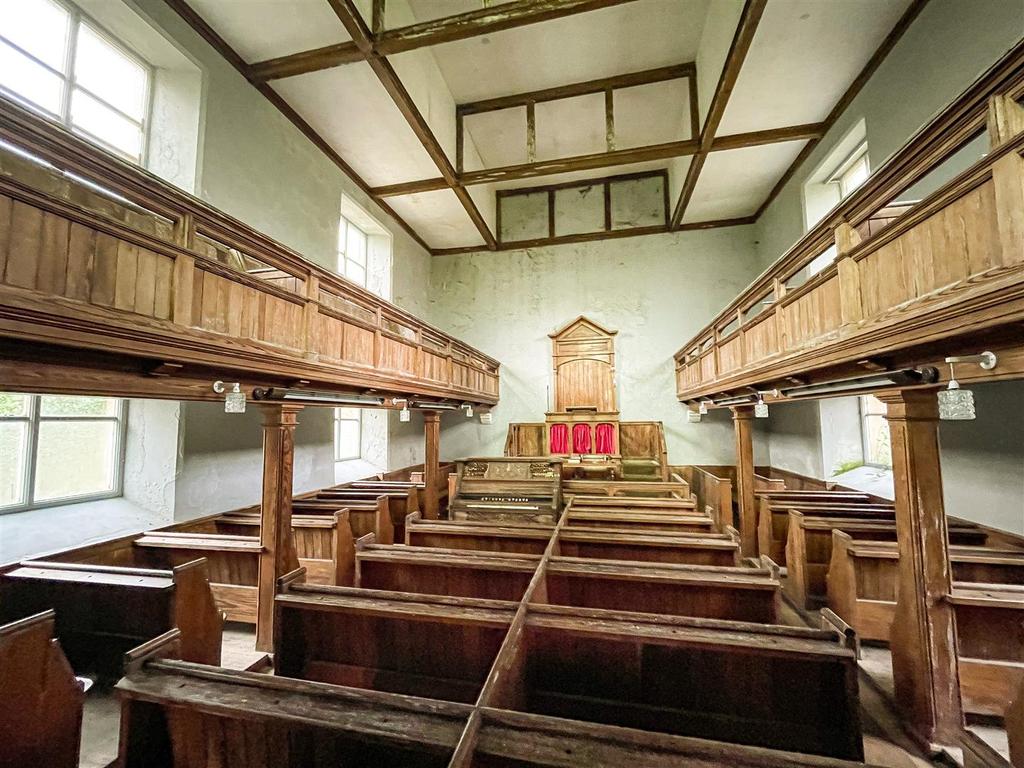
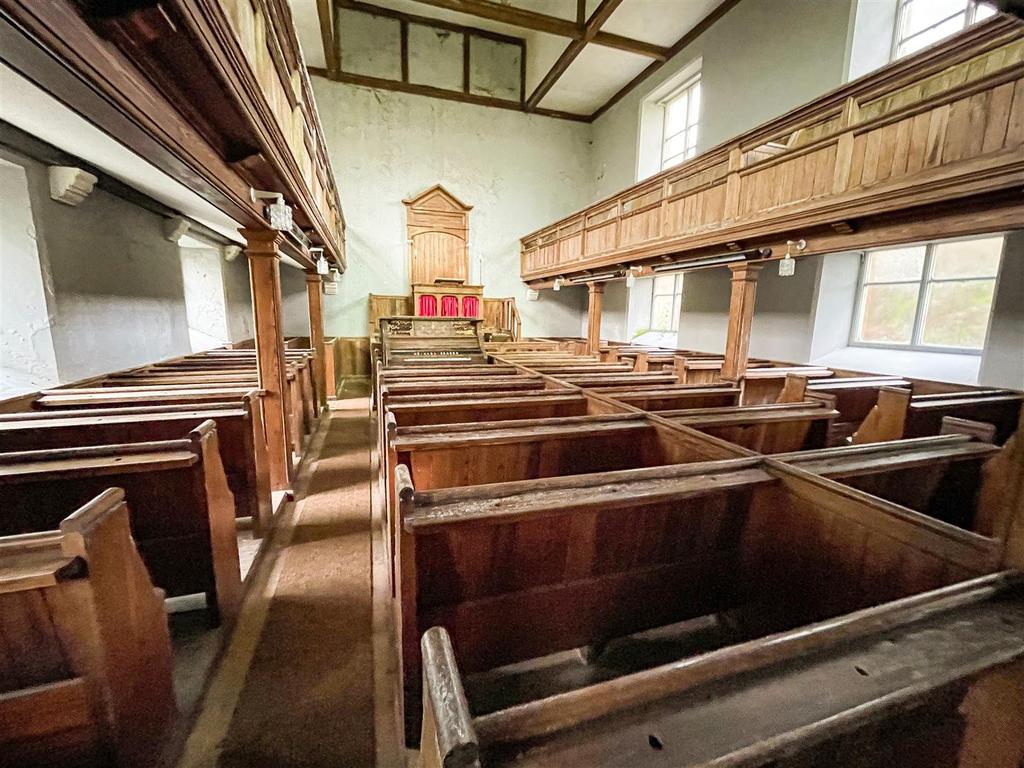
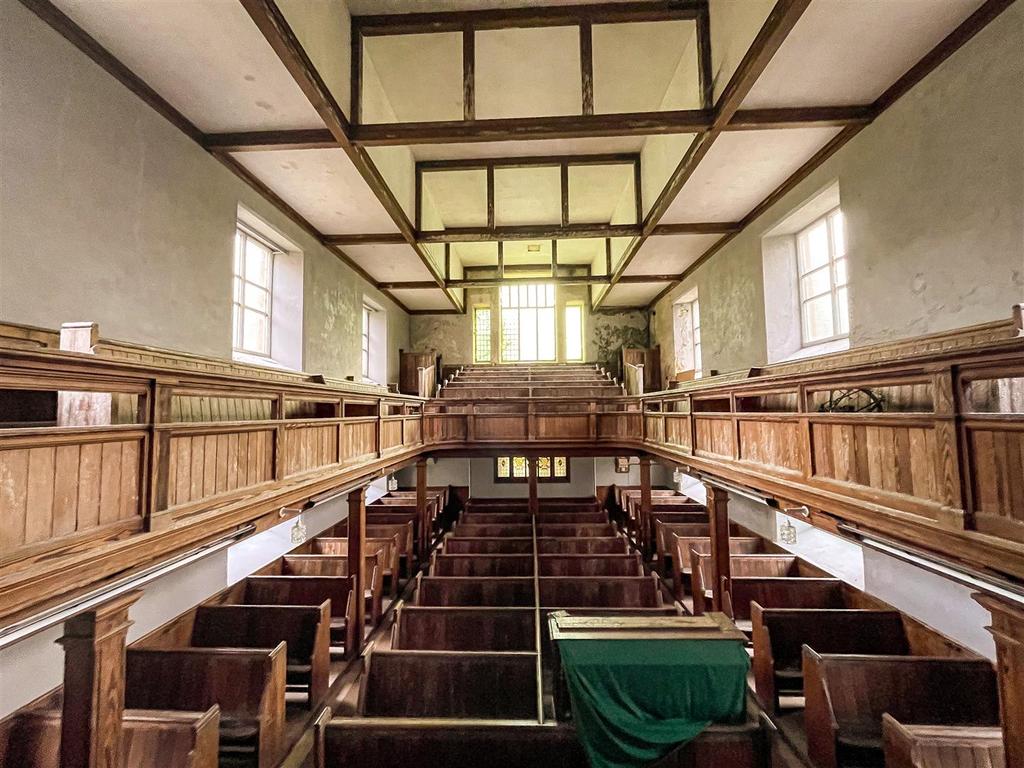
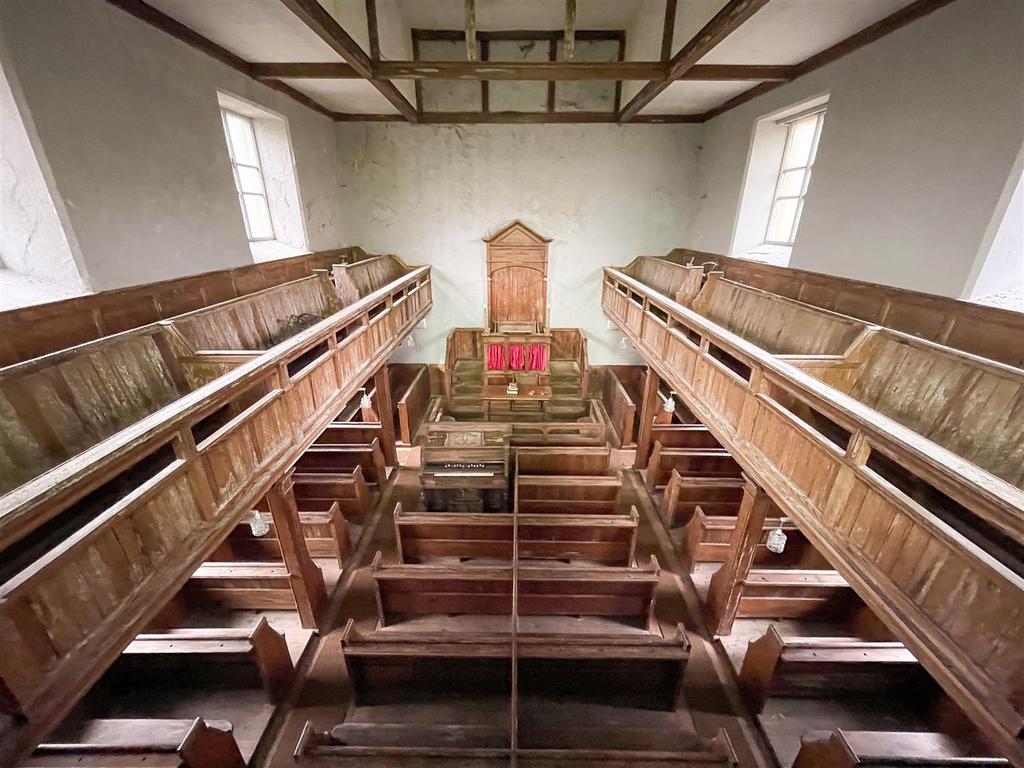
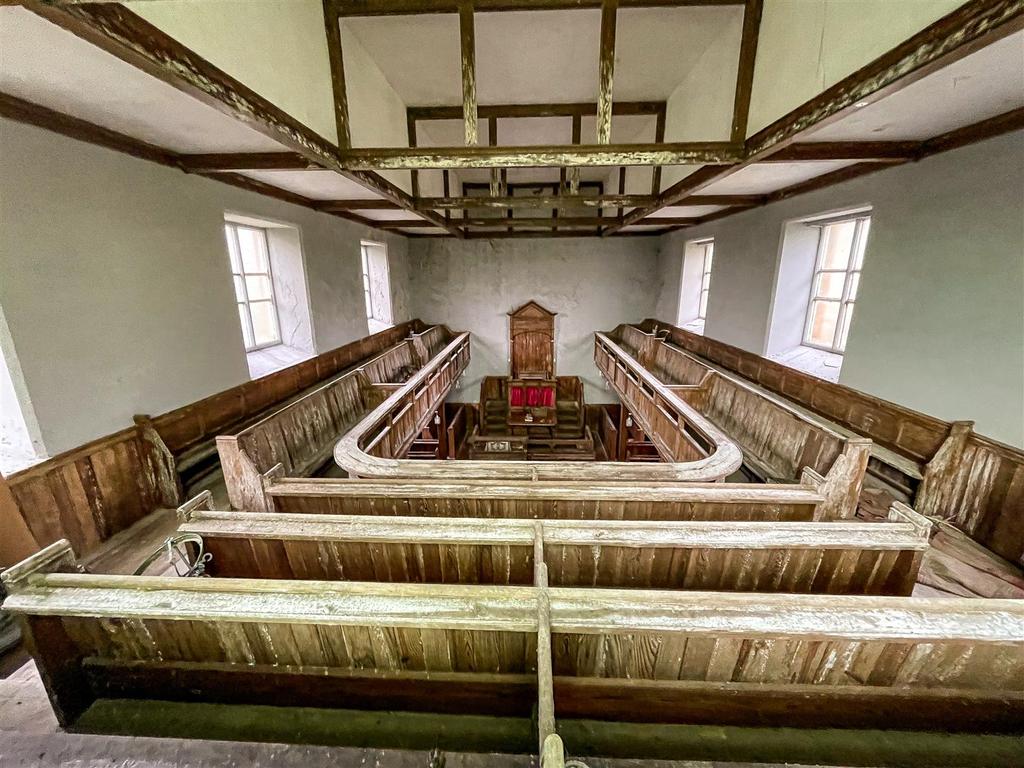
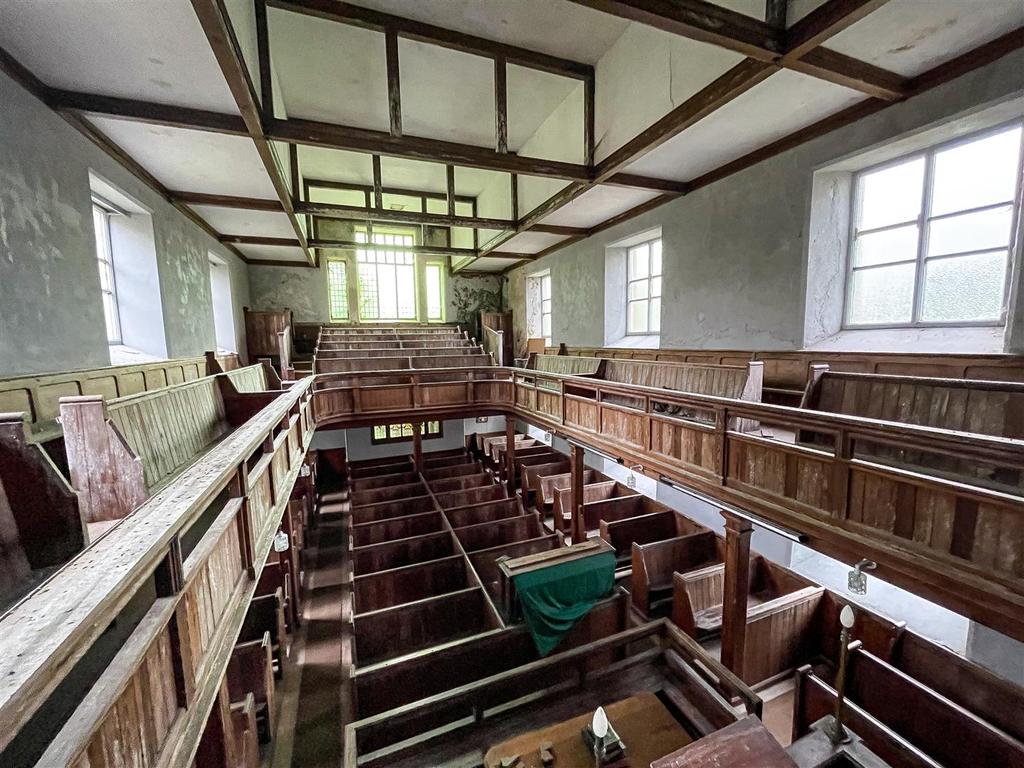
Main Church - 12.5 x 7.4 (41'0" x 24'3") - With a central pulpit, extensive pews and balcony over. A noteable feature is the chapels ceiling, designed in such a way as to help the acoustics when the congregation were singing.
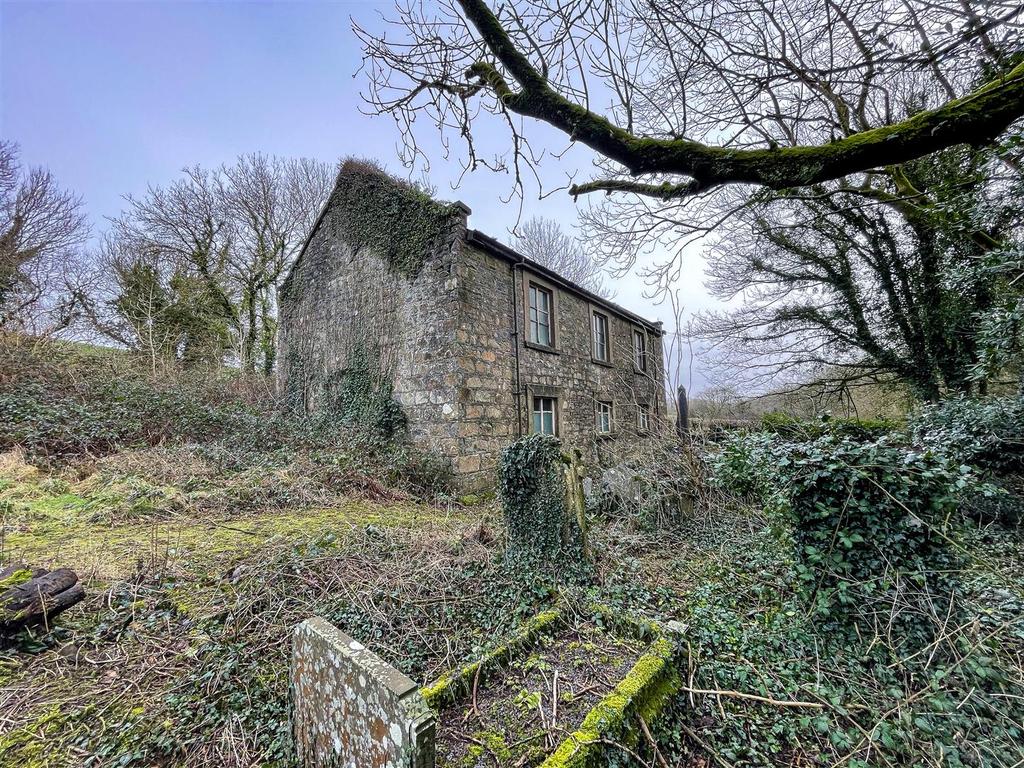
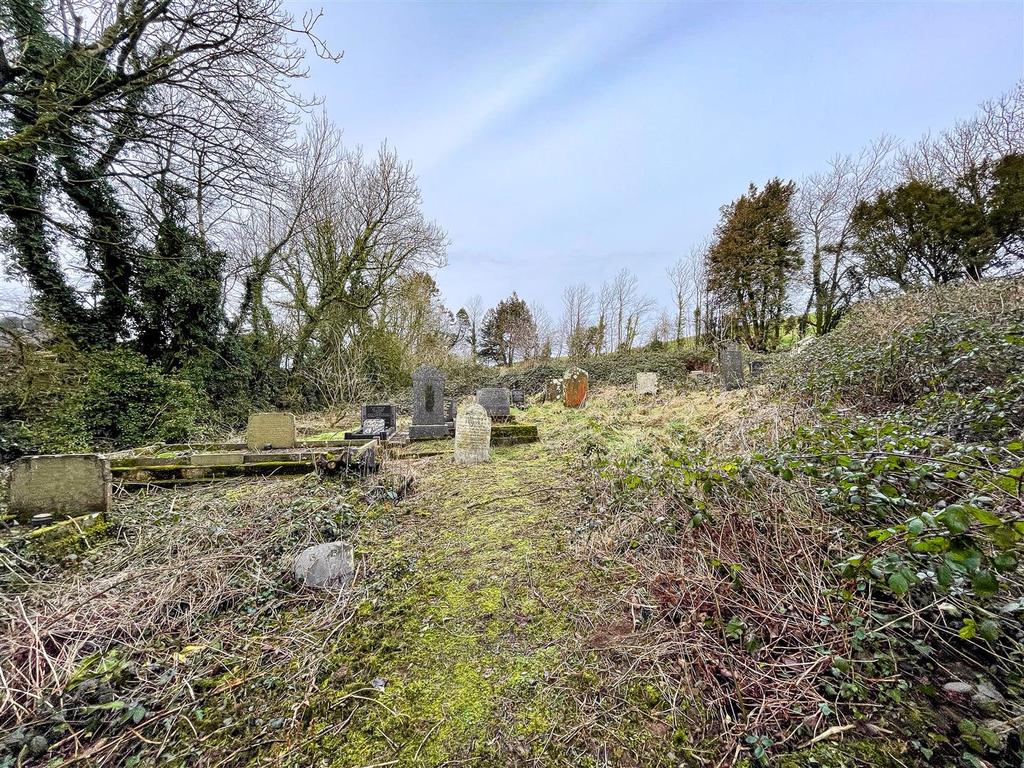
Outside - The site is irregularly shaped and incorporates a variety of historic headstones, as well as a totally derelict cottage. There is a pedestrian access from the road with a double entrance gate.
Services - We believe that mains electricity is connected, although prospective purchasers should make their own enquiries. There does not appear to be any other services serving the site.
History - There has been a house registered as a meeting place for nonconformists in Little Newcastle as early as 1697, which, if true, means that the cause in the village is one of the oldest in the County. At the beginning of the Eighteenth Century, records show that between 1701-1740, there were 43 members in that church from Little Newcastle and surrounding parishes.
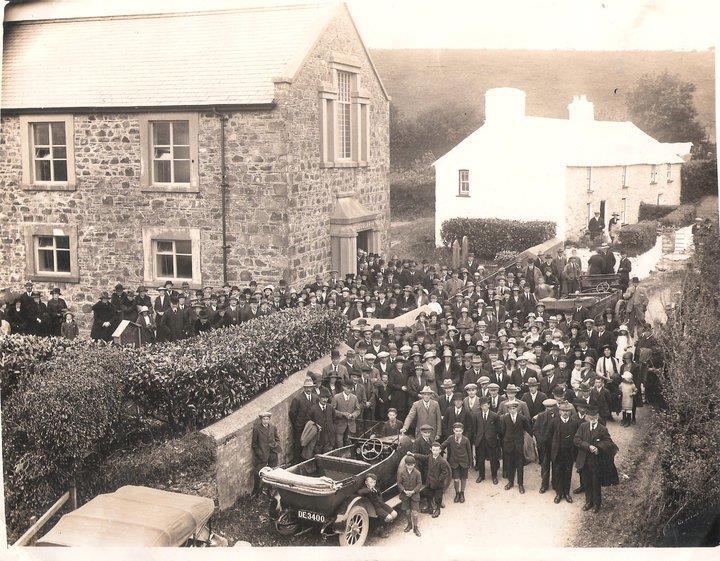
The cause received a dramatic boost in 1795 when a major local revival broke out in the area known as The Puncheston Revival. The dozens of members who made the treck to Llangloffan, began to dream of having their own chapel and eventually settled for the site now occupied by the present building. The first chapel was opened in 1808 and the first sermon was preached on the Easter Monday of that year. A decision to re-align (and re-build) Beulah gave the community the chapel which we have today. The architects were Messers J Morgan and Son of Carmarthen and the builder was Daniel Thomas, Letterston. The chapel was reopened in 1910. As the twentieth century progressed, it was, unfortunately for Beulah, a story of continuous decline: dwindling membership led to the end of the Sunday School, the Young Peoples Guild and the annual eisteddfod. This was accompanied by the sale of the manse, whilst the demolition of Beulah Cottage, the stables and the vestry heralded the demise of the chapel itself. The closure of the chapel in 2019 brings to an end a distinguished chapter in the religious, cultural and intellectual life of Little Newcastle.
Additonal Information - Japanese knotweed has been noted as present on the adjoining railway line. We cannot confirm whether the invasive species is present within the boundary of the site as it is completely overgrown.
There are 4 oil lamps within the chapel, but these are not included in the sale.
To be returned to the Haverfordwest Office of R K Lucas & Son by 12:00 noon on Thursday 1st April 2021.
Beulah Chapel is situated in a particularly appealing but rather isolated positon within mid-Pembrokeshire, approximately half a mile south of the rural hamlet of Little Newcastle. The larger village of Letterson is some 3 miles west, whilst the port town of Fishguard is approximately 7 miles to the north-west.
The property was originally built in 1808, rebuilt in 1874, and again in 1887, before finally being restored to its current state in 1910. The site extends to almost an acre and slopes from north to south and from east to west.
Entrance Foyer - 3.4 x 2.1 (11'1" x 6'10") - Wide entrance door, clay tiled floor and two accesses to the...
Main Church - 12.5 x 7.4 (41'0" x 24'3") - With a central pulpit, extensive pews and balcony over. A noteable feature is the chapels ceiling, designed in such a way as to help the acoustics when the congregation were singing.
Outside - The site is irregularly shaped and incorporates a variety of historic headstones, as well as a totally derelict cottage. There is a pedestrian access from the road with a double entrance gate.
Services - We believe that mains electricity is connected, although prospective purchasers should make their own enquiries. There does not appear to be any other services serving the site.
History - There has been a house registered as a meeting place for nonconformists in Little Newcastle as early as 1697, which, if true, means that the cause in the village is one of the oldest in the County. At the beginning of the Eighteenth Century, records show that between 1701-1740, there were 43 members in that church from Little Newcastle and surrounding parishes.
The cause received a dramatic boost in 1795 when a major local revival broke out in the area known as The Puncheston Revival. The dozens of members who made the treck to Llangloffan, began to dream of having their own chapel and eventually settled for the site now occupied by the present building. The first chapel was opened in 1808 and the first sermon was preached on the Easter Monday of that year. A decision to re-align (and re-build) Beulah gave the community the chapel which we have today. The architects were Messers J Morgan and Son of Carmarthen and the builder was Daniel Thomas, Letterston. The chapel was reopened in 1910. As the twentieth century progressed, it was, unfortunately for Beulah, a story of continuous decline: dwindling membership led to the end of the Sunday School, the Young Peoples Guild and the annual eisteddfod. This was accompanied by the sale of the manse, whilst the demolition of Beulah Cottage, the stables and the vestry heralded the demise of the chapel itself. The closure of the chapel in 2019 brings to an end a distinguished chapter in the religious, cultural and intellectual life of Little Newcastle.
Additonal Information - Japanese knotweed has been noted as present on the adjoining railway line. We cannot confirm whether the invasive species is present within the boundary of the site as it is completely overgrown.
There are 4 oil lamps within the chapel, but these are not included in the sale.
Property information from this agent
About this agent

R K Lucas & Son is amongst the oldest established Firms of Surveyors, Valuers, Auctioneers and Estate Agents in Wales, having been traced back to 1789 and yet with roots lying even earlier in the 15th and 16th Centuries. Indeed the Firm has provided the National Library of Wales with a treasure trove of social history catalogued in the “Lucas Manuscripts” which are stored at the Library’s headquarters in Aberystwyth and also at the County Records Office in Haverfordwest. R K Lucas & Son is a professional family business serving the whole of Pembrokeshire with its urban centres and picturesque coastal and rural environments. The Firm has a wealth of experience in all types of property valuation and estate agency techniques, having fully qualified and approachable, professional staff providing valuable information and advice. The estate agency section of R K Lucas & Son deals with the full property spectrum from the smallest terraced home and coastal cottage, right up to the largest mansions in Pembrokeshire – and sometimes even a Castle! We look back to the 18th Century with nostalgia whilst looking forward to the future with excited anticipation. Whether you wish to buy property, sell property, let or rent, or simply seek some advice we remain a long tested family firm of professionals, we will be able to satisfy your requirements.